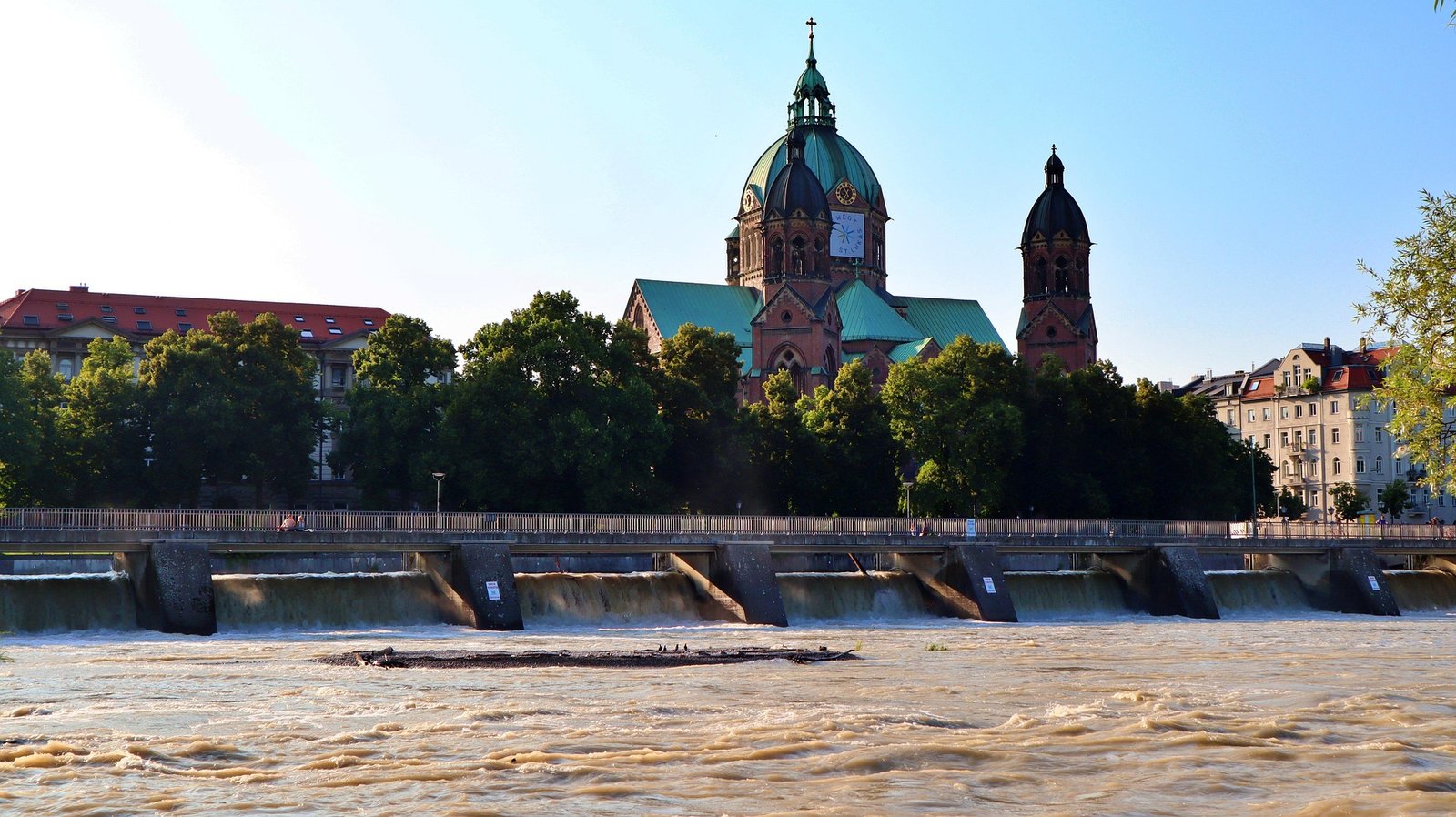

The reason for this decision was not only the powerful elements but also the dangers hidden under the murky surface of the river, which pose a direct threat to the health and life of citizens.
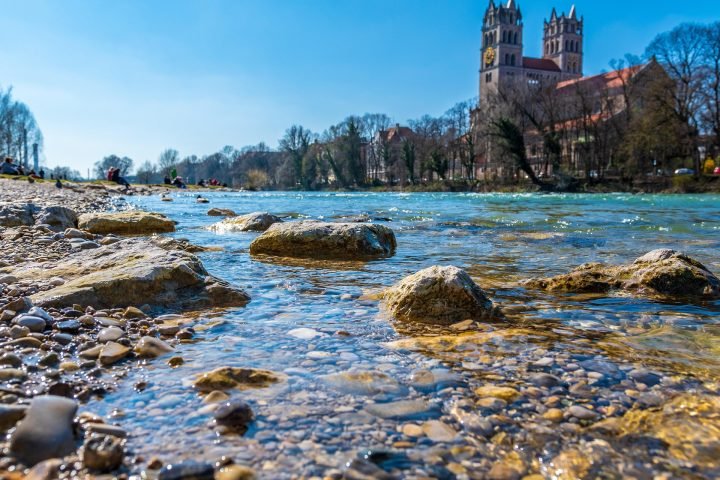
The Munich Department for Climate and Environmental Protection has established strict boundaries for the restrictions. The ban applies to the section of the river from the southern outskirts of the city, starting from the Großhesseloher Bridge, up to the northern Leinthaler Bridge. The decree of the Munich administration states that the restrictions apply without exception until Monday, March 2, inclusive. Despite the fact that the peak of the flood is behind, the river is still filled with tree debris and large driftwood, and visibility in the water is practically zero due to suspension.
Hidden traps under the water: why the Isar remains dangerous
Even with a gradual decrease in the water level, the Isar does not become safer. Murky flows hide dangerous whirlpools and powerful hydraulic rollers from the eyes of vacationers, capable of overturning even a stable watercraft. The main problem is that floating wood and heavy debris are in the water column and are not visible from the surface.
In the official appeal, it is emphasized that a significant danger to life and health exists if people decide to enter the water or use boats and other structures for moving along the river. The strong current combined with invisible obstacles turns an ordinary walk into a trap. It is expected that such a tense situation will persist at least until the beginning of next week.Source: Munich City Municipality

Latest Posts