
However, representatives of the scientific community are voicing sharp criticism of this initiative, considering it economically unjustified.
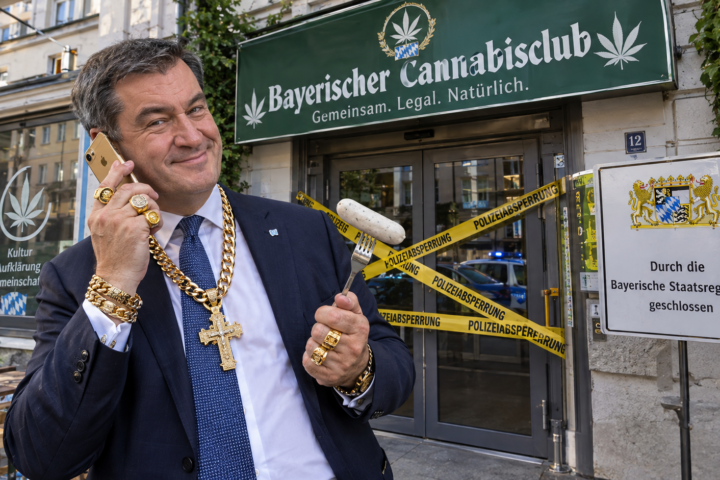
Markus Söder has been consistently lobbying for a return to peaceful nuclear energy for several months now. But unlike other supporters of this type of energy generation, Söder, for reasons unclear to anyone, is diligently and even forcefully promoting an unproven technology. His zeal could be envied by the world’s top lobbyists. Typically, such diligence is shown when a lobbyist has been promised a handsome fee for a government contract. However, we are not talking about business lobbyists, but about the Minister-President of Bavaria.
Therefore, this diligence is not only viewed with suspicion from the outside but also raises many questions for Dr. Söder himself.
In recent years, the Bavarian Minister-President has repeatedly stated that the hasty phase-out of nuclear energy was a strategic mistake for the industrial region. Now, the CSU leader has moved to active measures, lobbying for the introduction of innovative technologies. His proposal consists of creating a testing ground in Bavaria for the testing and research of a new generation of mini-nuclear plants.
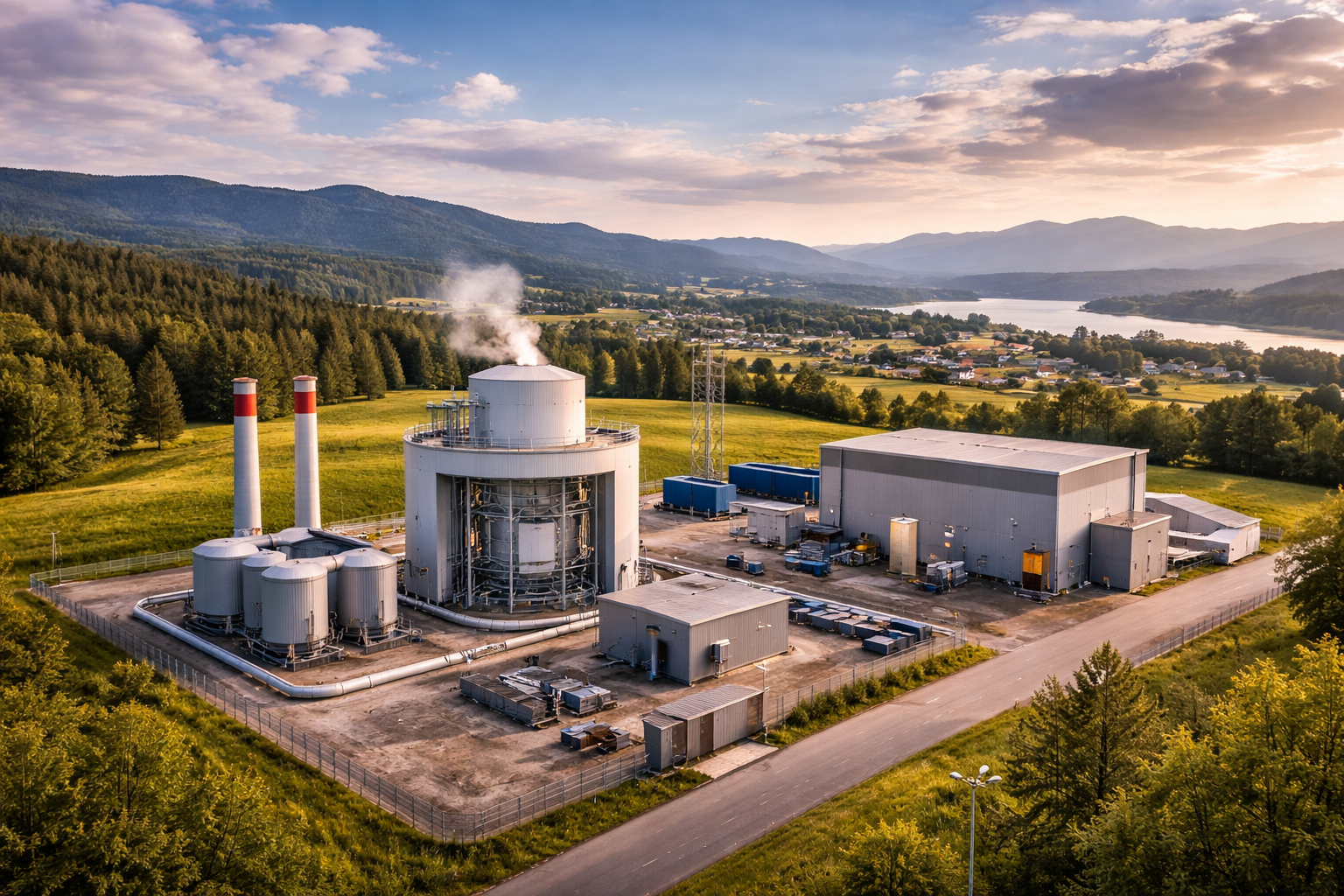
These are Small Modular Reactors, known by the international abbreviation SMR. These are compact power units assembled from ready-made factory modules. It is assumed that this approach will reduce construction times several times over compared to the erection of traditional giant stations.
Söder expects that this technology will allow for the production of inexpensive electricity locally, directly at sites of high consumption in Bavaria. As an innovative solution, the politician even suggested using recycled nuclear waste in such installations. The CSU party, in its policy documents, explicitly points to mini-nuclear plants as the only path to a radical reduction in energy prices, a position actively shared by representatives of the FDP. Nevertheless, in interviews, specialized scientists expressed deep doubt about the feasibility of building such facilities on Bavarian soil.
Solar generation wins the price duel
Felix Creutzig, a professor at the University of Sussex and a renowned climatologist, considers claims about reducing electricity prices through nuclear power to be doubtful. According to his calculations, the cost of a megawatt-hour obtained from small modular reactors is one and a half times higher than that of other modern sources. The professor emphasizes that solar energy currently costs the economy and consumers much less than any nuclear developments.
In addition to the financial issue, time remains a critical factor. Creutzig notes that even if the Bavarian government immediately launches planning and licensing processes, bureaucratic preparation will take at least four years under the most favorable scenario. The construction itself will require at least another five years. Thus, the region will have to face a minimum nine-year wait until the first current is received, which in no way solves current energy problems.
Why small modular reactors will not become a technological breakthrough
Jan Rosenow, a German professor from the University of Oxford specializing in energy and climate policy, also sees no potential for a technological leap in the project. He cites prohibitively high costs as the main obstacle. The scientist explains that the central idea of SMRs—serial production in factories to reduce the price—works exclusively with colossal order volumes.
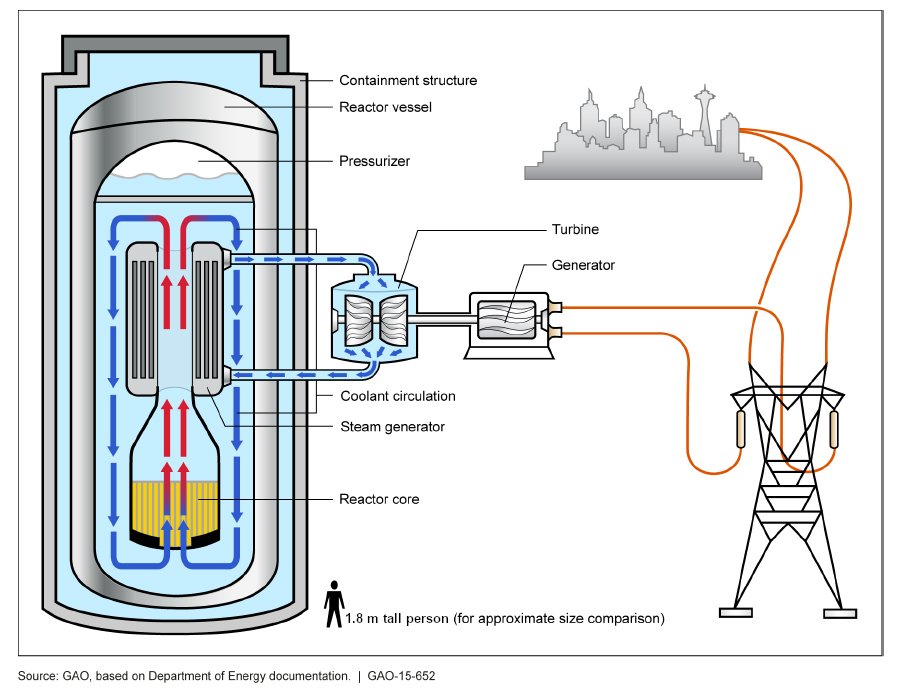
Today, too few such installations are being built worldwide. This is due to the lack of a single proven technology that would be suitable for mass replication. Rosenow emphasizes that there is still not a single small reactor successfully generating electricity in a full commercial mode.
Moreover, the proposed installations belong to a fundamentally new type of equipment that must undergo a complex multi-stage international certification procedure. In Rosenow‘s opinion, Söder‘s initiative faces an exhausting bureaucratic process, comparable in complexity to the legalization of nuclear fusion technologies. A real launch of such systems is possible no earlier than the 2030s. Felix Creutzig agrees with his colleague, summarizing that small reactors make no sense both from the perspective of time costs and market value.
Historical context: the path to closing the last reactor
Germany set a course for phasing out nuclear energy back in 2000. For a long time, a moratorium was in effect in the country, as the atom was viewed only as a transitional tool on the path to renewable sources.The situation changed abruptly in 2011 after the tragic events at the Japanese station Fukushima. At that time, the process of liquidating the nuclear industry was accelerated to the maximum—and, notably, this step was heartedly supported by Markus Söder himself. The final point in the history of German peaceful nuclear energy was set in 2023, when the last operating reactor in the country was permanently shut down after the closure of the Isar-2 station near Landshut.