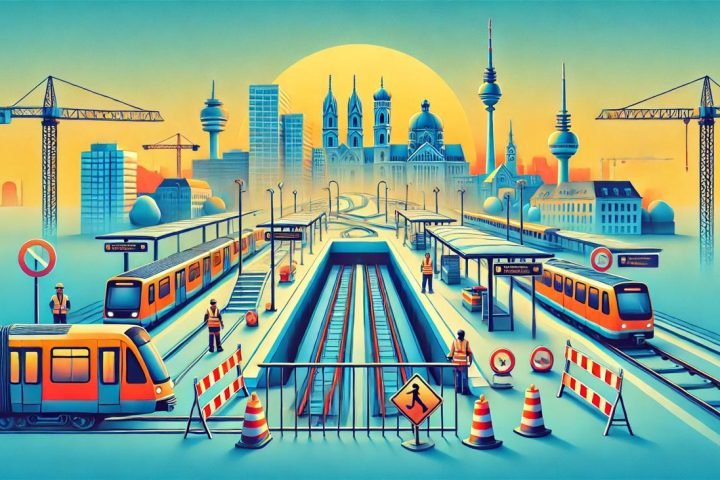

Nuremberg — Deutsche Bahn has decided to take decisive action. This project is not merely about minor changes but deep modernization. “From February 6 to July 10, 2026, the DB InfraGO division will conduct a comprehensive renewal and modernization of the section between Nuremberg and Regensburg. This will be the first of seven planned general reconstructions in Bavaria,” the company stated in a press release. The primary goal of this five-month construction phase is to make this heavily congested section “more stable and resilient in the long term.” It is expected that this will significantly reduce the number of malfunctions and subsequent delays. Passengers must prepare for major restrictions, as movement on the line will be entirely halted.
What Awaits Passengers
The DB InfraGO division has been preparing for the track work for several weeks. Experienced construction firms Spitzke and Swietelsky have been contracted following a European-wide tender. Details of the regional transport concept were developed by the Bavarian Railway Company (BEG) in cooperation with transport operators and DB InfraGO.
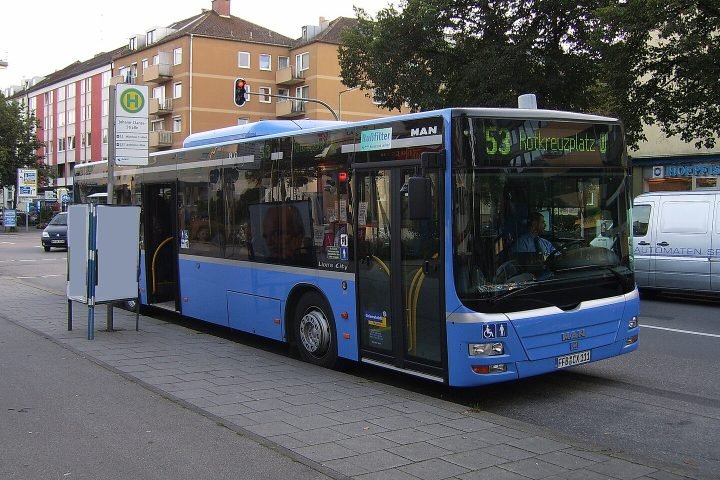
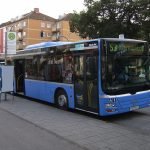
A new website has been launched to provide a clear overview of the planned reconstructions in Bavaria. During the construction period, regional train services on the section will cease entirely. To replace the trains on the Nuremberg–Regensburg line and adjacent detour routes, more than 90 buses will be deployed during peak hours. On eight different lines, these vehicles will cover more than 45,000 kilometers daily, DB explained.
Bus Lines and Express Routes
The railway company is relying on a combination of express routes, which will stop only at a few central stations, and local lines with numerous intermediate stops. The goal is to balance attractive travel times with service to all municipalities. Nevertheless, bus trips will take longer than the previous rail connections.
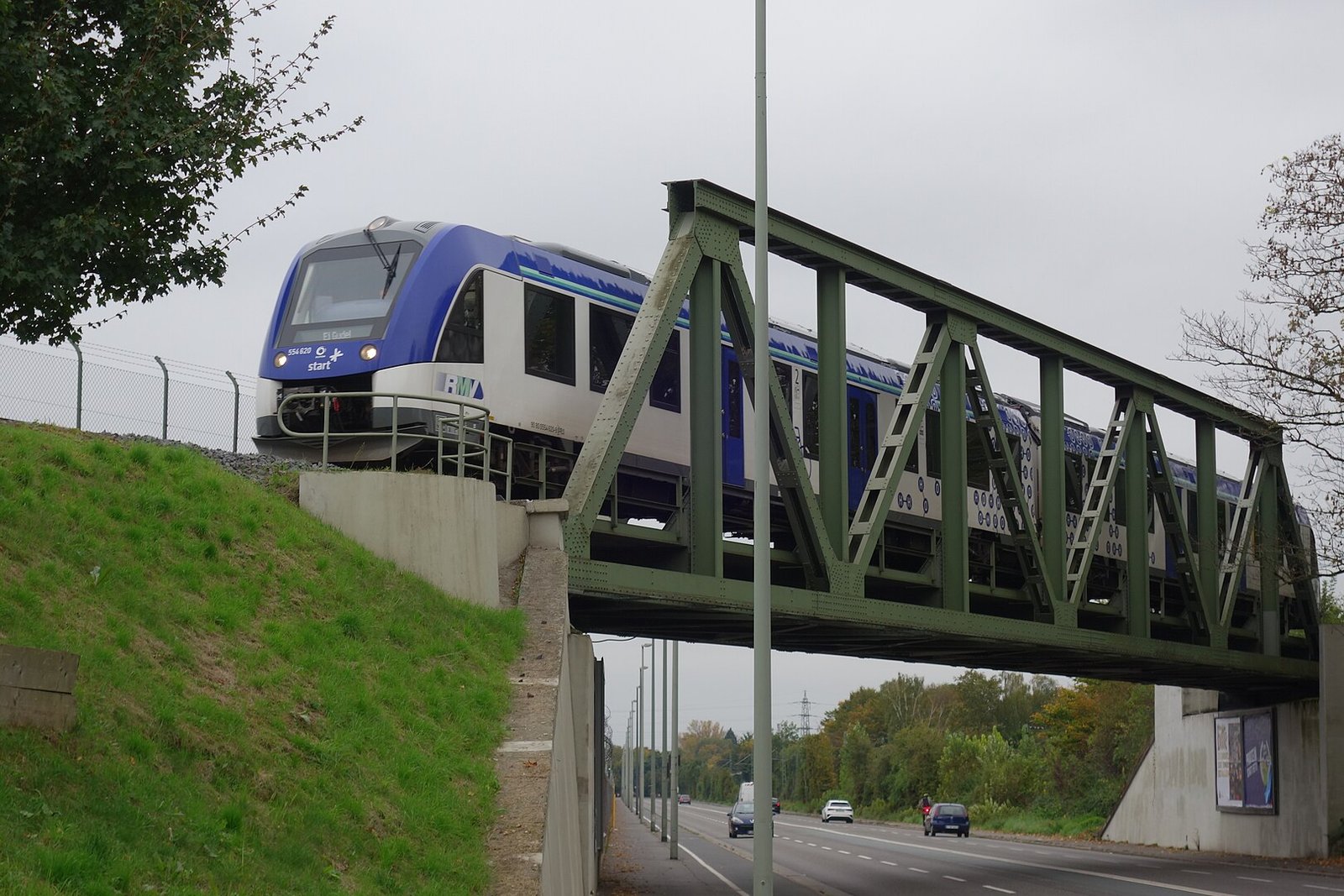
Additionally, BEG has commissioned DB Regio to increase capacity on the RE 40 line (Nuremberg – Schwandorf – Regensburg): most trains will run with two or three coupled units. Furthermore, some routes that previously terminated in Schwandorf will be extended, ensuring a continuous hourly connection between Nuremberg and Regensburg until approximately 11:00 PM.
The RB 51 (Neumarkt – Regensburg) and S3 (Nuremberg – Neumarkt) lines will be completely removed from the schedule. On lines RE 22 and RE 50, train movement on the closed section between Nuremberg and Regensburg will also be suspended. BEG has published a detailed replacement service concept and information on the impact on specific routes on its website.
Changes to Long-Distance Services
Travel times for long-distance services will also increase. Until June 13, some ICE trains that usually run at least every two hours will be diverted via Ingolstadt. This will increase the journey duration by approximately one hour. According to Deutsche Bahn, updated schedule data will be available on the website and in the DB Navigator app starting October 15.
Preparation of Detour Routes
Preparatory work for the main reconstruction began this summer. Specialists conducted geodetic surveys, prepared ecological sites, and performed soil testing. Inspections are being carried out for further detailed planning. Additionally, the company has begun upgrading several detour routes, including the Danube Valley line between Regensburg and Ingolstadt, the Regensburg–Schwandorf section, and the Munich–Rosenheim–Salzburg route.
During the general reconstruction from February to July 2026, approximately 80 kilometers of track, 40 switches, and over 60 kilometers of overhead lines will be renewed between Nuremberg and Regensburg. To provide greater flexibility during future malfunctions or maintenance, additional switch connections will be created. The program also includes repairs to the railway embankment near Deining and the bridge near Burgthann. Control and safety systems are being modernized, laying the groundwork for the installation of the modern ETCS system.
Station Upgrades for Passenger Comfort
Upon completion of the reconstruction, passengers will benefit from modernized stations. The company is upgrading all 20 stations between Feucht and Regensburg-Prüfening to a uniform quality standard. Special attention is being paid to accessibility: platforms will be renewed at eight stations, and elevators will be installed in Beratzhausen, Parsberg, and Seubersdorf. Passenger information systems will also be brought up to modern technical standards.
By 2027, several stations on this route are planned to be converted into “stations of the future.” These will feature updated pedestrian crossings, improved weather protection, modern lighting, more seating areas, and convenient bicycle parking.
Source: Deutsche Bahn

Latest Posts