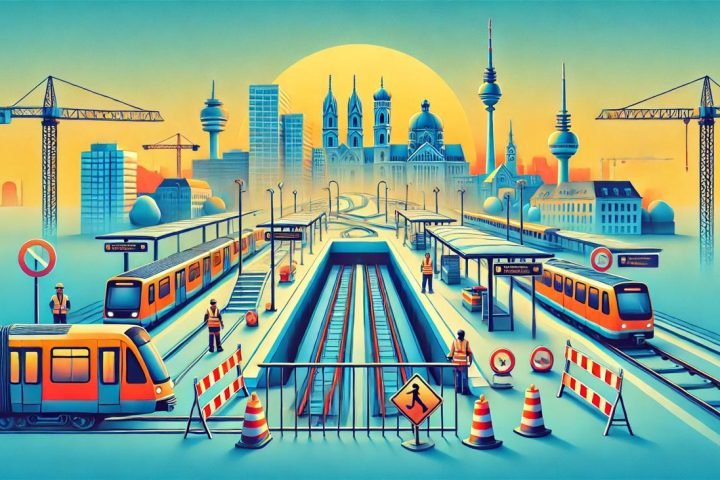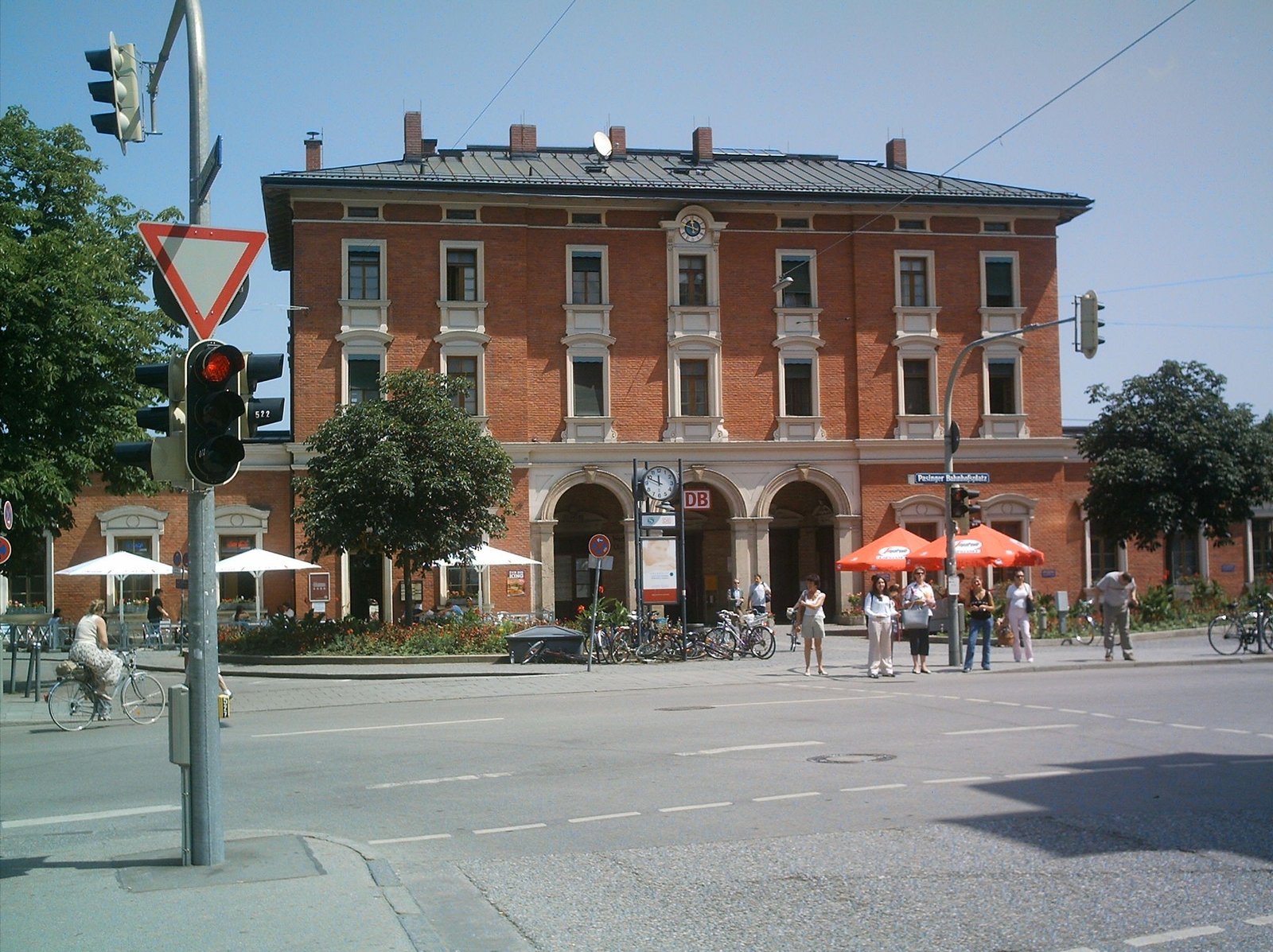

Construction work at Pasing station will entail noticeable changes in the organization of pedestrian and bicycle traffic. Despite the technical complexity of the project, city authorities emphasize that the passages under the railway tracks will remain accessible throughout the entire reconstruction period, ensuring uninterrupted connection between the northern and southern parts of the district.
The implementation of this stage is part of a massive transport network development strategy started back in 2022. According to the plans of the Construction Department, the erection of two new sections with three stations should be completed by the mid-2030s. In the long-term perspective, the U5 line will be extended by another four stops as far as the new residential area of Freiham. At the current stage, the construction has reached its final destination — Pasing station, where the future metro station must be integrated into the existing infrastructure.
Integration of Tunnels into the Construction of the New Station
Since the end of 2025, construction sites have been deployed in the immediate vicinity of the station terminals. In addition to adjustments to the car traffic scheme, the main restrictions will affect two key underground arteries: the main passenger crossing of Deutsche Bahn and the so-called “Cloud Tunnel” (Wolkentunnel). Sections of these crossings, running under Josef-Felder-Straße, will be physically integrated into the construction of the future station complex.
In an official clarification from the Munich Construction Department, it is reported that these measures are necessary to ensure the structural integrity of the new underground structures. For residents and guests of the city, this means a need to adapt to temporary inconveniences associated with engineering work in zones of intensive passenger flow. Department specialists maintain constant monitoring of the situation to minimize the construction’s impact on the daily logistics of citizens.
Maintaining Access to Platforms and Transit Routes
The main priority for city services and the railway (DB) remains the maintenance of unhindered access to the transport infrastructure. A full closure of the underground passages is not planned, which is a fundamentally important point for the station’s functioning. Through passage to the station square and access to the platforms will be provided 24/7; however, in certain sections of the path, the width of the tunnels will be temporarily reduced.
Due to the multi-layered nature of the project and the large number of technological phases, the authorities are informing the public about changes in stages. In the coming weeks, the narrowing will only affect the work zone directly under the roadway of Josef-Felder-Straße. At the same time, the northern exit of the main passenger crossing, leading to the Pasinger Fabrik cultural center, will remain fully open and accessible in its usual format.
Coordination of Measures and Information Support
To compensate for temporary inconveniences in the main crossing, the “Cloud Tunnel” will operate as usual, remaining a reliable alternative for pedestrians and cyclists. Expert forecasts indicate that movement in the northern direction will remain unhindered in subsequent stages of the project’s implementation as well. The Construction Department confirmed that all introduced restrictions are strictly coordinated with the city’s fire service to ensure safety and evacuation standards in case of necessity.
As work progresses and new changes in the traffic pattern arise, additional information signs and navigation systems will be installed at the station. For citizens wishing to receive detailed information on the development of the metro network, a specialized center continues to operate at Willibaldstraße 70. Every Wednesday from 3:00 PM to 7:00 PM, technical experts are on duty there, ready to answer questions about construction timelines and methods.
In conclusion, it is worth noting that the temporary narrowing of the tunnels in Pasing is a necessary measure for creating a modern transport infrastructure. Despite the long implementation period of the project, the preservation of transit routes allows for the avoidance of a transport collapse in one of Munich’s busiest districts, ensuring a balance between resident comfort and the development of the city’s metro system.

Latest Posts