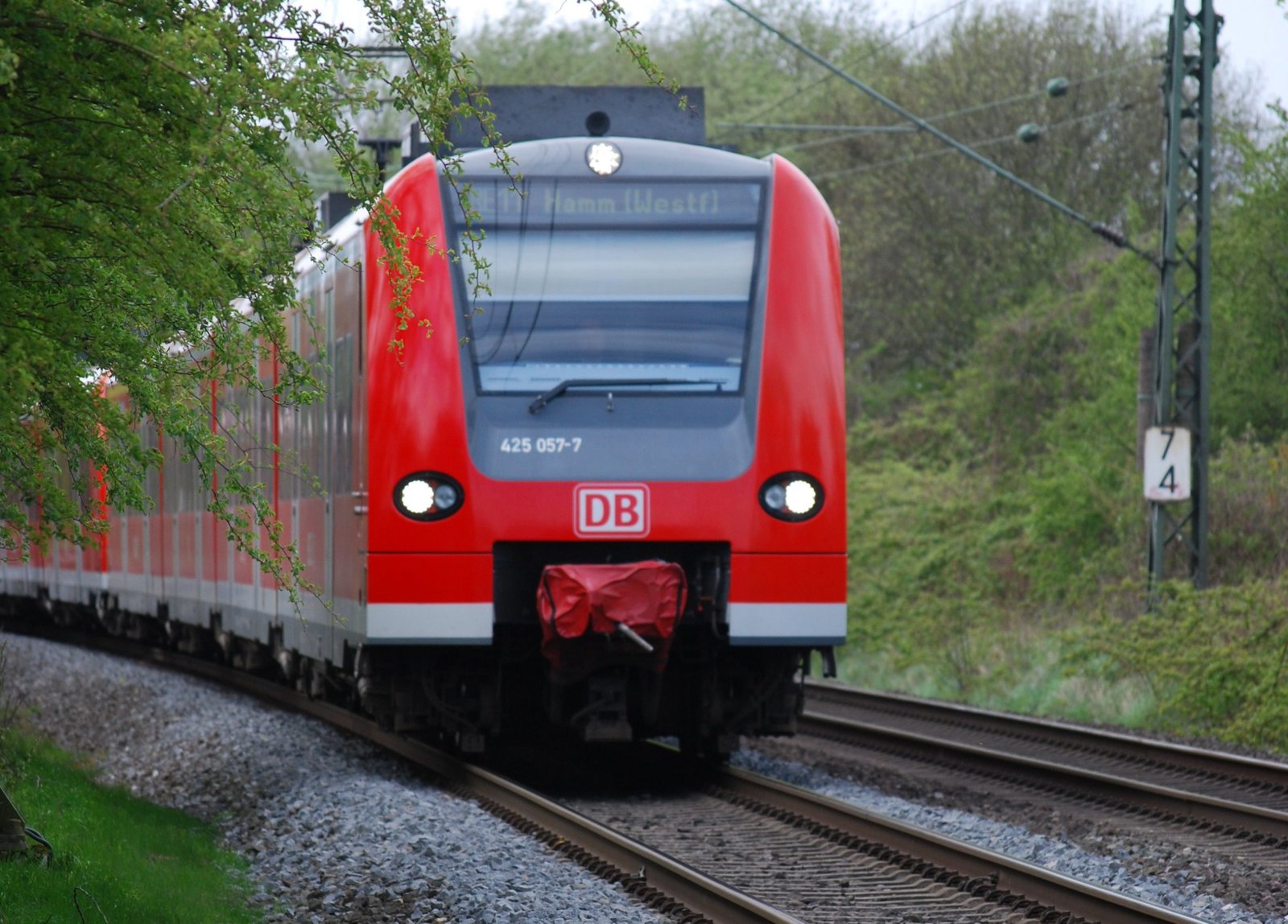

The traffic restrictions, which already caused widespread timetable disruptions, late arrivals for meetings and work, and platform overcrowding last week, have been officially extended. The rail operator has been forced to state that it is impossible to quickly normalize services in the central section of the metropolis due to newly emerging issues with tunnel repairs.
For residents and visitors whose daily mobility depends directly on the stable operation of the Munich S-Bahn, the situation remains extremely challenging. The current construction work on the new Laim station complex and the drilling for the second trunk line have become significantly more complicated due to unforeseen factors discovered during deep drilling operations.
According to the rail company’s press service, five massive old concrete foundations, which were missing from archival blueprints, were unexpectedly discovered beneath the surface at the construction site. Two of these underground structures sit directly in the path of the future subterranean line. Consequently, the full closure of the key trunk line section between Pasing and Donnersbergerbrücke—originally scheduled to wrap up by 4:40 AM on Thursday, May 28—has now been officially extended until late Friday evening, May 29. This forced shutdown has already triggered critical delays and a transport collapse at above-ground transit hubs throughout the working week.
Combined S5/S7 Service Running on Trunk Line Section
Starting at 4:40 AM on Thursday, a combined, shortened S5/S7 service has been operating on the shared trunk line, linking Donnersbergerbrücke and Ostbahnhof. To bypass the blocked section between Pasing and Munich Central Station (Hauptbahnhof), passengers can utilize passing regional and long-distance trains. Until Friday noon, long-distance trains are accessible using standard Munich Transport and Tariff Association (MVV) fares and tickets, as well as national local public transport passes.
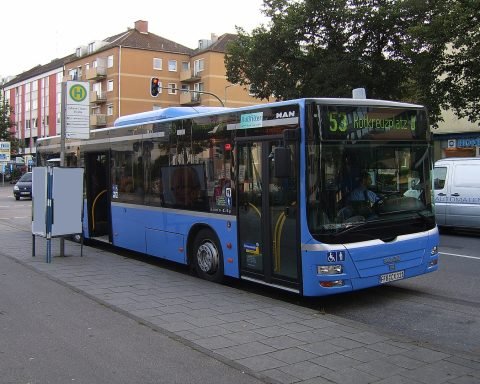
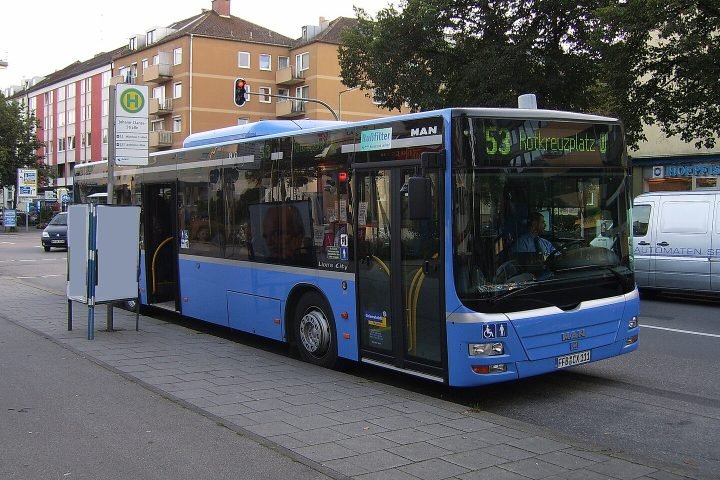
As additional mitigation measures, municipal services have organized an intensive rail replacement bus service between Pasing and Hackerbrücke, and standby rolling stock has been deployed on several city tram lines. The S8 line has been completely rerouted in both directions to bypass the center via the Southern Rail Ring, allowing passengers to transfer to the city U-Bahn system and surface transit at Ostbahnhof. The infrastructure operator strongly recommends utilizing this detour to minimize time loss when traveling to the city center.
Safety Teams Mobilized at Overcrowded Transfer Stations
The relevant division of the rail operator emphasizes that engineering and technical works to dismantle the underground obstacles and complete additional measures as quickly as possible are ongoing in an intensified, non-stop mode.
At the busiest transfer stations—including Munich Central Station, where dangerous platform overcrowding was previously recorded due to the restrictions—additional Deutsche Bahn security staff and passenger flow coordinators have been urgently deployed.
The transport network’s management recommends that citizens postpone non-essential travel to a later period whenever possible and entirely avoid using the rail infrastructure during the morning and evening rush hours.
In conclusion, the extended closure of the trunk line has once again exposed the vulnerability of Munich’s radial-concentric transport model to infrastructure incidents. The discovery of undocumented underground foundations points to systemic issues in archival surveying records from past decades, the consequences of which are now being felt by hundreds of thousands of passengers.
While the operator’s ability to mitigate damage by deploying replacement buses and honoring local tickets on long-distance trains partially softens the crisis, the final stabilization of the situation in the Bavarian capital will depend on the speed of engineering crews over the next 24 hours.