
Ultimately, a fateful, if not to say fatal, role for the owner of this commercial establishment was played by a vigilant buyer, who up to a certain point seemed to the staff to be an absolutely ordinary, unremarkable client. This incident exposed hidden problems in the street trade sector of the city and attracted increased attention from law enforcement agencies.
The gastronomic pavilion, combined with a mini-pizzeria in the prestigious Munich district of Schwabing, was located in the immediate vicinity of the famous English Garden — a favorite recreation spot for both local residents and numerous foreign tourists. However, for a narrow circle of initiate visitors, this retail outlet for several years served not just as a place for the quick purchase of light snacks and ready meals.
According to official information disclosed by representatives of the Local Court of Munich, persistent rumors were actively circulating in the district that one could easily purchase cocaine in the establishment. For this, a buyer only needed to use a specific verbal cipher and order a “special pizza” at the counter.
Two local police officers in civilian clothes made the decision to personally check the incoming operational data and entered the retail premises under the guise of ordinary passers-by. For the purpose of conspiracy, they first purchased refreshing drinks, after which they casually struck up a conversation with the 36-year-old tenant of the retail outlet.
Among other things, the law enforcement officers mentioned in passing the SIM cards displayed in the shop window. When during the conversation the legal necessity of their activation came up, the man, as was later proven in court, proactively offered the clients to get cards for them that had already been registered in advance to straw third parties.
Undercover Check Led to the Exposure of the Owner
One of the embedded operatives subtly remarked in the course of the continuing confidential conversation that in this multifunctional kiosk, apparently, if desired, absolutely everything could be obtained. The owner of the pavilion laughed openly and without a shadow of doubt added the signature phrase: “Yes, including white and green.” As representatives of the judicial authorities later explained in detail to uninitiated journalists, in the specific slang of drug users, these code words traditionally mean cocaine and marijuana.
The law enforcement officers instantly showed a visible interest in the offer and immediately agreed to purchase two grams of the prohibited substance. Then, under a completely natural fictitious pretext, they briefly left the retail premises to promptly call for operational reinforcement.
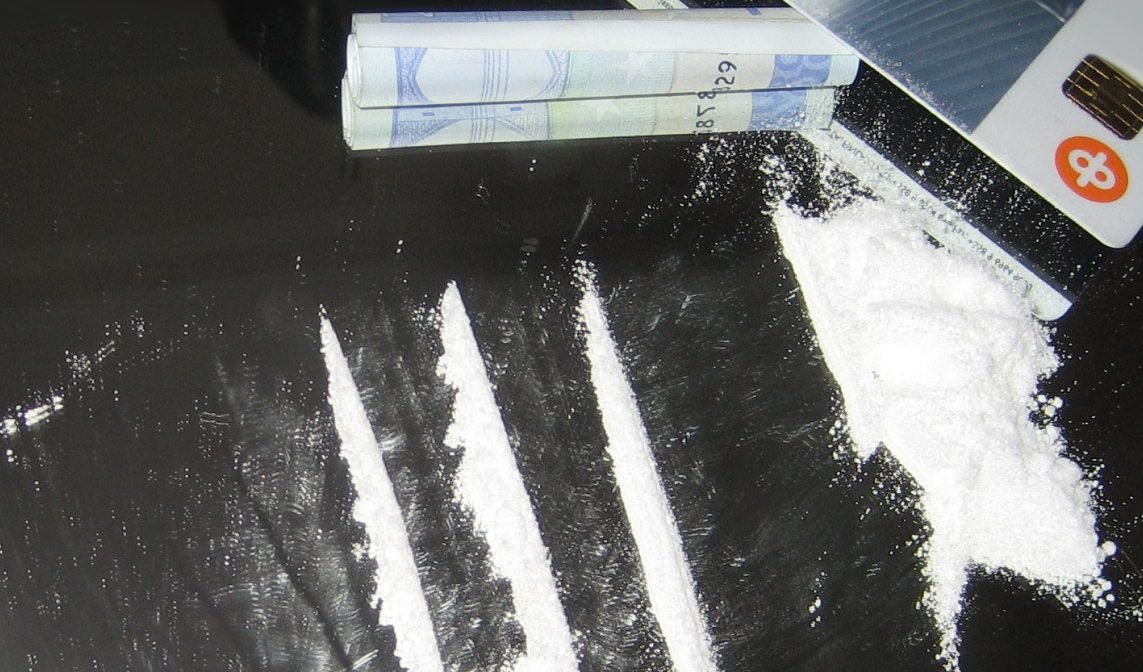
Following this, a large-scale and thorough search was immediately conducted in the gastronomic pavilion. In the course of these urgent investigative actions, police officers discovered just under three grams of cocaine, as well as 53 grams of dried marijuana in hiding places. The current situation logically entailed the immediate arrest and harsh criminal prosecution for the restaurateur.
The Owner of the Munich Kiosk Suffered From Drug Addiction
The Local Court of Munich on May 4, 2026, officially found the 36-year-old man completely guilty of illicit trafficking in dangerous narcotic drugs and cannabis, sentencing him to a punishment in the form of one year and two months of imprisonment suspended on probation. This judicial decision has already finally entered into legal force, which official representatives of the Bavarian judicial body publicly announced this Monday.
It is worth noting that the defendant fully and unconditionally admitted his guilt back during the main judicial hearing. He explained in detail to the court that due to protracted personal difficulties, as well as unforeseen psychological stress and colossal financial burden inextricably linked with running an independent business in the catering sector, he had developed a severe cocaine addiction. To cover his own expenses, he went ahead with the crime. By now, his commercial enterprise is officially recognized as bankrupt, and all trading activity of the kiosk-pizzeria with “buns” has been completely and finally terminated.
The Court Qualified the Deed as an Especially Grave Case
The Bavarian bodies of justice firmly proceeded in their verdict from the fact that the defendant was engaged in unlawful activity on a commercial basis with the aim of deriving a permanent illegal income. Although the accused himself stubbornly asserted in the course of the hearings that he had not committed such illegal transactions more than 1,000 times, he nevertheless fully confirmed the facts of systematic and regular sales of cocaine and marijuana directly on the premises of his pavilion recorded by the investigation.
When pronouncing the official motivating part of the rendered decision, the judges still took into account in the man’s favor the timely admission of guilt, sincere public repentance for the deed, the complete absence of any prior convictions in the past, and his extremely grave psychological state. In addition, during the period of committing the crime, he himself deeply suffered from a destructive addiction and, according to the objective testimony of one of the witnesses of the trial, was under the clear and strong influence of prohibited substances during the arrest.
Among the weighty aggravating circumstances, the court reasonably included the simultaneous retail sale of several different types of drugs at once. Besides this, the seized marijuana and cocaine, according to the authoritative assessment of the conducted expertise, were distinguished by an exceptionally high quality of purification and a significantly increased content of the active substance. The main argument of the prosecution against the defendant was that he completely intentionally and cynically used his official status as a legal entrepreneur and the rented premises of the retail outlet for the regular commission of crimes and the covert attraction of new potential buyers.
Conclusions and Public Consequences of the Incident
This resonant incident in the prosperous district of Schwabing clearly illustrates the latent risks faced by the modern urban small business sector in conditions of fierce economic competition. The example of the Munich restaurateur shows how financial pressure and a personal crisis can push a legal entrepreneur to the brink of a criminal business, behind which a collapse of reputation and total bankruptcy inevitably follow.
For the law enforcement agencies of Munich, the successful closure of the underground outlet near the English Garden became another confirmation of the effectiveness of undercover work. Strengthening control over street trade and fast-food facilities in the recreational areas of the city, according to law enforcement officers, will make it possible to minimize such risks in the future and maintain the high level of public safety so valued by the residents of the Bavarian capital.