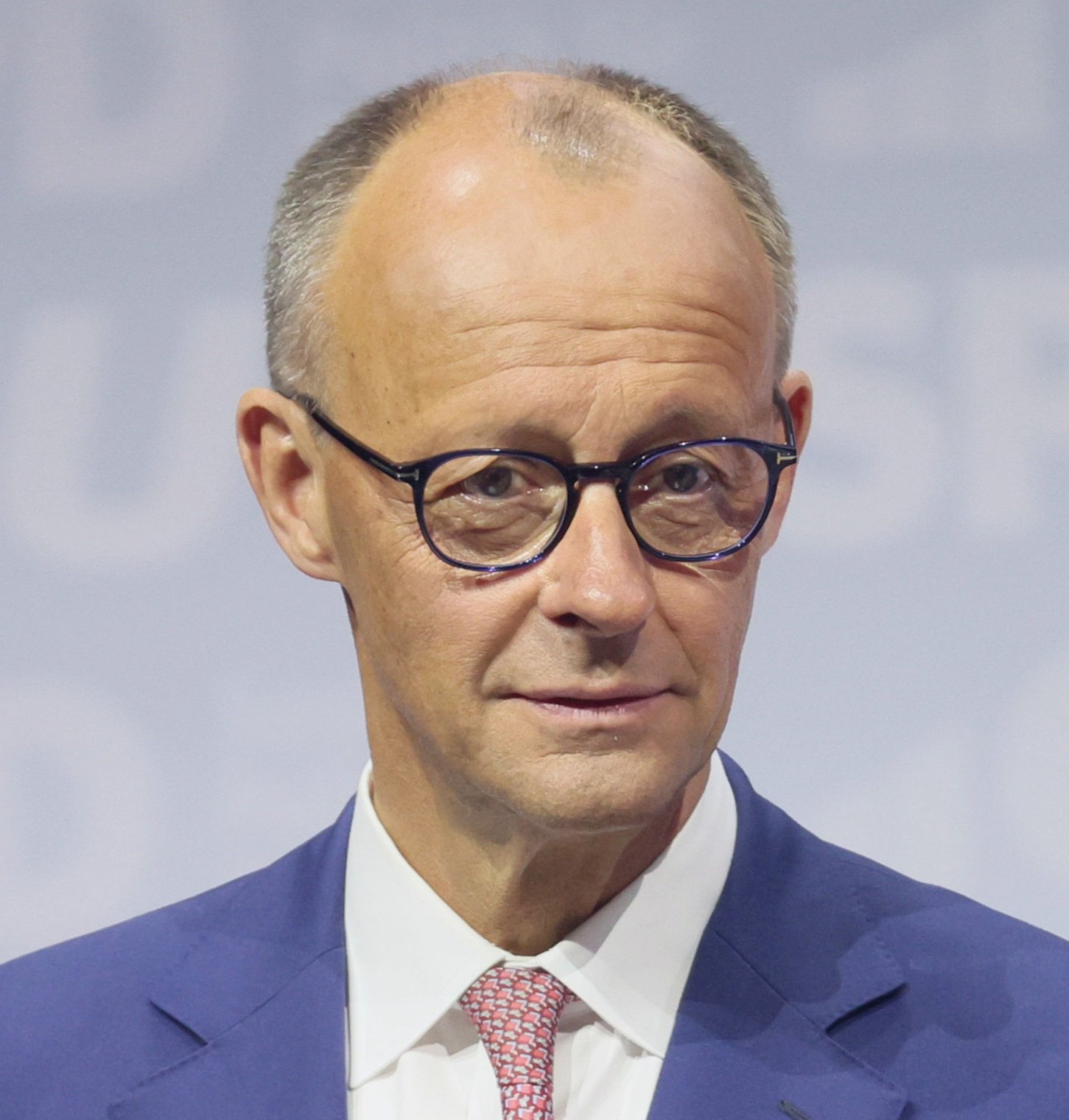

Federal Chancellor Friedrich Merz (CDU) met in the Bavarian capital with the heads of leading associations: the Confederation of German Employers’ Associations, the Federation of German Industries, the Association of German Chambers of Commerce and Industry, and the Central Association of German Craft.
Following the high-level talks, Friedrich Merz expressed his opinion on the results of the exchange of ideas with representatives of economic unions. Economic observer Tobias Brunner analyzed the industry’s key demands and their potential impact on the national labor market.
Difficulties in the craft sector: labor shortage, bureaucracy, and energy prices
The main topic of discussion was the lingering economic problems. Despite weak cyclical growth, the craft sector, according to the profile union, lacks about 200,000 skilled employees. At the same time, enterprises predict extremely restrained turnover growth this year — at the level of one percent.
Union President Jörg Dittrich put forward a series of demands to the government, including a reduction in the bureaucratic burden, a decrease in energy prices, and a cut in taxes and social security contributions. Many business representatives counted on dynamic transformations after the formation of the new cabinet of ministers. The problem of attracting young people remains acute: last year, approximately one in nine apprenticeship positions in the craft sector remained vacant. Reducing energy costs and simplifying reporting are seen as critical factors for maintaining the competitiveness of small and medium-sized enterprises.Source: BR24

Latest Posts