
Facing the necessity of covering rising costs from the city budget, the Munich authorities have issued an official appeal to the Federal Minister of the Interior, categorically demanding a revision of the existing cost-allocation mechanism. The situation is deemed critical: the Bavarian capital is effectively forced to subsidise the execution of federal functions, creating a dangerous precedent for the entire system of local self-government.
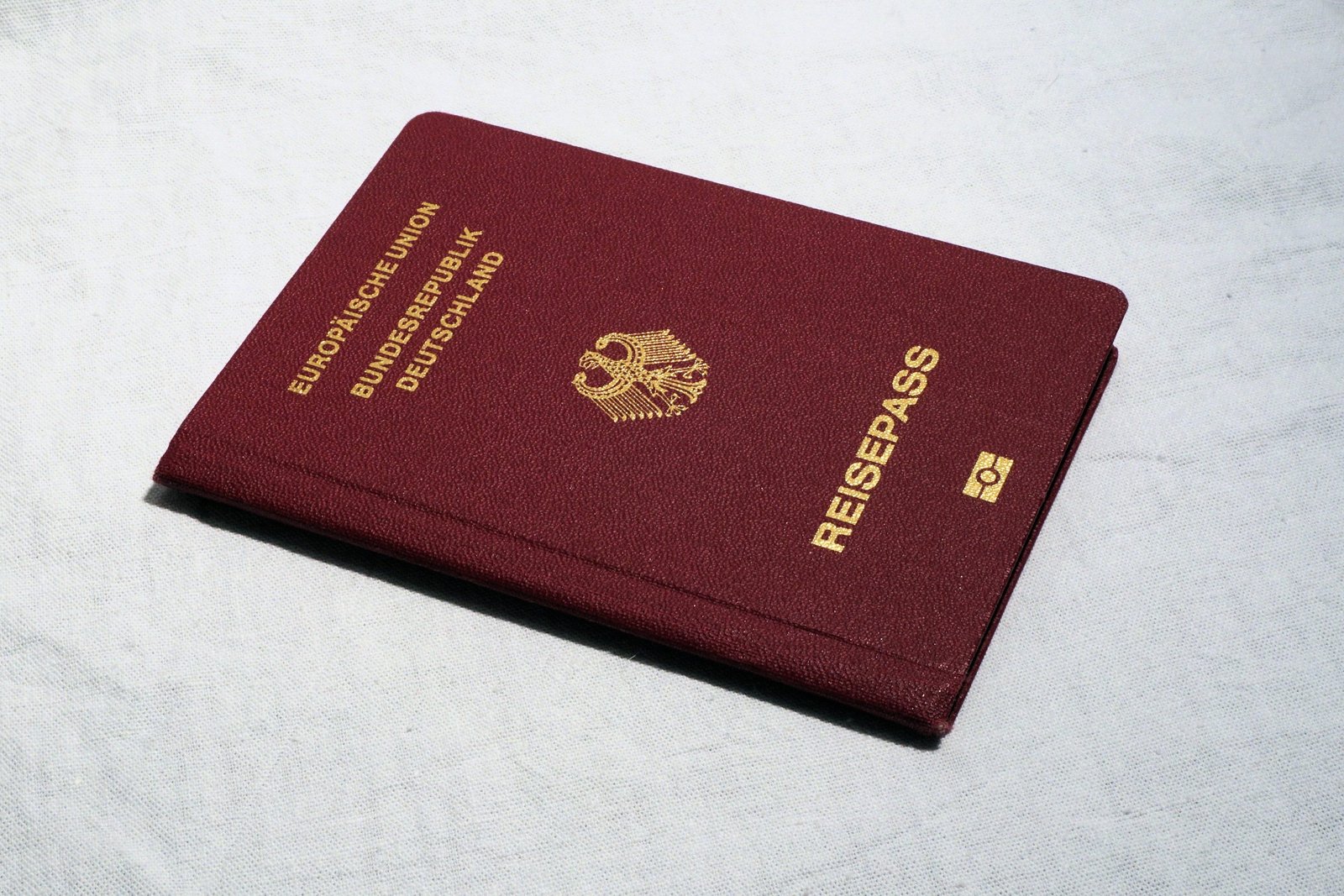
According to official data from the Munich administration, the Federal Printing Office increased printing tariffs—which municipalities must remit upon citizens’ applications—within an extremely tight timeframe. Notably, this marks the second substantial price hike since 1 August 2025. Although statutory fees charged to the public at service centres (Bürgerbüro) were also indexed upwards during this period, these additional revenues fail to offset the amounts that municipalities are now mandated to transfer to the monopoly printing office.
Municipalities Incurring Losses: Mayor Krause’s Appeal
Economic calculations reveal a troubling trend: depending on the document category, the negative variance between city revenue from administrative fees and the actual costs paid to the printing office reaches €2.01 per issued passport. For a metropolis such as Munich, where hundreds of thousands of documents are processed annually, these seemingly marginal losses accumulate into a significant six-figure deficit. Furthermore, it is vital to note that cities and communities traditionally self-fund personnel, technical equipment, and the maintenance of passport offices in full, rendering the service profoundly loss-making for the municipality.
In an official letter to the Federal Minister of the Interior, Munich’s Second Mayor, Dominik Krause (Green Party), acting as interim Lord Mayor, proposed a systemic reform. He urged for municipalities to be granted a fixed share of the Federal Printing Office’s total revenue or for a prompt adjustment of passport and visa fees to reflect current market realities.
The position of city officials remains firm:
- Dominik Krause: “A situation in which municipalities are obliged to subsidise every issued identity card from their own pockets, while the Federal Printing Office operates with full cost recovery and generates a profit, is unacceptable. The Ministry of the Interior must develop and implement a fair compensation mechanism.”
- Dr Hanna Sammüller-Gradl (Head of Department): “Increased fees are becoming an unsustainable burden on our service centres’ budgets. Financial resources earmarked for local initiatives and service improvements must now simply be transferred to the printing office. I expect an honest and transparent resolution from the federal government.”
Munich is currently coordinating its efforts with other major cities through the Association of German Cities (Deutscher Städtetag), as these financial difficulties have reached a national scale, threatening the stability of municipal budgets across the country.
Analytical Review: The Fiscal Conflict Between Municipalities and the Federal Centre
The dispute regarding Federal Printing Office tariffs has transcended technicalities, becoming a salient example of a systemic crisis in the interaction between Germany’s levels of government. A deep analysis of this confrontation highlights several fundamental administrative and economic issues requiring immediate legislative intervention.
1. Violation of the “User-Pays” Principle
German administrative law is based on the principle of connectivity: any federal initiative entailing local costs must include a clear funding mechanism. In this instance, the federal centre has effectively transferred the commercial and production risks of the state printing office onto local governments. The current practice—where a wealthy municipality subsidises the production of mandatory federal documents—blurs the lines of financial accountability.
2. Cumulative Effect of Hidden Costs
A discrepancy of €2.01 per transaction may appear negligible to the public; however, for Munich’s administrative apparatus, it represents hundreds of thousands of euros in net annual losses. When factoring in collateral costs—such as workstation digitalisation, ongoing biometric standard training, and high inner-city rents—it is evident that passport services have become a “black hole” for the city budget.
3. Inflationary Pressure and Budgetary Rigidity
Two price increases within less than a year reflect high inflationary dynamics in the high-tech production sector. However, municipal budgets are characterised by long-term planning and low flexibility. Sudden tariff changes by a state monopolist leave local authorities with neither market alternatives nor the time to reallocate funds, undermining intergovernmental trust.
4. Political Context and the Role of the Association of Cities The fact that Munich is acting in unison with other metropolises through the Deutscher Städtetag confirms that the issue has reached a breaking point. This conflict should serve as a catalyst for a comprehensive reform of fee legislation, ensuring a transparent and equitable distribution of revenue for the communities performing the primary administrative work with citizens.