
Official statistics of registered incidents for 2025 demonstrate an extremely disturbing dynamic, causing serious concern among educators, parents, and human rights organizations. The specialized Center for the registration of complaints about discrimination and right-wing extremism in Munich schools recorded an unprecedented growth in the number of such violations during 2025. According to the fresh annual report, a total of 154 official requests directly related to systemic discrimination, as well as open misanthropic and right-wing radical manifestations in the academic environment, were recorded and analyzed in detail.
Thus, for the fourth year of conducting systematic observations, the total number of complaints increased by approximately 21 percent compared to the indicators of 2024, which indicates the rooting of negative trends in the adolescent environment and even among teachers. Racism remained by a wide margin the most frequent and aggressive reason for citizens’ requests and became the key destructive factor in 66 percent of all documented situations.
In total during the reporting period, 94 confirmed cases of manifestations of racial and ethnic intolerance were officially registered. In addition, analysts note that in educational institutions, the number of complaints on the grounds of clear sexism noticeably grew — their number increased exactly twofold and reached 22 incidents requiring comprehensive pedagogical intervention.
Number of Right-Wing Radical Manifestations in Munich Schools Has Also Increased
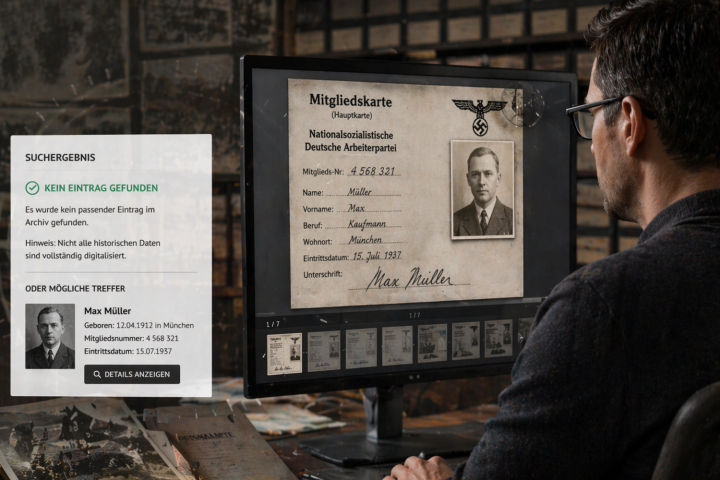
Right-wing radical offenses on the territory of educational complexes have again noticeably become more frequent, creating a direct threat to the safety of students. In 2025, independent observers recorded 58 such requests, among which cases of applying xenophobic graffiti with the banned swastika, public Nazi salutes among adolescents, and the illegal distribution of right-wing extremist stickers in school premises predominate.
In addition, in May, the radical ultra-right association “Identitarian Movement” organized coordinated propaganda actions with active distribution of leaflets and hanging of political banners in several large educational institutions of the city.
Approximately a third of all registered incidents, after conducting a primary qualified legal assessment, were officially classified by law enforcement agencies as falling under direct criminal liability. Most often, the recorded violations of legislation concerned the following unlawful actions:
- Insults to personal dignity on the grounds of origin;
- Demonstrative use of anti-constitutional symbols;
- Intentional damage to state and school property;
- Direct incitement of interethnic and interreligious hatred.
Discrimination and Intentional Underrating of Grades of Immigrants’ Children by Teachers
Lord Mayor Krause Spoke Out Against Racism and Hatred
About 40 percent of the total number of requests were received through a special digital online form created for rapid communication with state authorities. The specialized department for democracy protection issues under the administration of Munich called this digital service an effective and accessible tool that significantly lowers psychological barriers for submitting complaints and allows victims to send anonymous messages as well, without fear of possible persecution by peers.
Lord Mayor Dominik Krause, in his official address, harshly condemned any forms of xenophobia and emphasized that Munich historically stands for an open, tolerant, and diverse city society.
“Racism, Nazism, xenophobia, systemic discrimination, right-wing intolerance, and other types of hatred must have no place either in the public spaces of our metropolis or in our schools,” the representative of the Green Party firmly stated, announcing the intensification of preventive measures.
Long-Term Prospects for Overcoming the Crisis
The published statistical data for 2025 clearly demonstrate that the Munich school education system needs an immediate intensification of preventive programs and ideological counteraction to radicalism.
The growth in the number of offenses, especially among minors, requires coordinated efforts from city authorities, pedagogical collectives, and law enforcement structures. The introduction of accessible digital platforms for collecting complaints helps to identify hidden latent conflicts; however, the key task for the future remains systemic educational work aimed at eradicating extremist sentiments at early stages and protecting democratic values in the youth environment.