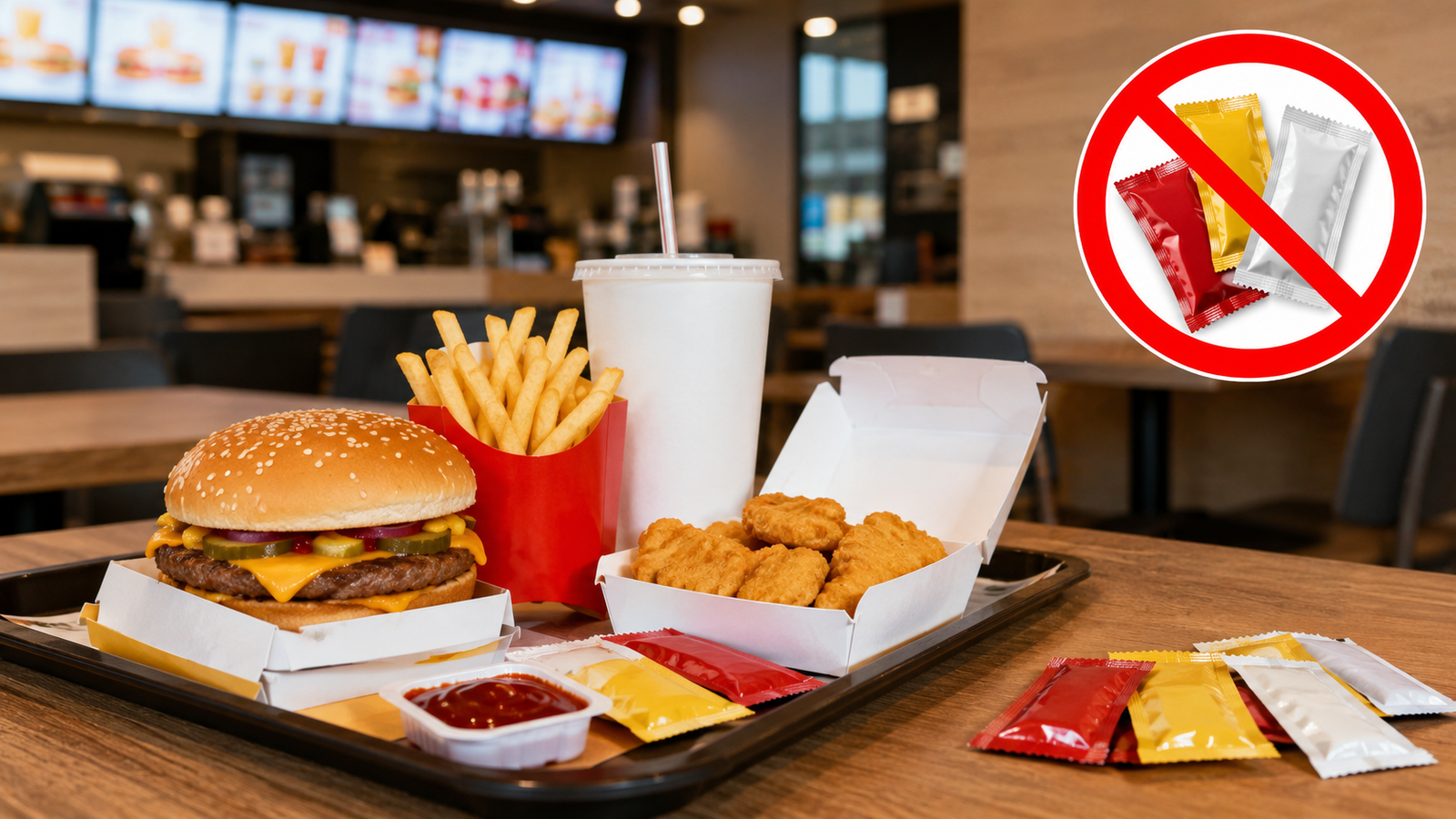

Small plastic packets of ketchup, mayonnaise, or sugar will soon completely disappear from tables in restaurants and cafes across the European Union. This measure is intended to radically change the consumption culture of portioned products and reduce the load on waste processing complexes.
The European Union is consistently intensifying the fight against plastic pollution and, within the framework of the new “Packaging Regulation,” is strictly limiting the use of single-use portioned containers in the food service industry. Starting from 2030, the use of small polymer packaging for ketchup, mayonnaise, mustard, sugar, and portioned coffee creamer in restaurants, bistros, and hotels for on-site consumption will be completely prohibited.
Information regarding the approval of the final version of the document in the EU was published by the German edition Bild.
Goals of the New Regulation and Implementation Timelines
The new regulation, which will officially enter into force on August 12, 2026, is directly aimed at stopping the constant growth of municipal waste volumes and significantly reducing the overall consumption of single-use plastic in European states. The development of the draft law was carried out over several years with the involvement of specialized experts and representatives of the restaurant and hotel business.
The main reason for introducing such radical restrictions was the extremely negative environmental balance of mini-packets compared to other types of packaging. Since such products most often consist of complex, multi-layered composite materials, their automated sorting and subsequent recycling are practically impossible. After a single use, often lasting only a few seconds, they are sent en masse to bins for mixed household waste.
It is expected that a consistent phase-out of small single-use packets will noticeably reduce the share of non-recyclable plastic and bring tangible benefits to the environment.
Scope of Restrictions and Exceptions to the Rules
At the same time, the developed ban will affect far from all areas of commercial activity. For the takeaway segment, including servicing motorists in the popular “drive-in” format, selling hot coffee to go, or retailing packaged ready meals for the road, the use of separate individual portions of sauces will still remain permitted. This is due to the current lack of an adequate technological alternative for mobile catering.
Similarly, strict exceptions are provided by lawmakers for hospitals, nursing homes, and similar specialized medical facilities. In these organizations, small formats of hermetic packaging will be recognized as necessary and will continue to be used in the future solely for reasons of strict compliance with sanitary and hygienic standards.
It should be noted that the ban on portioned plastic in the EU is a logical step within the framework of the global strategy for the transition to a circular economy.
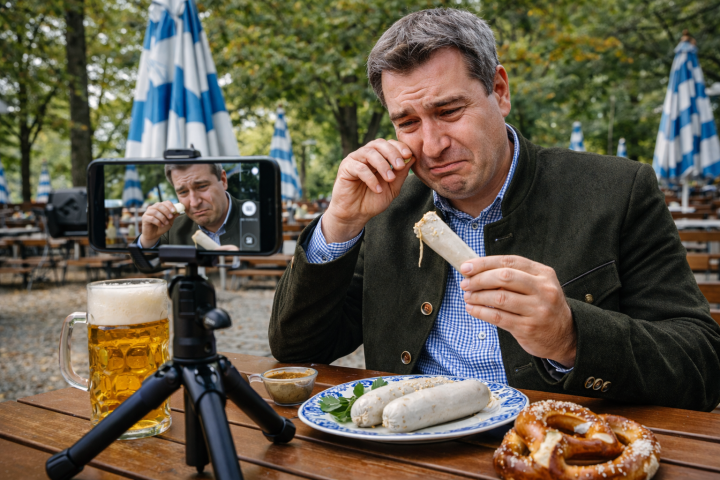
Despite potential difficulties for restaurateurs, who will have to return to classic reusable sauceboats and dispensers, the innovation lays the foundation for a systemic reduction in the volume of non-disposable waste.
The success of this initiative will largely depend on the readiness of the market to adapt to the new rules before the deadline in 2030.