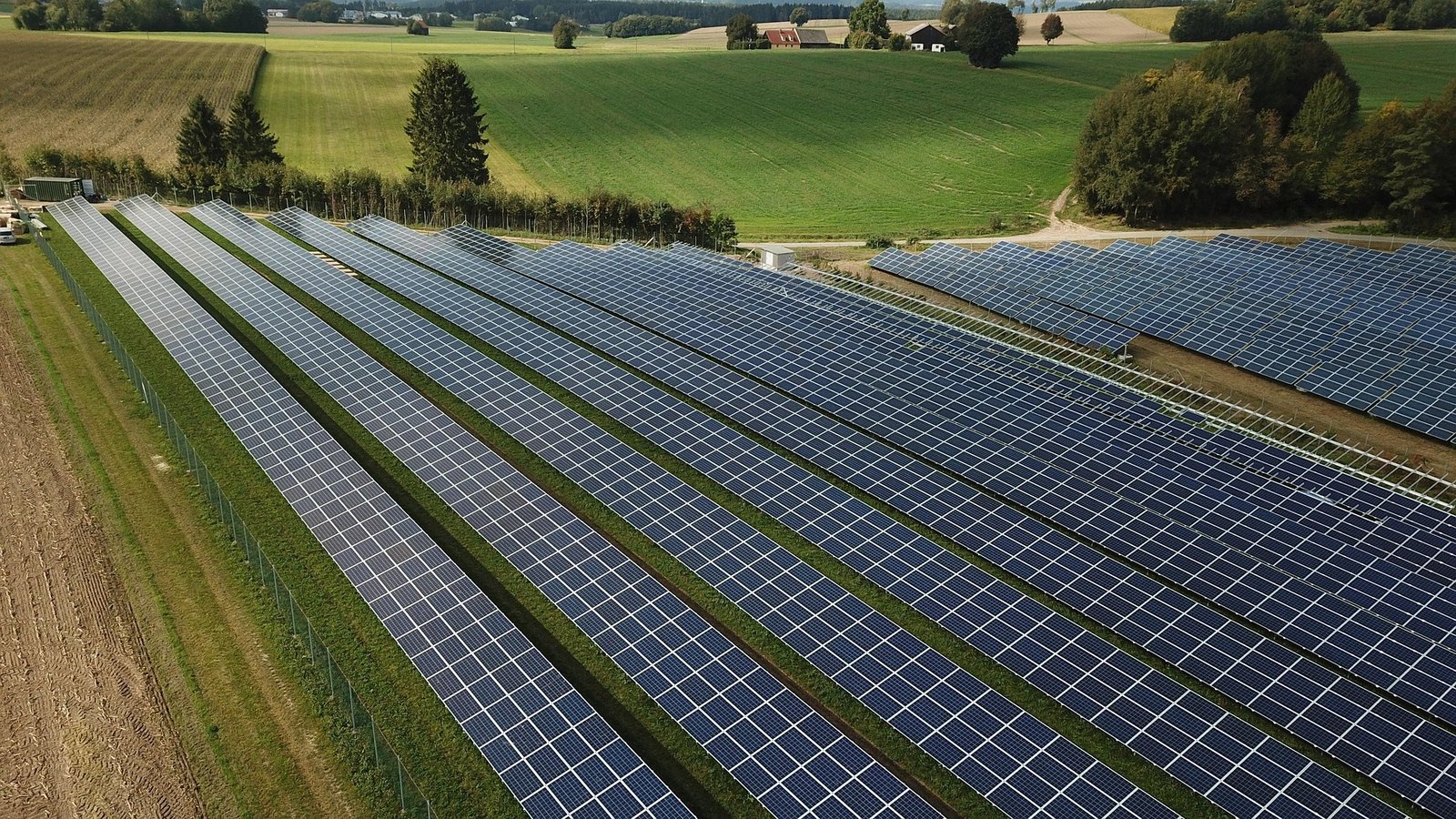

In Bavaria, regional public electricity networks increasingly find themselves physically unable to accept and distribute the entire volume of generated solar energy. During periods of peak insolation activity, owners of photovoltaic stations are forced to artificially reduce delivery volumes to the grid, even when weather conditions remain ideal for electricity production.
Agricultural regions, particularly Lower Bavaria and the Upper Palatinate, have encountered this technical problem to the greatest extent. Independent experts and representatives of relevant associations claim that the pace of distribution network modernization lags significantly behind the rate of commissioning new generating capacities, leading to serious macroeconomic costs.
When modern solar stations produce more electricity than is required by industrial enterprises and private consumers at a specific moment in time, power system operators are forced to promptly intervene in the technological process. In order to prevent emergency equipment overloads, they artificially limit the supply of green energy—a procedure known in international practice as dispatch regulation or “redispatch.”
As a result, the generated ecologically clean electricity simply does not enter the general distribution network and is canceled. At the same time, according to active legislation, the owners of the affected photovoltaic installations are guaranteed to receive full monetary compensation at the expense of end consumers. According to official reporting data from the Federal Network Agency (Bundesnetzagentur), operators of such stations were paid a total of about 162 million euros last year due to similar technological limitations.
Mismatch Between Demand Fluctuations and Infrastructure Capabilities
The essence of the systemic problem lies in a deep imbalance and constant fluctuations in energy consumption volumes throughout the day. On weekends, as well as during night hours, demand from the industrial sector is significantly lower than in the first half of a regular working day. Concurrently, in clear sunny weather, generation volumes at photovoltaic stations rise sharply compared to cloudy days, creating an excess supply.
The situation is significantly complicated by the fact that the throughput capacity of local distribution networks across the federal state is developed unevenly. In some administrative districts, the existing network infrastructure is at times physically incapable of accepting and transporting the entire volume of generated electricity, turning local networks into a bottleneck of the energy system.
Energy Transition Requires Revision of Network Development Principles
The emergence of these critical bottlenecks in the Bavarian distribution system is partly related to historical principles of electricity grid design and creation in Germany. In the era of dominance by traditional coal and nuclear power plants, the key task for engineers was to stably deliver electricity from central large energy facilities to remote regions. The main difficulty then consisted in connecting and reliably supplying even the most isolated farms according to a radial principle.
Today, the situation has reversed: it is precisely in rural areas and remote territories possessing large free spaces that a colossal volume of energy is generated through wind and sun. Now, this electricity must be accepted directly at the generation points and transported to major industrial centers. However, the local infrastructure was not originally designed for such reverse loads. When the network is overloaded, ecologically clean energy simply has to be written off, pointing to the need for a conceptual revision of network planning principles.
Federal Government Prepares Stricter Requirements for New Stations
For this reason, the Federal Ministry for Economic Affairs and Climate Action plans to terminate subsidies for new photovoltaic installations in those regions where 3 or more percent of generated electricity was previously systematically rejected by the infrastructure. The Federal Network Agency is not yet officially publishing the exact regulatory list of such problematic territories in order not to destabilize the investment market. The largest network operator in Bavaria is the energy company Bayernwerk.
In response to an official written inquiry, representatives of the organization reported that an increased density of such renewable energy facility placements is recorded primarily in Lower Bavaria and in the southern part of the Upper Palatinate. According to information from Bayernwerk, the share of artificially limited energy has been steadily increasing since 2022 and currently sits in the average range of single-digit percentage indicators of total generation.
Entrepreneurs in the alternative energy sector, such as Andreas Henze, chairman of the board of the civil energy cooperative Freisinger Land, express serious concerns that the Ministry of Economics’ planned three-percent restriction will slow down the erection of new photovoltaic stations and reduce the investment attractiveness of the industry. Henze is convinced that infrastructure operators are obliged to radically accelerate the pace of electricity grid modernization instead of introducing prohibitive measures.
Storage Batteries as a Solution Option
A possible technical way out of the current situation could be the ubiquitous use of industrial battery energy storage systems. This technology has been developing at a rapid pace recently, and specialized equipment is becoming increasingly affordable in price for commercial enterprises. Nevertheless, for the effective operation of batteries, a reliable and coordinated electrical network is still required.
The most economically effective option is when storage systems do not just smooth out surpluses of their own solar energy during peak hours, but can also cheaply draw so-called traditional electricity from the general network during periods of excess supply, operating in the mode of systemic frequency regulators.
Protracted Document Processing Bureaucracy Slows Technology Deployment
Nevertheless, the process of practical installation of storage systems is also stalling due to bureaucratic obstacles. A characteristic example is the municipality of Eching near Munich. A civil energy cooperative is currently erecting a large field of photovoltaic panels here to provide the region with clean energy. However, a modern storage unit is still missing at the facility, although regular artificial shut-offs by dispatchers are also predicted here according to all calculations.
Negotiations with the network company Bayernwerk usually last so long that for the chairman of the board, Andreas Henze, the primary launch of the generating station itself became a priority in order to minimize losses. Submitting the legal application for the installation of the technological storage had to be postponed to the second stage. According to Henze, long approval times and obtaining permits from the monopolist could have delayed the implementation of the entire investment project indefinitely.
Network Operator Overwhelmed with Requests
Representatives of Bayernwerk, in an official comment for the broadcaster BR, acknowledge that document processing times are sometimes protracted because each incoming request requires an individual local assessment of the technical parameters of the network. In addition, the operator is currently literally swamped with applications for connecting battery storage systems from both private individuals and businesses. In 2025, the company received no fewer than 230,000 requests regarding the creation of new facilities, changing the parameters of existing stations, integrating storage systems, and direct connection to networks.
To remedy the situation, the company is investing 2.2 billion euros exclusively in the current year into modernizing the physical infrastructure and deep digitalization of Bavaria’s distribution networks, which should increase the speed of processing client requests.
Infrastructure Modernization as a Guarantee of Affordable Energy
In conclusion, it must be stated that the current investment efforts of operators are not yet sufficient to overcome the systemic crisis of distribution networks. Critics of the current regulatory model fear that the slow updating of infrastructure is capable of completely blocking the energy transition declared by the German government. Long waits for technical permits and the absence of a clear state strategy deprive investors of necessary confidence. At the same time, against the backdrop of the mass adoption of electric vehicles and the inevitable rising cost of CO2 emission certificates, the overall requirement of German industry for ecologically clean energy will increase at a rapid pace, demanding the immediate elimination of regulatory and infrastructural barriers.