
If the negotiations conclude successfully, this Bavarian enterprise will not just strengthen its position, but will displace another local leader from the Bavarian capital to become the country’s most valuable “unicorn.” This dynamic highlights the growing interest of global capital in the national security sector and dual-use software.
According to information published by the business outlet Financial Times, citing confidential sources close to the negotiations, the defense company Helsing intends to raise an additional $1.2 billion (equivalent to just over €1 billion) from a pool of international investors. The scale of the upcoming deal indicates a high degree of confidence in the startup’s technological solutions amid a changing geopolitical climate.
At this stage, reputable North American investment structures Dragoneer and Lightspeed Venture Partners are acting as the key financial backers. Notably, the Dragoneer fund has an impeccable reputation in the venture industry, having previously invested in early stages in global platforms like Spotify, Uber, Airbnb, as well as the creator of ChatGPT—OpenAI. Its partner for the round, the Lightspeed fund, is recognized as one of the key pioneers in funding artificial intelligence systems, with its portfolio boasting major investments in Anthropic and Elon Musk’s ambitious xAI project with its Grok chatbot. Thus, Helsing is entering the top tier of global technology brands.
Drones from Munich Enter the Global Market
Helsing was founded in Munich in 2021 and has transformed from an ambitious startup into a strategic state partner in a short period. The primary field of the enterprise’s activity is creating advanced software based on generative artificial intelligence for integration into the control systems of tanks, submarines, and combat aviation. The company’s technological potential was highly appreciated at the state level: in 2023, the German government officially tasked Helsing with equipping modernized Eurofighter fighter jets, as well as the perspective Future Combat Air System (FCAS), with AI algorithms.
In addition to purely software products, Helsing is actively developing its hardware division by manufacturing unmanned aerial vehicles. These drones are already undergoing testing under real conditions, being deployed in places like Ukraine, and are forming an domestic order book—the startup recently secured a massive contract with the Bundeswehr.
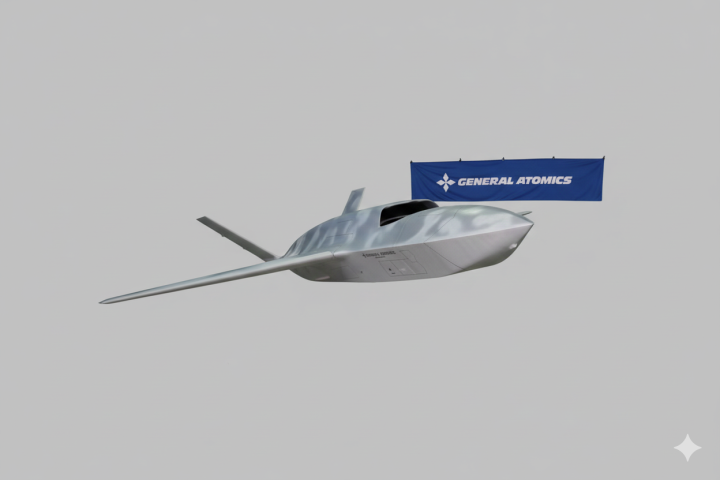
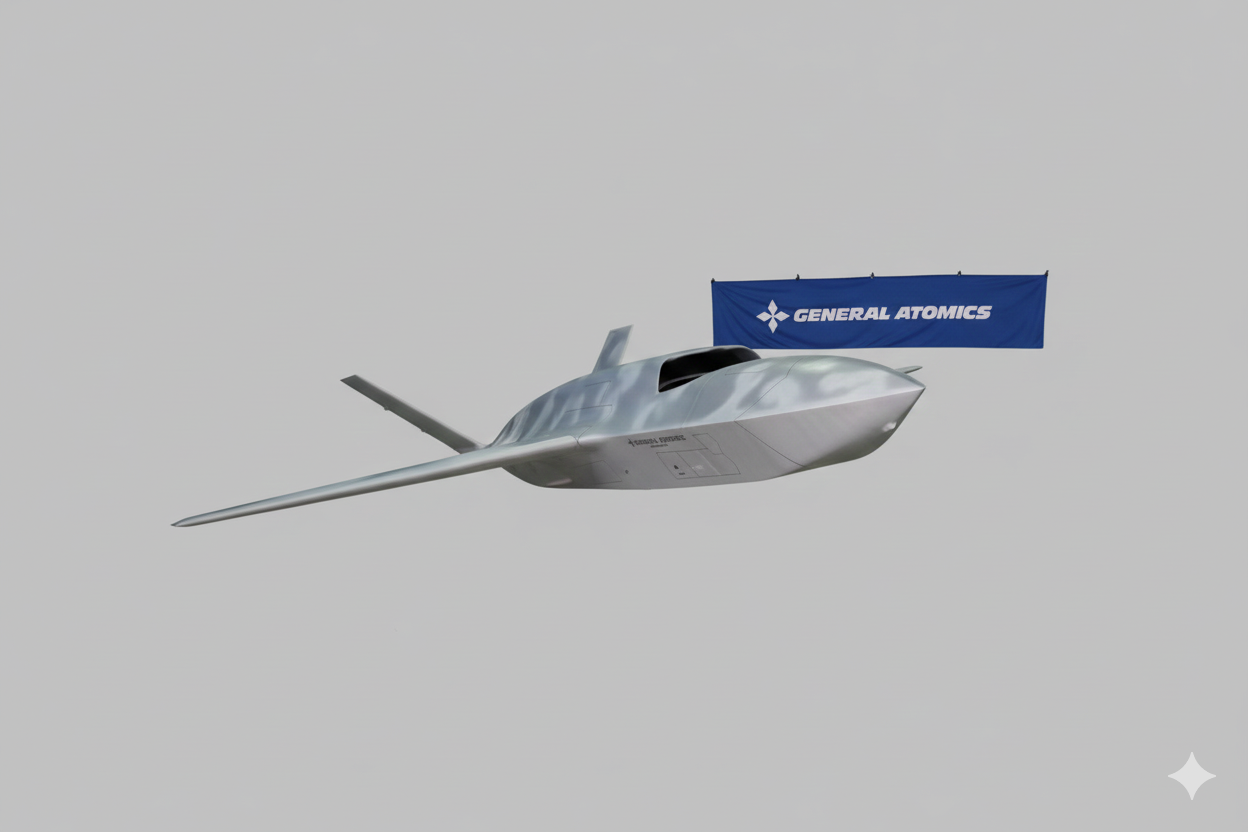
Concurrently, Munich engineers are designing an autonomous unmanned fighter jet. To expand production capacities a year ago, Helsing acquired the Swabian aircraft manufacturer Grob from Tussenhausen, and in March of this year, it secured a 25-hectare land plot in Hallbergmoos to deploy a large-scale industrial complex. The expansion will also reach the United Kingdom: in England, Helsing plans to launch a factory producing AI-controlled underwater defense systems designed for monitoring and counteracting Russian submarines.
New Leader Among German Startups Valued at Billions of Euros
Helsing’s success is not spontaneous. Already in 2025, according to an annual analysis by the consultancy EY, Helsing secured the status of the startup attracting the largest volume of fresh capital in Germany. During its previous investment round, which took place in June, the company accumulated €600 million. Spotify co-founder Daniel Ek was among the prominent investors at the time.
If the Munich enterprise successfully absorbs the stated $1.2 billion, its total market valuation will rise to an impressive $18 billion. For comparison: in 2025, according to verified data from the industry association Bitkom, the status of Germany’s most valuable “unicorn” was held by another Munich IT company—Celonis, whose value was estimated at $13 billion. As a reminder, the term “unicorn” in the business press refers to private startups with a capitalization exceeding $1 billion.
Bavaria as a whole retains its status as a key incubator for high-tech businesses. The top list of the country’s leading young companies features many Bavarian brands, such as the HR platform Personio, the transport giant Flix (the parent company of FlixBus), the drone systems developer Quantum Systems from Gilching, as well as the popular neobroker Trade Republic, which was created in Munich but is currently legally based in Berlin.
Statistics confirm the fierce competition between Germany’s two main metropolitan areas. According to 2025 EY data, Berlin firms attracted €2.7 billion in venture investments, while Munich firms pulled in €2.5 billion. However, when examining regional indicators, Bavaria as a whole confidently outperforms Berlin with a result of €3.3 billion. Baden-Württemberg firmly secured third place by a wide margin, with its companies raising €0.9 billion. At the same time, experts note that on a macroeconomic scale, German startups continue to face systemic difficulties caused by a general shortage of major European investors in late-stage financing.
An analysis of the sector structure shows that the software development sector traditionally dominates: in 2025, it accounted for nearly €2.7 billion out of the total €8.4 billion in Germany-wide investments. Nevertheless, a tectonic shift toward the defense industry has emerged. While EY analysts estimated the total volume of venture capital in the German defense sector at around €450 million, the real figures turned out to be higher due to mega-deals. Two Munich companies, Helsing and Quantum Systems, closed rounds totaling nearly €1 billion in a single period (€600 million went to Helsing, and €340 million to Quantum Systems).
The anticipated new round for Helsing finally confirms the trend: the focus of the world’s largest funds is shifting toward military-tech, reflecting the venture market’s adaptation to long-term changes in the global security architecture.