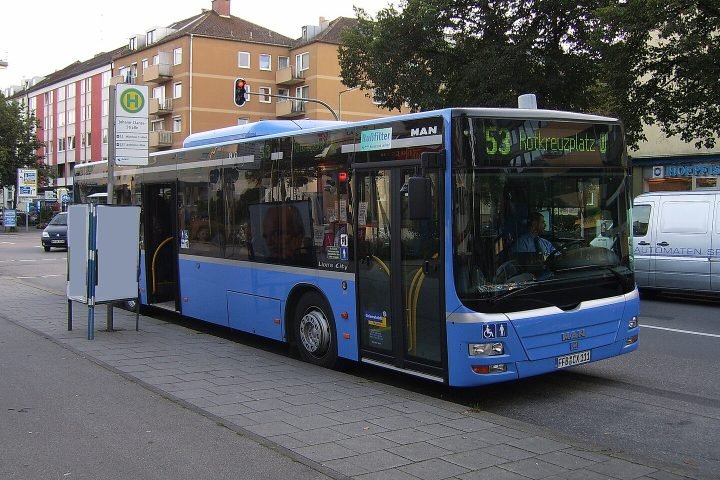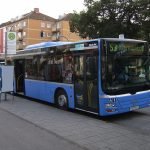

Munich – Anyone traveling around Munich is familiar with the large line buses operated by the Munich Transport Company (Münchner Verkehrsgesellschaft – MVG). Now, MVG is testing a smaller variant with an electric drive. These new vehicles are intended to better connect outlying areas or tight urban quarters to public transport in the future. It’s also conceivable that autonomous buses without drivers could be deployed in the future.
New MVG Electric Buses in Munich – Rides are Free During the Test
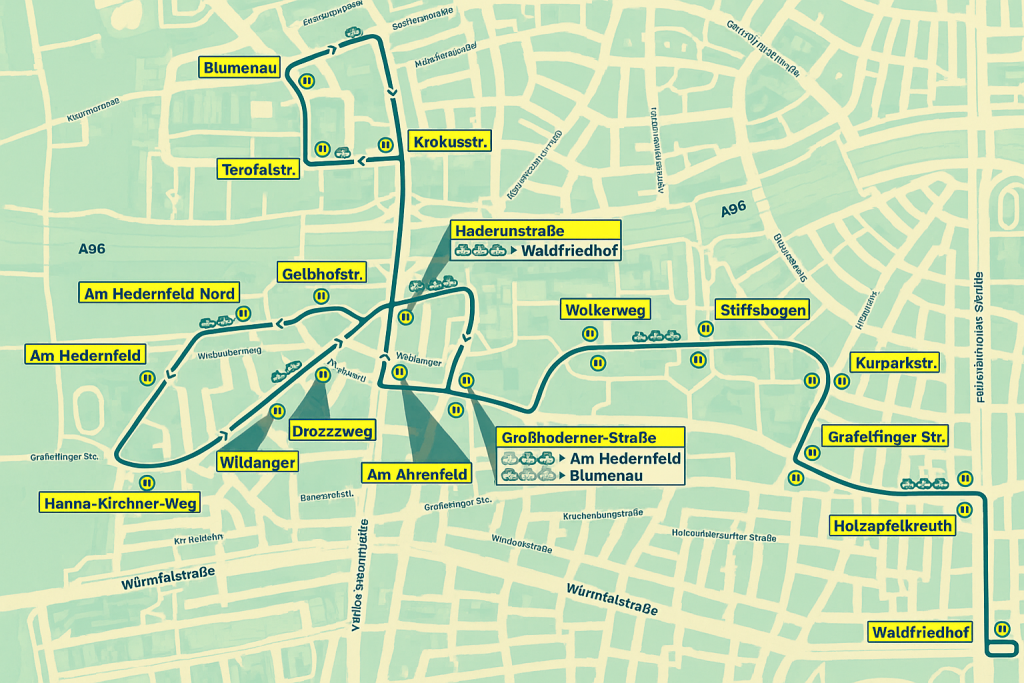
The new electronic minibuses with a driver will initially be tested until October 24th as additional vehicles on line 167 in Hadern. During this time, the ride is even free of charge, MVG announces. During the test operation, a service every 60 minutes is planned. However, this will not cause any timetable changes for the actual line 167. The MVG app allows users to check the live positions of buses and trams in Munich.
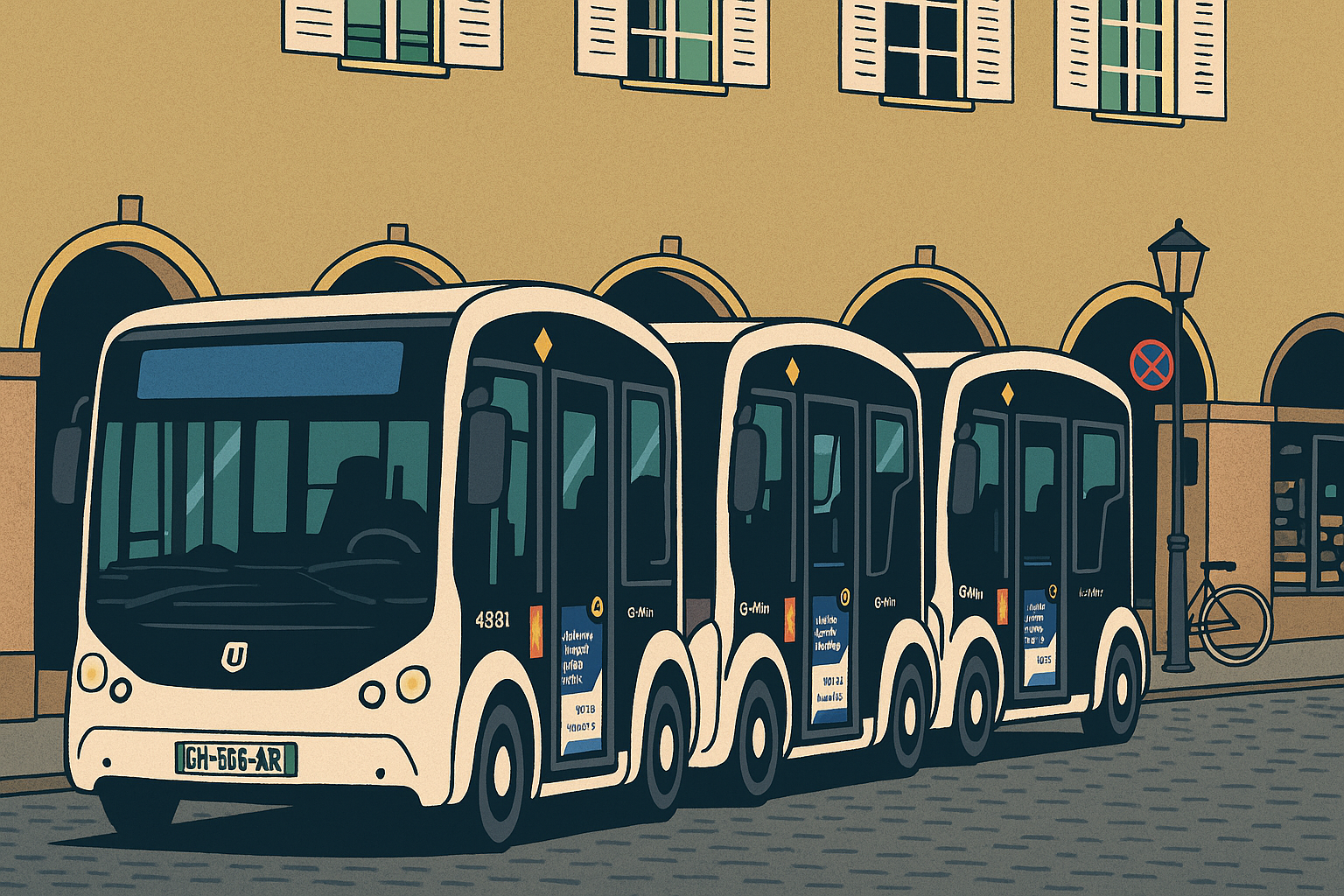
Up to 10 passengers can find space in the e-buses. Furthermore, they are reported to be barrier-free and offer the possibility to transport strollers and wheelchairs.
Buses Can Be Connected and Separated – Currently Operating in Hadern
A special feature is that up to three buses can be coupled together. This is intended to allow the new vehicle types to also serve sections with higher demand – and to separate again if needed. MVG buses already offer a special service that hardly anyone knows about.
Autonomous Buses Without Drivers in Munich Soon?
With these small and more agile buses, MVG aims to improve its service. This could be possible, for example, from early 2026 between Neuaubing and Freiham. Until now, there have still been restrictions on 17 MVG bus lines in regular operation.
However, the test is also intended to provide additional insights for driverless shuttles. According to the information, these autonomous vehicles with similar capacity could also initially be deployed on the outskirts of the city.
MVG references manufacturer information stating that the first driverless minibuses could already be approved and serially produced in 2027/2028. This would enable a larger and more flexible service at a similar cost. For instance, early or late service times and areas on the fringe of Munich could be better served.

Latest Posts