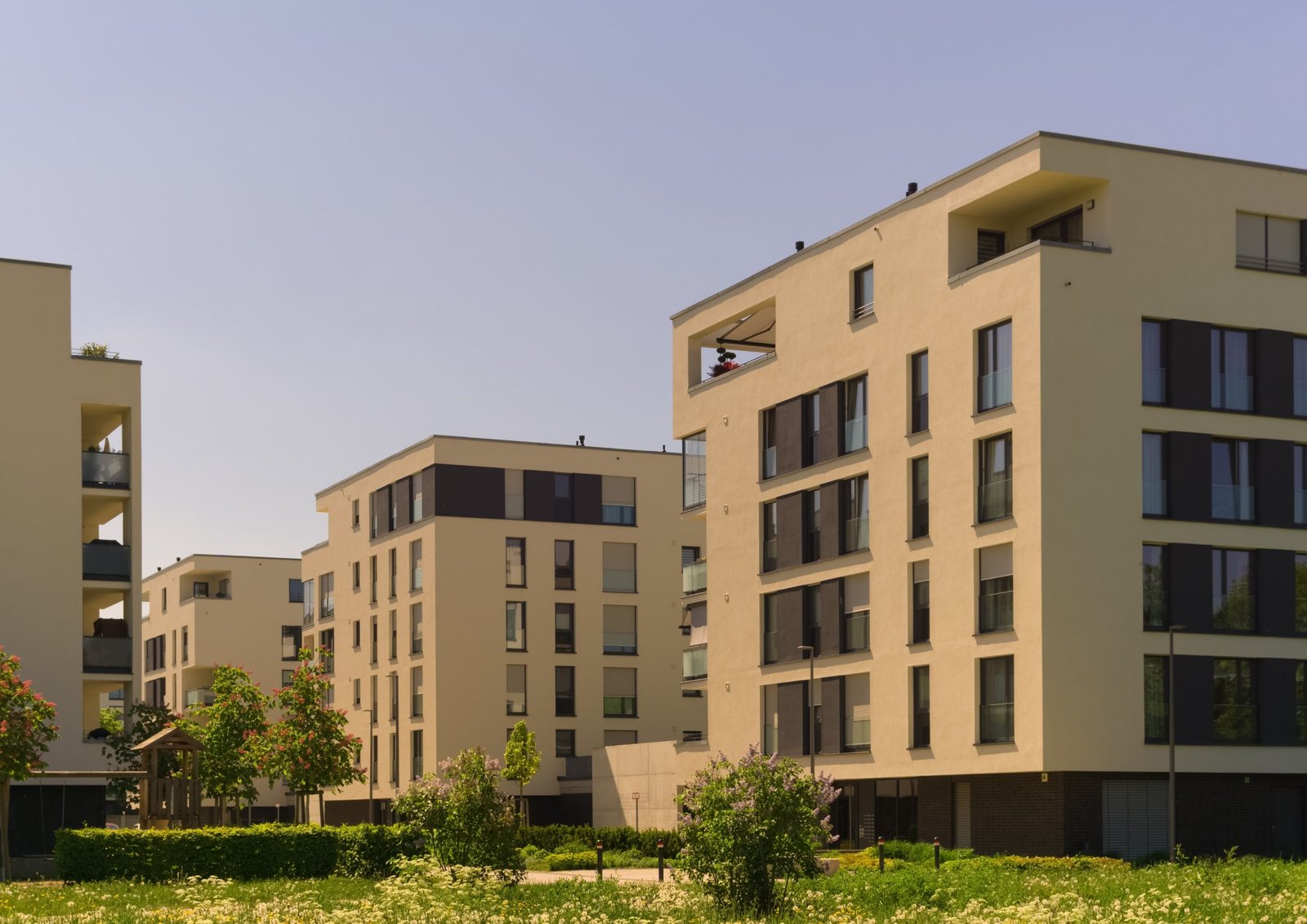

In a situation where every square meter is strictly accounted for, the Munich administration has focused its efforts not only on erecting new buildings but also on the strict control of the intended use of already available apartments. The results of this work for 2025, presented to the social committee on Thursday, April 23, demonstrate significant progress in the fight against the shadow real estate market.
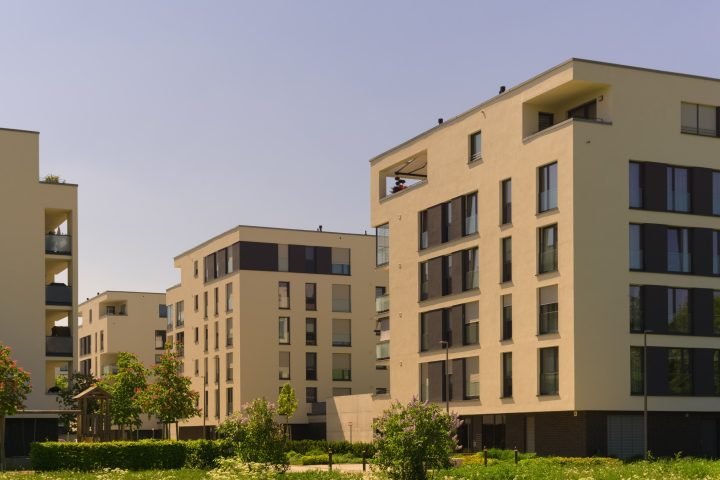
During the reporting period, the Social Department managed to protect 507 housing units from illegal misappropriation. These apartments were moved out of the “gray zone” and returned to the regular long-term rental market, which served as an important signal for the citizens. The total area of the rescued objects exceeded 30,000 square meters — a volume comparable to an entire residential quarter. Experts estimate that independently constructing an equivalent amount of housing would have required a colossal investment of 200 million euros from the city budget.
The primary tool for identifying violations was civic vigilance, bolstered by modern digital services. Throughout 2025, 1,225 reports of suspected misappropriation of real estate were received via a specialized online portal that has been operational since 2018. After filtering out duplicate signals, it turned out that practically every second investigation concluded with the identification of numerous violations, including tax-related ones. The highest level of activity from whistleblowers was recorded in the Neuhausen-Nympherburg district, where the problem of vacant premises is particularly acute.
City legislation clearly defines violations: residential premises cannot be used for permanent commercial activity (short-term rentals), long-term vacancy, or regular rental to tourists through platforms like Airbnb without obtaining a special permit and paying taxes. In addition to returning apartments to legal operation, the fight against violators brought in direct financial income. In 2025, the city treasury was replenished by approximately 1.2 million euros through the collection of penalties and fines. These funds are planned to be directed toward the further development of social housing programs.
Political Position: Social Democrats Insist on Introducing a Permit System and Restrictions for Tourist Apartments
The city’s political establishment actively supports the current course while calling for even more systemic changes. Sophie Langemeier, representing the Green Party, emphasized the difference between one-time help to tourists and professional business: “We are not against students who rent out their room once for two weeks during their absence. However, a situation where apartments are used as short-term tourist accommodation or intentionally taken out of operation is unacceptable.” Special attention in the report was paid to the problem of so-called “medical tourism,” where housing is rented en masse by foreign clinic patients, depriving local residents of the opportunity to find a roof over their heads.
The SPD (Social Democratic Party) faction sees the solution in strengthening the legislative framework. Christian Köning, the faction leader, insists on tightening inspections and a mandatory permit system for short-term rentals. It is proposed to limit the possibility of renting out housing to tourists to a maximum of 8 weeks per year. According to politicians, such measures will not only simplify the control procedure but also set a precedent for other Bavarian cities forced to protect the interests of tenants in an overheated market.
Conclusions
The results of the Social Department’s activities over the past year confirm that administrative control is an effective supplement to construction programs. Returning 507 apartments to the rental market without a single euro invested in construction is a significant victory for a rational approach over commercial abuses.
While political discussions regarding limits for Airbnb continue, Munich is setting a precedent where the interests of residents are placed above the short-term profits of landlords. In a climate where the cost of land and materials is constantly rising, protecting the already existing housing stock becomes a strategic priority for the city, allowing it to maintain social balance in one of Europe’s most expensive metropolises.

Latest Posts