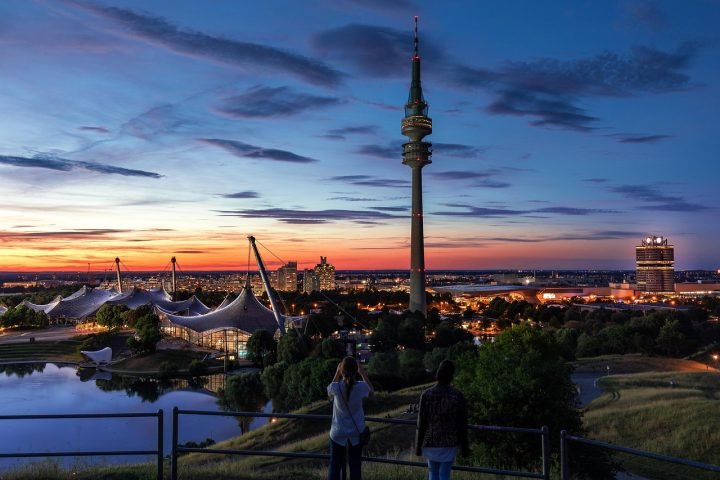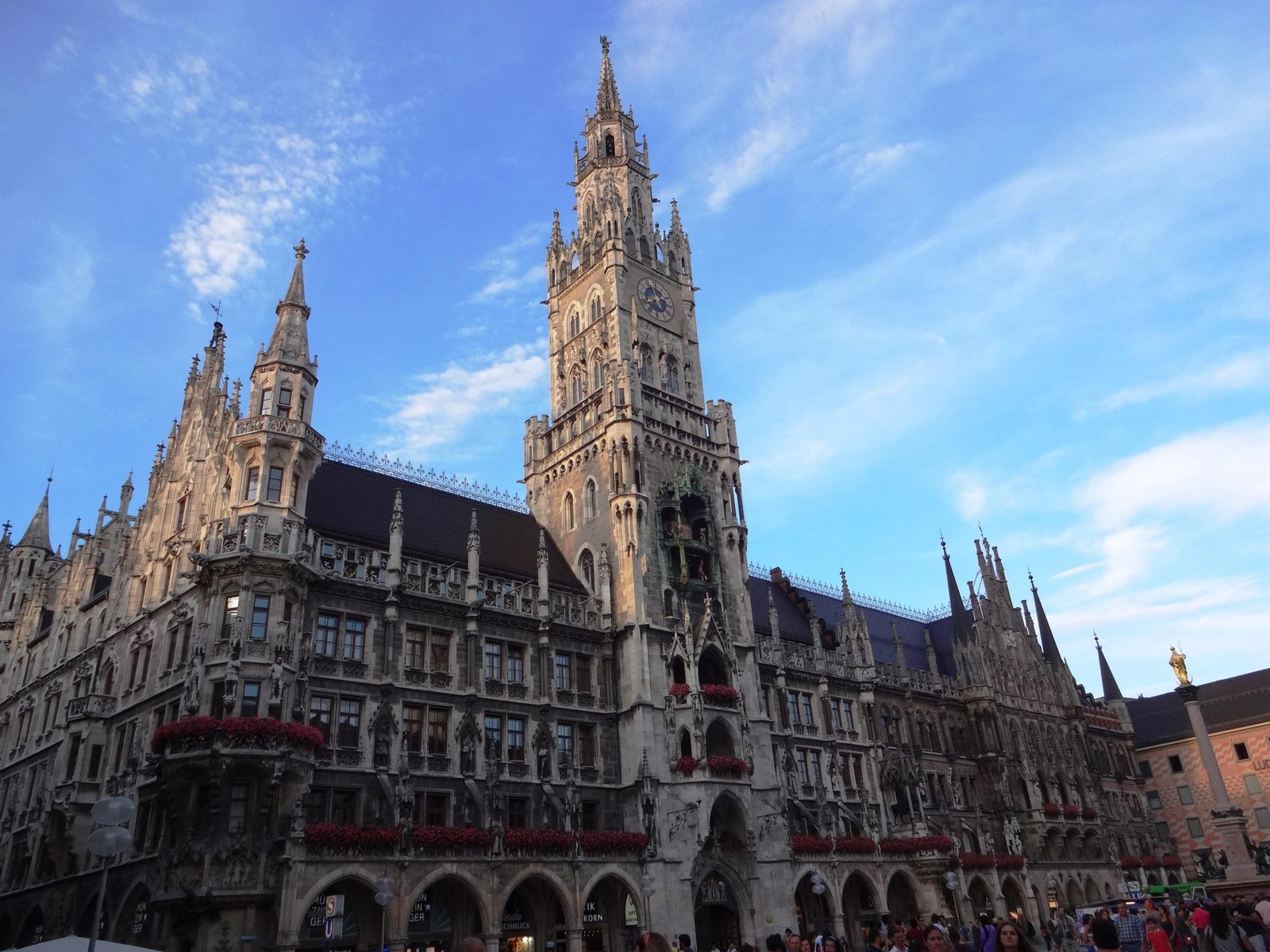

Despite maintaining a powerful industrial foundation and being home to giants like BMW and Siemens, Munich was outpaced by Berlin and Hamburg. This shift in the rankings is based on a comprehensive evaluation of key indicators, with the most decisive factors being Gross Domestic Product (GDP) dynamics and the concentration of major corporate headquarters within the metropolises.
In the current comparison of cities—presented by experts from the SIXT ride service—Munich scored 47 out of a possible 55 index points. With a population of approximately 1.51 million, the city demonstrates a high degree of economic engagement, with the number of officially employed residents exceeding 970,000. According to statistical data, the annual GDP of the Bavarian capital stands at €138.5 billion, confirming its status as one of the most significant financial centers in the Federal Republic.
The Influence of Major Corporations on Munich’s Economy
Global corporations headquartered in Munich continue to play a fundamental role in ensuring the region’s stability. Key positions are held by:
- BMW AG: The automotive leader driving local manufacturing and innovation.
- Allianz SE: One of the world’s leading insurance groups providing financial stability.
- Siemens AG: A technology powerhouse contributing to the region through industrial automation and the digitalization of production chains.
The analytical report notes that the presence of these companies guarantees the city’s international competitiveness and resilience against global economic challenges. Munich’s modern model successfully integrates traditional heavy industry, a high-tech service sector, and a rapidly growing startup ecosystem, creating a unique business climate.
Ranking Leaders: Berlin and Hamburg
In the current period, only two German metropolises demonstrated indicators surpassing those of the Bavarian capital:
- Berlin (1st Place, 54 points): Germany’s capital, with a population of 3.78 million, generated a GDP of €178.92 billion. Berlin currently hosts 869 of the country’s leading enterprises, underscoring its status as a political and business powerhouse.
- Hamburg (2nd Place, 52 points): The Hanseatic city led the nation in the number of top companies based there, reaching 1,084 units—the highest figure in the country in recent years. This high business density, combined with its port logistics, allowed Hamburg to pull ahead of Munich in the overall standings.
Positions of Other Major Cities
Following the top three are the financial and industrial centers that traditionally define the German economic landscape:
- 4th: Frankfurt am Main (42 points)
- 5th: Cologne (39 points)
- 6th: Düsseldorf (33 points)
- 7th: Stuttgart (32 points)
The bottom of the top ten is occupied by Hanover, along with Nuremberg and Bremen, which shared ninth place. To form the list, experts utilized data from the Statista portal, relying on four objective criteria: total population, GDP volume, the number of large employers, and the number of officially employed citizens. The study was initiated amidst growing audience interest in regional economic resilience under current global conditions.

Latest Posts