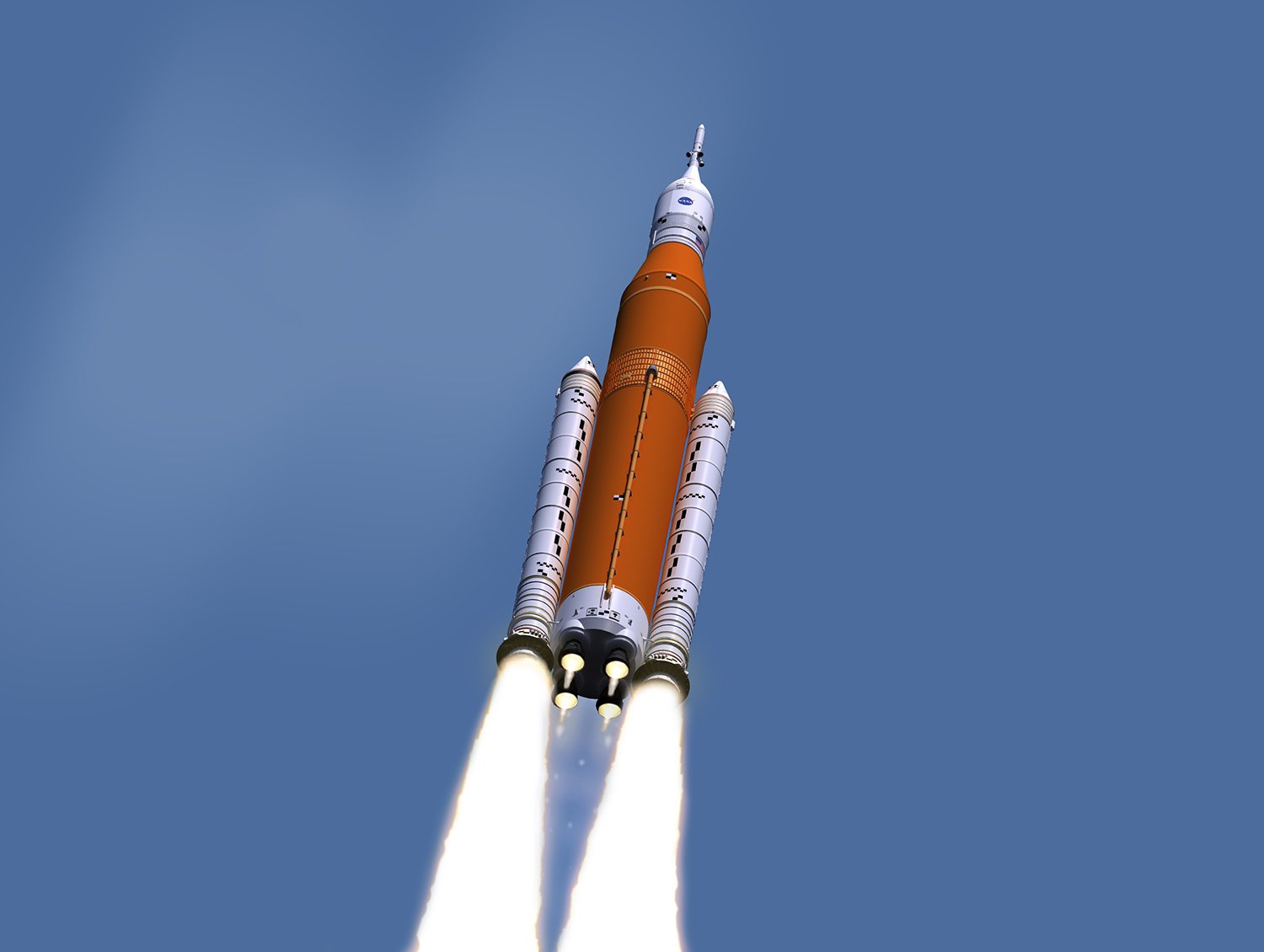

This Wednesday, NASA aims to launch the first crewed mission to the Moon in 54 years from the Cape Canaveral Space Force Station. The mission, designated Artemis II, serves as the critical final test before humanity’s official return to the lunar surface.
While this mission will not include a lunar landing, its objectives are paramount: four astronauts will perform a complex flyby of the Moon to validate the Orion spacecraft’s life-support systems in a deep-space environment. The ten-day journey concludes with a splashdown on Earth, paving the way for a scheduled lunar landing in 2028. NASA’s long-term vision is to establish a sustainable human presence on the Moon, utilizing it as a permanent base for scientific discovery and a stepping stone for future missions to Mars.
During Tuesday’s final pre-flight briefing, NASA officials confirmed that all systems are “go.” Despite the technical readiness, the launch remains subject to the whims of Florida’s weather. Dense cloud cover or high-altitude winds could potentially scrub the attempt.
Barring weather or last-minute technical anomalies, the massive Space Launch System (SLS) rocket, carrying the Orion capsule, is scheduled for liftoff on April 1 at 6:24 PM local time. Should Wednesday’s attempt be delayed, NASA remains prepared for subsequent tries, with the current launch window remaining open for an additional six days.

Latest Posts