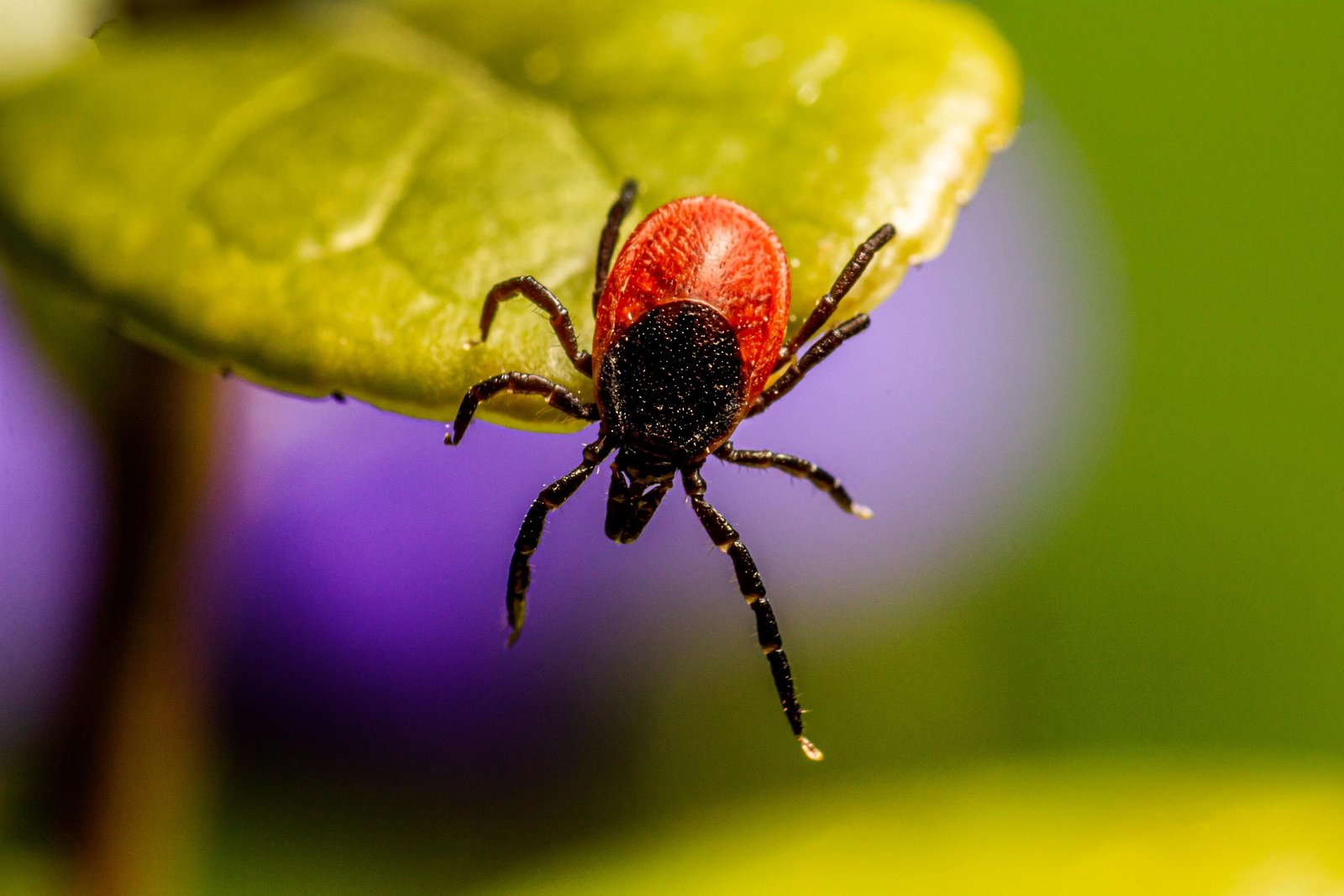

These parasites bring potentially dangerous pathogens, a phenomenon scientists directly link to global climate change. Ticks are an evolutionary success story, having existed since the era of dinosaurs. Today, these survival experts are expanding their geography: rising average temperatures and mild winters allow heat-loving species to establish themselves in regions that were previously too harsh for them.
Hyalomma hunter: a tropical guest with striped legs
The Hyalomma tick is drawing particular attention. Originally native to Africa and Southern Europe, this species is now regularly brought to Germany by migratory birds. Physically, it differs significantly from local relatives: Hyalomma is much larger and possesses characteristic striped legs. Its behavior is also unique. Unlike the common wood tick, which passively waits for a host in the grass, Hyalomma is an active hunter. It can detect a target from several meters away and, like a spider, run rapidly toward it.
The primary danger of Hyalomma lies in its ability to carry the Crimean-Congo hemorrhagic fever (CCHF) virus. This severe disease is accompanied by extremely high fever and a risk of internal bleeding. While no human infections have been recorded in Germany as of March 2026, specialists warn of the increasing probability of such an incident as the population grows.
Hidden threats of meadow and dog ticks
The alluvial tick (meadow tick) is also actively colonizing new territories, as confirmed by data from the University of Veterinary Medicine Hannover. This parasite has a specific grey-marbled coloration. It carries the bacteria Rickettsia raoultii, which causes TIBOLA syndrome (Tick-borne lymphadenopathy). The disease is characterized by fever, swollen lymph nodes, and painful skin lesions at the bite site. Due to non-specific symptoms, diagnosis is often delayed.
For pets, babesiosis represents a serious threat. Pathogens of this disease, carried by meadow and brown dog ticks, attack red blood cells. In veterinary medicine, this ailment is often called “dog malaria.” While babesiosis usually presents in a mild form in humans, it is life-threatening for dogs and often requires lifelong therapy.
Mysterious Alongshan virus in Bavarian forests
A relatively recent discovery is the Alongshan virus (ALSV). First described in China in 2017, it has already been identified in Bavaria, Lower Saxony, and Brandenburg as of 2026. Microbiologist Gerhard Dobler from the Bundeswehr Institute of Microbiology suggests the virus may have been present in the region for some time but went unnoticed. The infection typically mimics flu symptoms: fatigue, muscle and joint pain, and nausea. Currently, scientists do not view ALSV as a critical threat but continue to study its long-term health impacts closely.
New reality: how to protect yourself and your loved ones
Climate change has resulted in a tick activity season that now lasts nearly year-round, from February to November. While a proven vaccine exists for TBE, there is currently no specific protection against most of the newly arriving viruses. In this environment, personal vigilance is paramount.
To minimize risks, it is recommended to:
- Wear closed clothing and use repellents when spending time in nature;
- Conduct a thorough check of the body and pet fur after every walk;
- Remove any attached parasite immediately using fine-tipped tweezers or a tick removal card.
The Robert Koch Institute and other specialized agencies are continuously monitoring the situation. As warming continues, the landscape of infectious risks in Germany will continue to transform, requiring a more responsible approach to prevention from the population.Source: BR24

Latest Posts