
A new study from the employer-associated German Economic Institute (IW) highlights where the gaps are most severe—and stresses the need to support underrepresented groups, especially women and migrants, to close the workforce deficit.
Skilled Labor Gap Narrows but Remains Alarming
As of April 2024, approximately 387,100 STEM positions across Germany remained unfilled, while only 248,757 job seekers with relevant qualifications were registered, leaving a shortfall of more than 138,000 roles. However, when considering the “qualificational mismatch”—cases where applicants’ skills do not meet employers’ requirements—the actual deficit rises to around 163,600 skilled workers. A striking 89,600 of these unfilled roles are for technical specialists in STEM fields.
Although the gap has narrowed significantly since April 2023—when 234,800 STEM vacancies were recorded—this drop is not necessarily a sign of recovery. Instead, the IW attributes the decline to the current economic slowdown, which has led many companies to delay new hiring. For those still seeking skilled employees, the pressure remains intense.
Most Severe Shortages in Energy, Engineering, and Construction Sectors
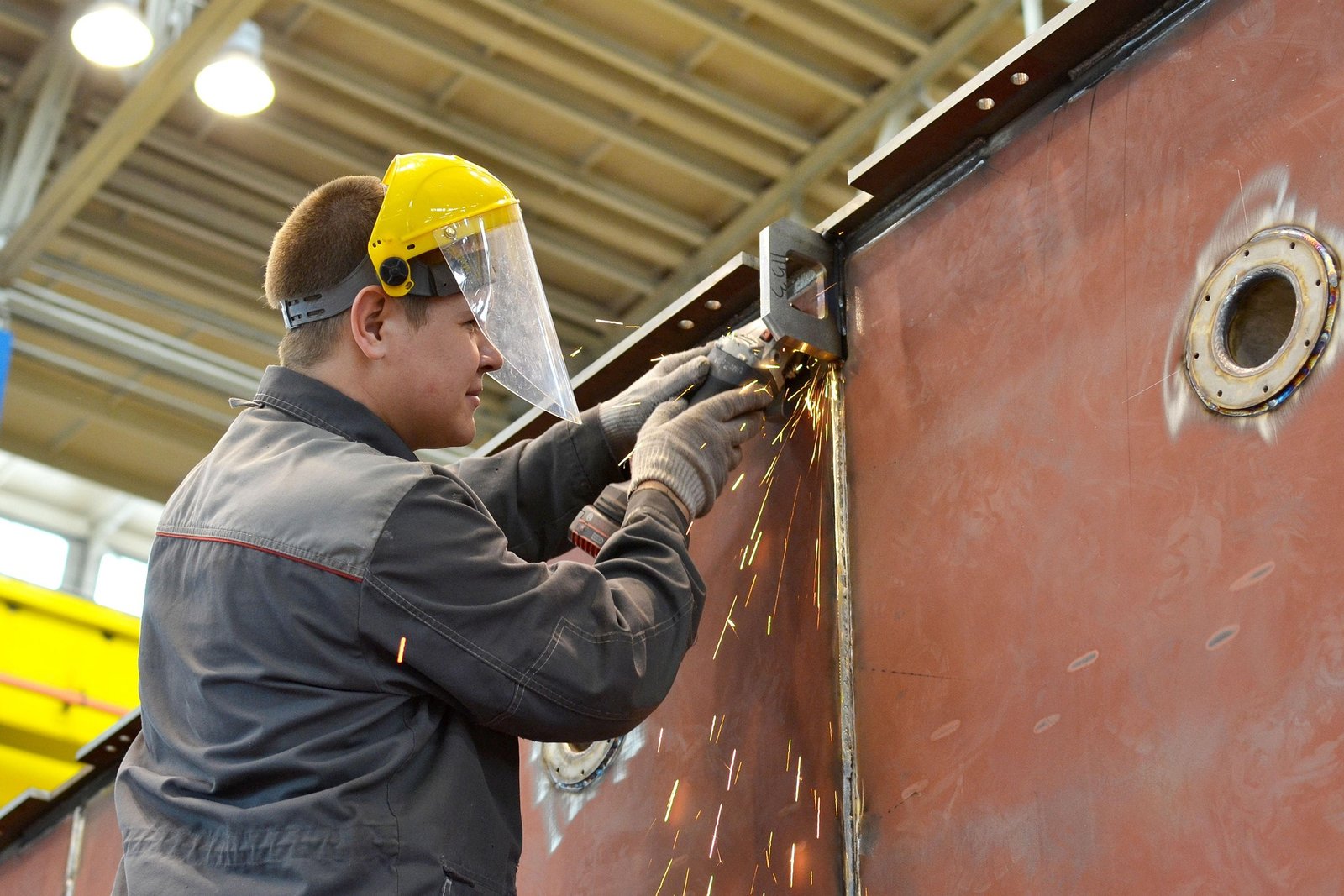
The study identifies the energy and electrical industries as having the most urgent need for workers, with 57,800 positions unfilled. Other critically affected sectors include mechanical and automotive engineering (32,400 vacancies), construction (26,100), and metalworking (24,200). The IT sector is also facing a shortfall, with around 11,200 vacancies currently open.
According to IW, these numbers are likely to climb in coming years due to ongoing digital transformation and the transition to greener technologies, which will require a reduced reliance on fossil fuels. Additional demand is also being driven by increasing investments in infrastructure and defense.
The report, commissioned by the Confederation of German Employers’ Associations (BDA) and the German Employers’ Federation for Metal and Electrical Engineering (Gesamtmetall), underscores the strategic importance of STEM professions for Germany’s future competitiveness. It also notes their financial appeal, with the median gross monthly wage in STEM fields reaching €4,498—well above the national average of €3,796. University graduates in these fields earn even higher salaries.
Tapping Into Untapped Labor Potential
Bertram Brossardt, Managing Director of the Bavarian Industry Association, emphasized the pivotal role STEM workers play, particularly in the metal and electrical industries, where they account for 41.5% of the workforce. He called for increased efforts to mobilize untapped labor potential, especially among women, who remain underrepresented in these fields. Between 2011 and 2021, the share of women with a STEM university degree in the workforce rose by only 3.6 percentage points to 23.8%.
Brossardt also urged policymakers to streamline immigration procedures to attract more qualified professionals from abroad. Removing bureaucratic obstacles would allow the labor market to better harness this international talent. IW data show that if foreign STEM professionals had joined the workforce at the same rate as their German counterparts since 2012, the current gap would be 474,700 workers larger.
Unions Call for Investment in Training and Fair Conditions
The Bavarian branch of the German Trade Union Confederation (DGB) also emphasized the need for a comprehensive approach to closing the skills gap. Union chair Bernhard Stiedl argued for expanded vocational training opportunities, better working conditions, and targeted efforts to support women, older workers, and people with migration backgrounds.
Stiedl criticized employers who publicly lament a lack of skilled labor but simultaneously fail to offer enough apprenticeships or pay fair wages according to collective bargaining agreements.
Conclusion: Long-Term Strategy Required to Address Labor Shortage
Germany’s labor market challenges are complex, but one message is clear: addressing the growing demand for STEM talent will require a multi-pronged strategy. From increasing the inclusion of women and migrants to improving vocational training and removing barriers for foreign professionals, coordinated action is necessary to ensure the country’s future economic stability and innovation capacity.

Latest Posts