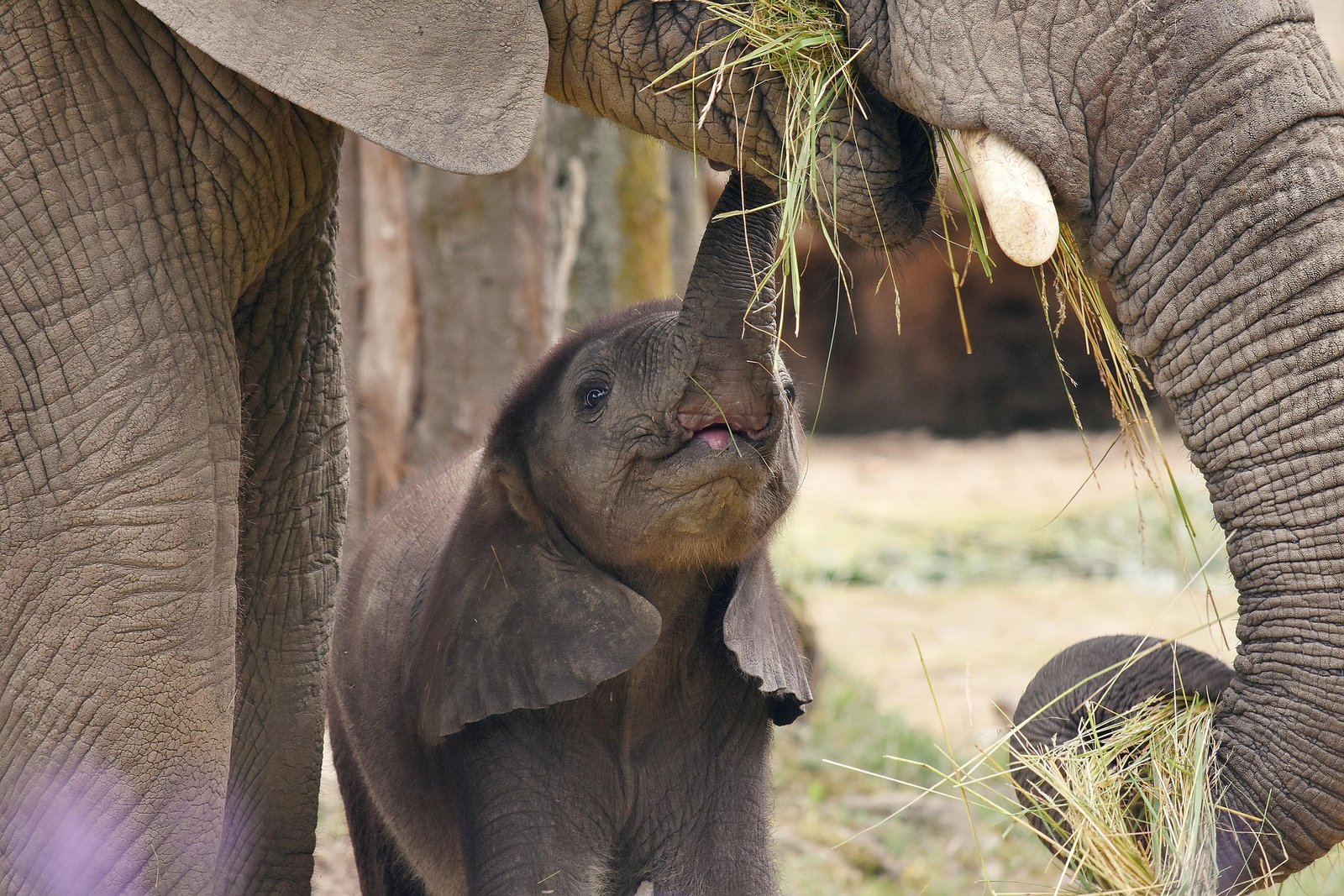

Their relocation marks a fresh start after social challenges in their previous herd, and their first steps in their new home show promising signs of adaptation.
New Beginnings for Rani and Savani in Munich
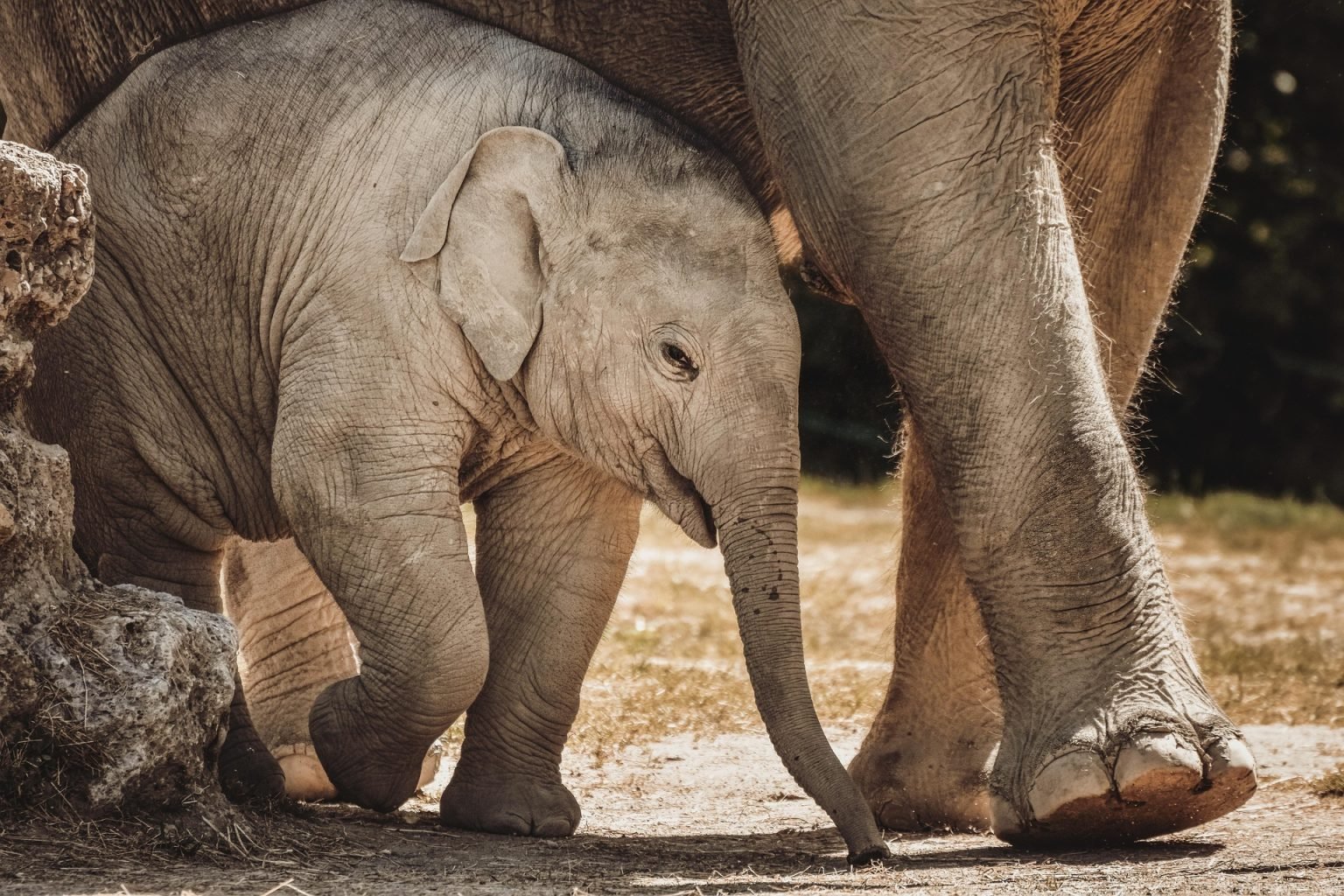
Savani, approaching her second birthday, already weighs in at 800 kilograms. She was relocated to Munich together with her mother Rani after ongoing efforts in Leipzig to integrate Rani into the local elephant herd proved unsuccessful. According to keepers, Rani struggled to settle in due to social tensions, particularly with the dominant lead cow in Leipzig.
Now in Munich, the mother-daughter pair is being carefully introduced to their new environment. On Wednesday, just one day after their arrival, they were allowed to explore Hellabrunn’s outdoor elephant enclosure—initially separated from the other elephants to give them time to adjust.
Encouraging First Impressions in New Surroundings
Rani and Savani moved confidently through the outdoor space, exploring multiple areas and using their trunks to forage for hay and treats scattered by the keepers. While they avoided the water basin for now, they showed signs of comfort and curiosity. Savani stayed close to her three-ton mother, mirroring her movements and behavior. The two also took a moment to rest together, playfully tossing dust and sand over their backs using their trunks.
For Daniel Materna, head of the elephant house, these early behaviors are a positive sign. He will be working closely with the pair in the coming months. “Social hierarchies are a natural part of elephant life,” Materna explains. “Elephants are social animals, but they follow strict rankings.” This hierarchy was a key factor in Rani’s difficulties integrating in Leipzig, where conflicts with the dominant female limited her acceptance within the herd.
More Supportive Herd Structure in Hellabrunn
Hellabrunn offers a more balanced social structure. The current elephant group—consisting of females Temi and Mangala, bull Gajendra, and young Otto—does not have a strongly dominant matriarch. This may make it easier for Rani to establish her place in the group. Their first interaction, though still separated by a barrier, went well.
Positive First Encounter Through the Bars
“The elephants were very curious about each other,” says Materna, describing the initial meeting, which took place through safety gates. Full integration is expected to follow in the coming days, progressing gradually and under close supervision by zookeepers. “We let the elephants guide the process. Their behavior determines the pace.”
One particularly exciting development: young Savani, who grew up with three older siblings in Leipzig, may soon have a new playmate in Otto, Hellabrunn’s four-year-old bull calf. Their potential friendship could support Savani’s adjustment and create new dynamics within the herd.
As integration efforts continue, Hellabrunn is hopeful that Rani and Savani will soon feel fully at home—marking a successful beginning for the zoo’s newest elephant duo.