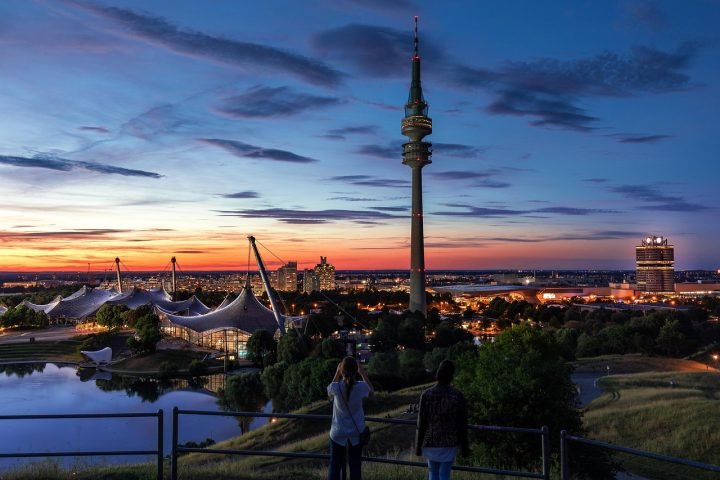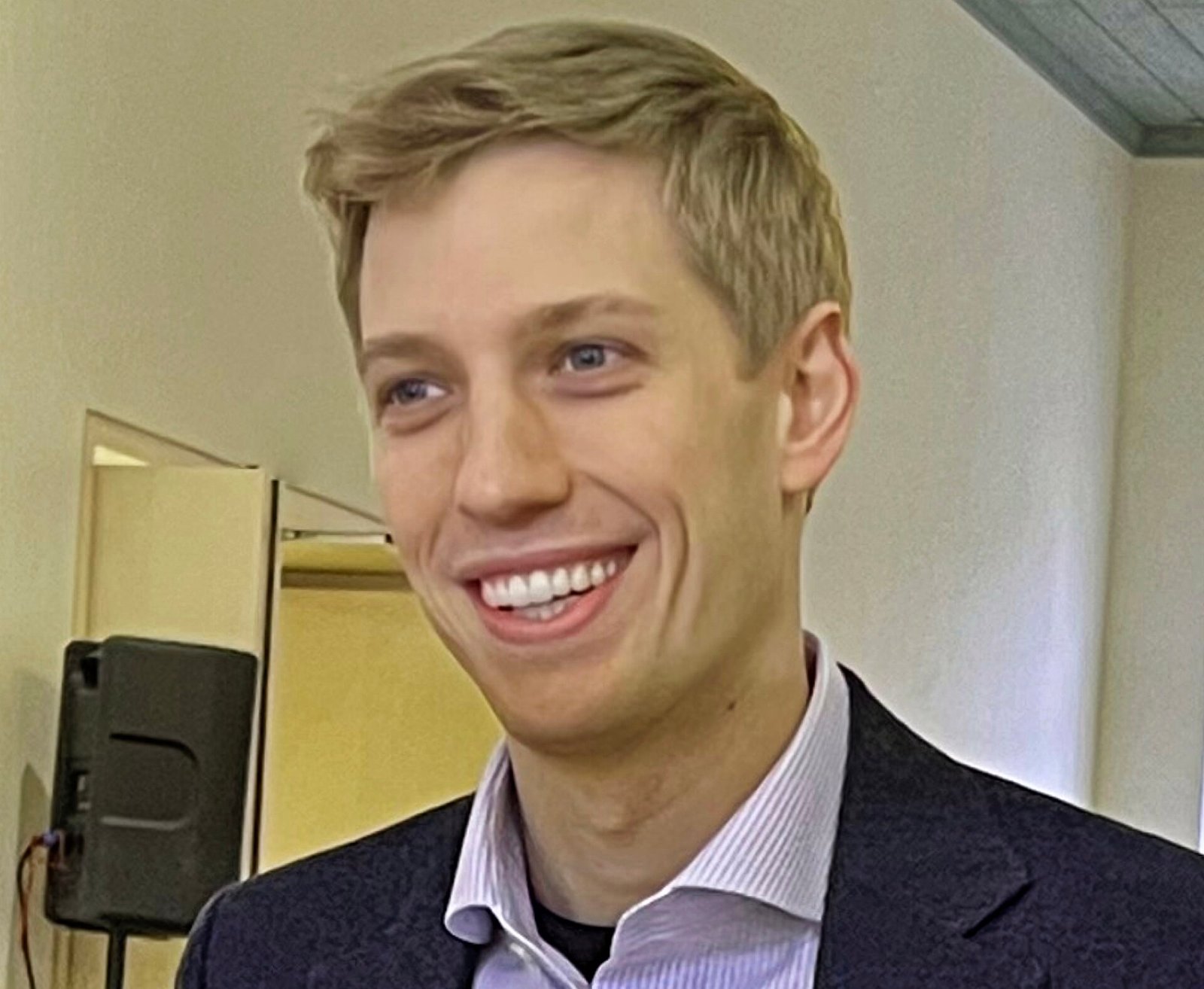

Now, Munich residents will evaluate his every action against these campaign promises. A new management culture, tough opposition to housing market speculation, and the creation of 10,000 new apartments based on abandoned offices form the foundation upon which the Green politician plans to build the metropolis’s future. The activities of the new Lord Mayor in the near future will be viewed exclusively through the prism of these seven key directions.
First of all, Krause intends to radically reform the atmosphere and management culture within the walls of the Munich town hall. The previously existing cumbersome format of referents’ meetings is to be transformed into a dynamic collegiate city cabinet. In this new structure, decisions will be made significantly faster, and each participant in the process will bear personal responsibility for the result. In the mayor’s deep conviction, the city must minimize the enormous time spent on endless approvals, which until now were caused only by the collective fear of officials regarding possible mistakes.
Second life for concrete: offices will turn into housing
In solving Munich‘s most acute problem—the catastrophic housing shortage—Krause is betting on an unconventional approach: repurposing vacant commercial real estate. Currently, an impressive 1.8 million square meters of office space is not being utilized in the city. The politician estimates the potential for creating a modern residential fund on these sites at approximately 10,000 apartments.
A special specialized agency, created within the planning department, will handle this large-scale task. The legal pillar for the project will be the new paragraph 246e of the German Building Code (BauGB), which allows municipalities to exercise flexibility and not get bogged down in the rigid building regulations of past years. Krause has already called this legislative innovation a true game-changer that will allow building where it was previously prohibited.
Parallel to this, the new head of the city intends to transform the municipal advisory service for tenants into a powerful central body to combat unreasonable price increases. In the future, the city plans to independently monitor rental advertisements in a digital format and impose significant fines on unscrupulous landlords.
As Krause emphasizes, rents in Munich have jumped by more than 50% on average over the last 15 years. However, until now, most residents avoided open legal disputes, fearing sudden contract terminations or ruinous lawsuits. Now, the city administration will take over the protection of their rights.
War on bureaucratic monsters and traffic congestion
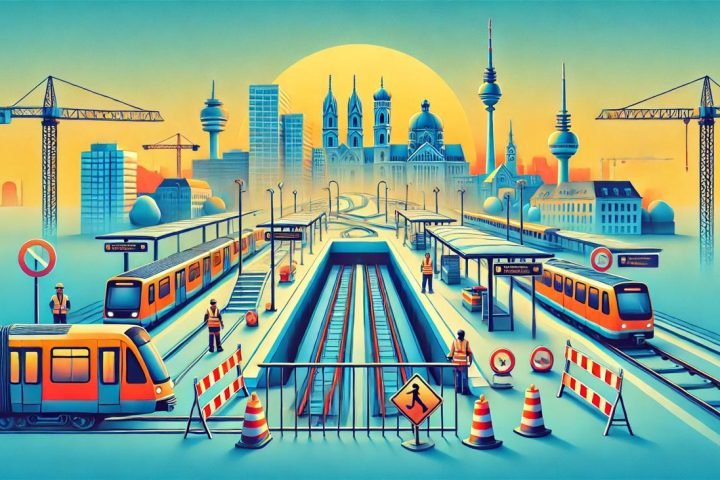
Krause also included the problem of endless road works in his list of priorities, understanding how much they poison the lives of citizens. Where technically feasible, exhausting months-long traffic restrictions will be replaced by short-term but full closures of sections—to finish repairs as quickly as possible.
Inspired by the successful example of Heidelberg, the mayor also plans to create a special support fund. These funds will help small business and retail representatives whose shops are located next to construction sites with marketing and attracting customers during this difficult period.
To support the Munich economy, Krause announced the launch of a roundtable on debureaucratization. One of the main innovations will be the implementation of the Once-Only principle: companies will only need to submit documents to an agency once, and the administration will handle all other inter-agency approvals internally. Additionally, the launch of an ironic but useful contest, “Bureaucratic Monster,” is planned. Within this initiative, any entrepreneur or resident can report the most absurd administrative barriers, and they can do so completely anonymously.
Transport and culture: under the mayor’s personal supervision
In the field of urban transport, Krause intends to decisively end the fragmentation of responsibilities that has slowed network development for years. Currently, four different departments and as many specialized committees deal with mobility issues, which creates confusion. The situation will be corrected by a new coordination group operating under the direct leadership of the head of the city. This will allow for strategic decisions on the development of the metro, trams, and bicycle paths without unnecessary intermediaries.
Finally, Krause plans to create a working group for the effective use of vacant territories for cultural needs, young startups, and important social projects. As benchmarks, he chose successful spaces such as Werksviertel, Kunstlabor 2, and Bellevue di Monaco. The Lord Mayor’s position here is perfectly clear: the sensible activation of already existing areas will cost the city budget significantly less than any new construction from scratch. Munich must become a city where every free meter works for the benefit of its residents.

Latest Posts