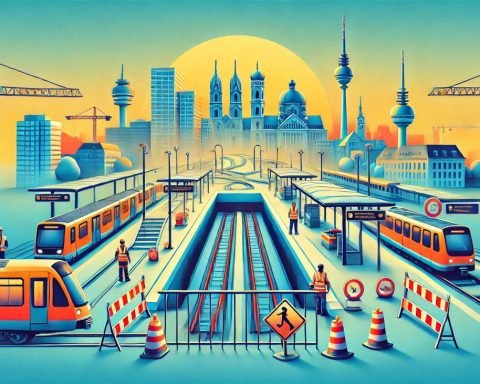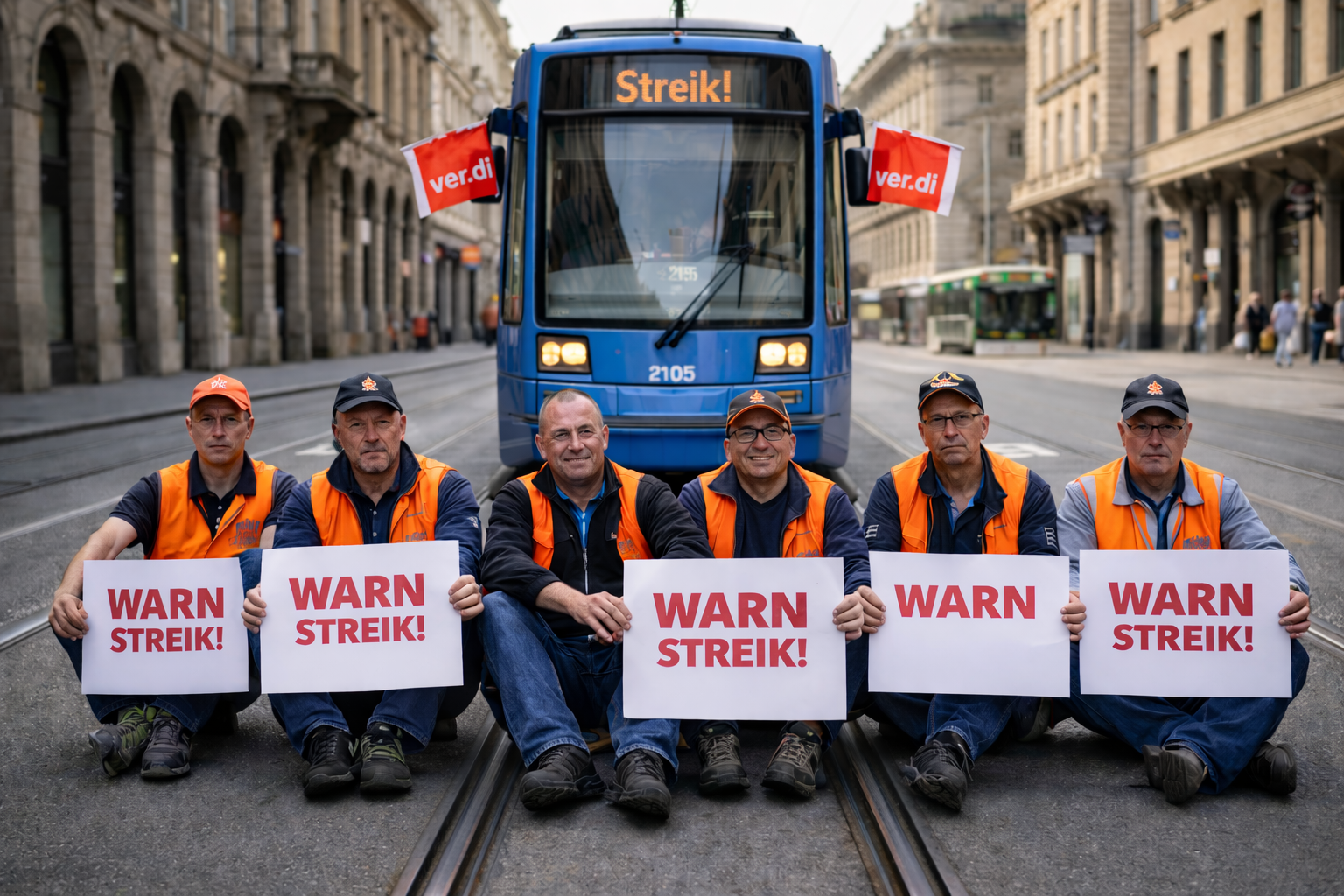

A warning strike by employees of the Munich Transport Company (MVG) is significantly disrupting the daily plans of residents, complicating transit across the city’s key hubs from the early hours.
Despite the scale of the announced industrial action, the transport collapse will not be absolute; thanks to the efforts of operational services and the engagement of third-party subcontractors, specific lines continue to function, albeit under severe restrictions.
Munich residents and visitors whose commutes traditionally rely on bus services, tramways, or the underground network will require both patience and meticulous strategic planning today. The protest action, which commenced during the morning shift, is scheduled to last until 03:30 on Wednesday morning.
This implies that critical pressure on the transport system will persist throughout the day and into the evening peak. Under these circumstances, MVG management officially advises passengers to refrain from travelling where possible, utilize alternative modes of transport, carpool with colleagues, or opt for remote working.
Trade Union Announces Limited Service Availability
For citizens whose presence at workplaces or educational institutions remains mandatory, the situation will continue to be fraught. Underground (U-Bahn) intervals are undergoing significant alterations, extending routine waiting times on platforms.
Specifically, on the high-demand U3/U6 lines, trains are scheduled to run at ten-minute intervals, restricted to the central section between Fürstenried West and Fröttmaning. An even more challenging situation is expected on the U2/U5 lines, where services will run only every 20 minutes, inevitably leading to overcrowded carriages.
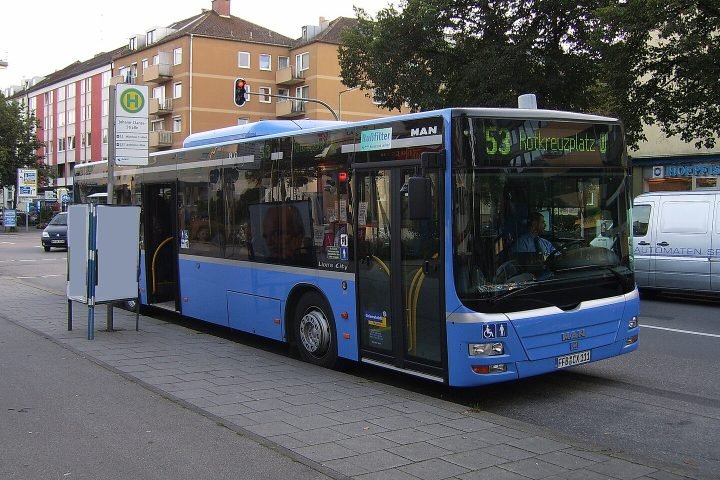
Surface transport is equally affected. The city’s tram network is represented today by only three routes—numbers 17, 20, and 25—operating with limited capacity. Bus services are functioning at only half their usual strength: a substantial portion of routes has been shifted to a 20-to-40-minute frequency, while some peripheral directions will be served only once per hour. MVG representatives are appealing to the public for patience and to account for the risk that, due to overcrowding, boarding the first arriving bus or carriage may prove impossible.
Alternative Routes
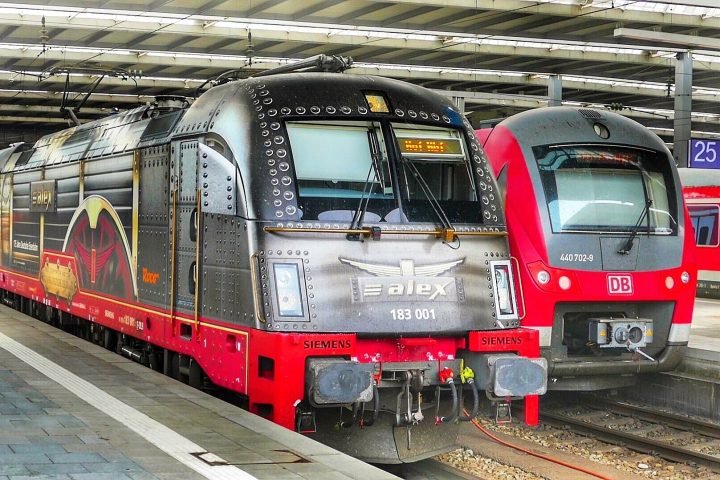
A vital stabilising factor in the current situation is that the suburban trains (S-Bahn), managed by Deutsche Bahn, as well as regional bus lines, are unaffected by the strike. These services continue to operate in strict accordance with their usual schedules, providing many passengers with the only reliable means of reaching central districts.
Given the deficit in standard service provision, experts anticipate a sharp increase in demand for taxis, ride-sharing services, and cycling. The latter, considering the April weather, appears to be the most mobile solution for traversing mid-range distances within the city. MVG intends to provide real-time updates on its official website.
Passengers are strongly urged to consult the latest schedules immediately prior to departure to avoid unnecessarily long waits at stops.

Latest Posts