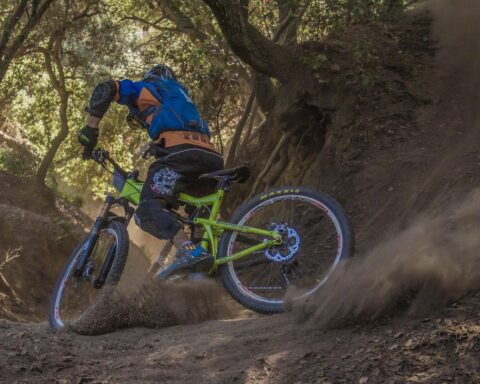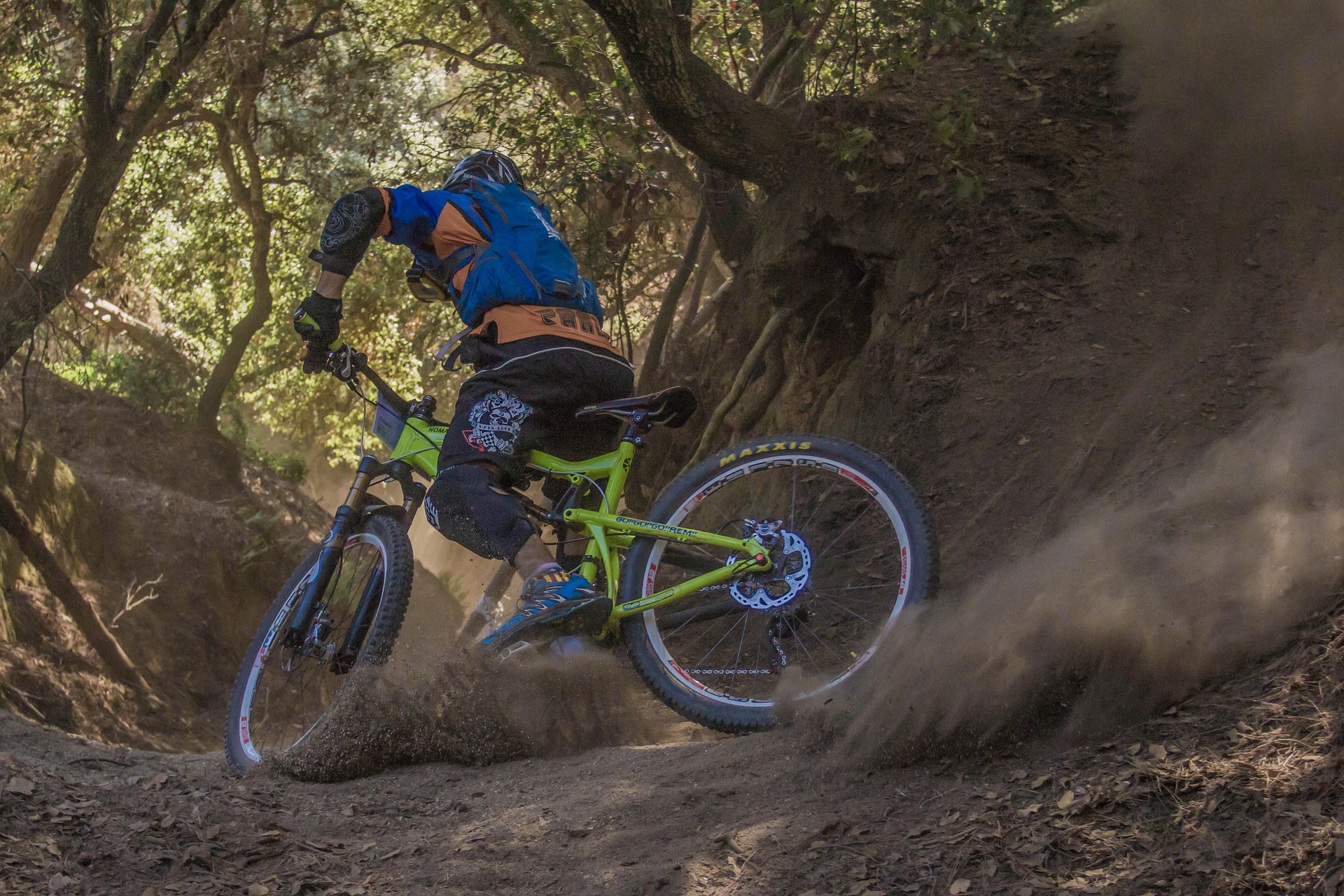

The new sports object, projected with consideration of strict safety standards, is calculated for both beginning cyclists and experienced athletes, offering a quality alternative to spontaneous venues.
Mountain bike lovers in Munich have received at their disposal a new quality venue directly within the city limits. The Construction Department, namely its profile division for landscape gardening, completed comprehensive works on the creation of specialized trails adjacent to the municipal tree nursery on Willibaldstraße.
As the Munich city services reported, the harmonious combination of a looped pump track and dirt roads of various degrees of complexity is intended for year-round training of cyclists with any level of preliminary preparation.
The entire territory of the sports complex is clearly divided into two functional zones. At the entrance, visitors are met by a circular pump track with gentle earthen waves and berms, which is ideally suited for children and those who are only mastering this type of sport. Further along the course of movement, a more complex single trail (singletrack) is arranged, equipped with two steep technical descents and special elements for jumps. The new main entrance in the north-eastern part of the venue is equipped with wear-resistant steps of natural stone and a comfortable waiting zone for accompanying persons.
The Authorities Ensured the Protection of Biotopes and Habitats of European Tree Frogs
The history of the creation of the park is connected with the solution of important ecological tasks of the district. After the cessation of the use of this territory as a soil storage for the needs of the nursery, the plot gradually became overgrown with trees, and cyclists began to independently use it for wild, unregulated riding. However, the chaotic appearance of numerous ruts and paths began to inflict serious damage on individual zones registered as protected biotopes, as well as on two ponds in the southern part, which serve as an important habitat of rare European tree frogs.
Specialists of the Construction Department reduced the number of spontaneous paths to several main regulated routes, completely eliminated dangerous intersections of paths, and equipped resting areas for athletes.
Tree Trunks, Boulders, and Fences Isolate Natural Zones from Anthropogenic Impact
To preserve the fragile ecological balance, employees of the Construction Department reinforced the borders of the protected zones with the help of natural obstacles: fallen trunks, large boulders, and the planting of dense rows of new shrubs. This will allow to guarantee the prevention of accidental or intentional entry of cyclists onto the adjacent valuable forest plots. The habitats of amphibians were protected due to the reduction of the length of the circular route and the installation of a new stationary fence. This project was developed in close cooperation with activists from among local cyclists, the public association Tretlager, experts of the Technical Inspection Association (TÜV), and the city Sports Department.
Creation of a New Reservoir on a Neighboring Plot
The head of the Construction Department, Doctor of Engineering Sciences Jeanne-Marie Ehbauer, in her official statement emphasized that this project allows to combine city sports, active recreation, and environmental protection on a long-term basis, creating a precedent of a successful compromise between urbanization and ecology.
As a compensating measure, the environmental organization Bund Naturschutz arranged a new artificial pond for the breeding of tree frogs on a neighboring land plot, supplementing it with targeted plantings of shrubs and a blooming wild meadow with an area of about 500 square meters.
The integration of similar regulated sports zones into the urban environment of Munich demonstrates the balanced approach of the municipality to the distribution of recreational resources. The creation of a legal and safe spot not only reduces the anthropogenic load on the wild nature of the Laim district but also brings the local bicycle infrastructure to a qualitatively new level corresponding to the demands of a modern megalopolis.
Source: Munich Municipality