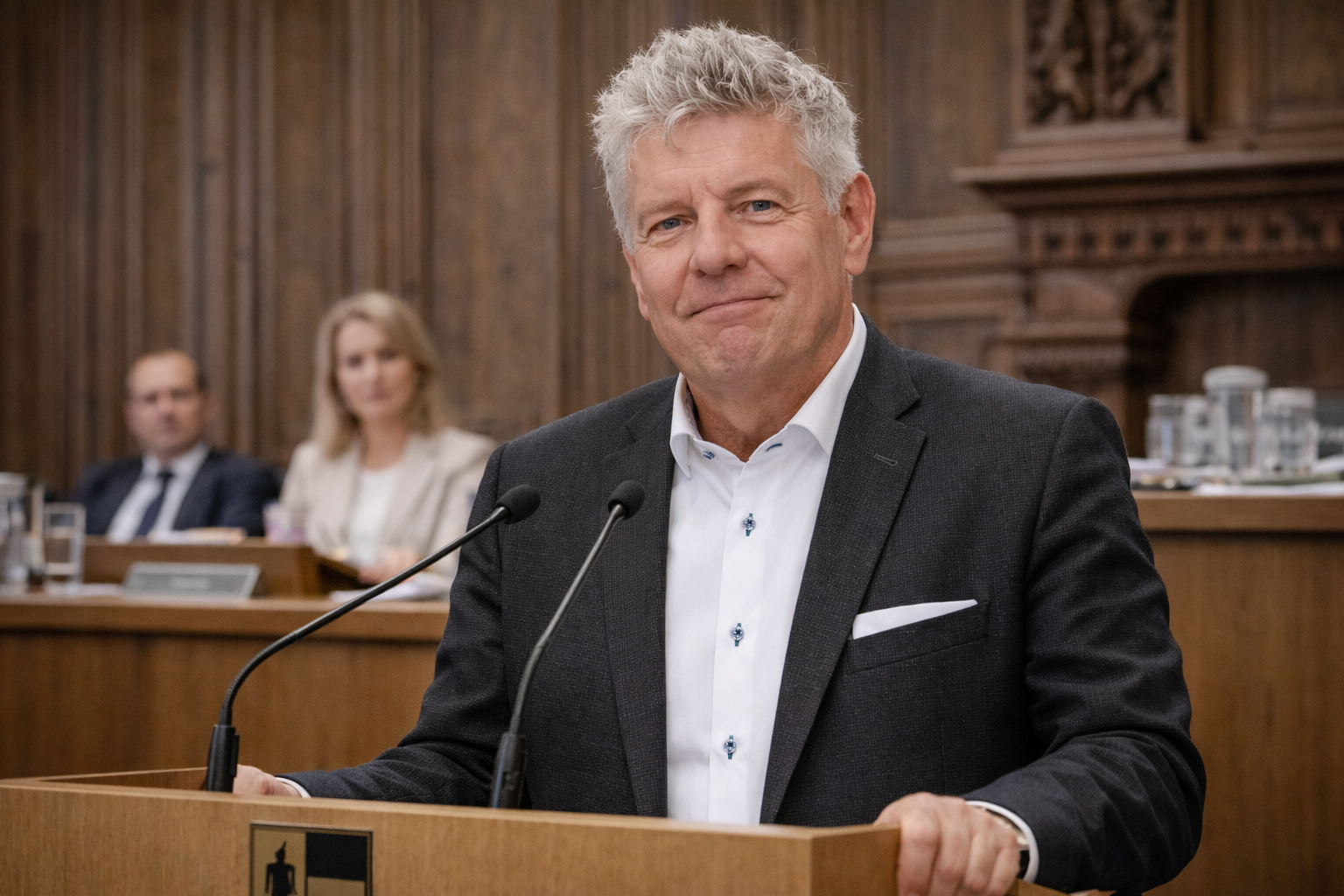

The preliminary results of the municipal elections held on Sunday, March 8, 2026, have substantially shifted the balance of power in the city hall. Dominik Krause has become the first representative of the Green Party in the city’s history to advance to a runoff for the office of Lord Mayor. His opponent is the incumbent head of the city, Dieter Reiter of the SPD — a man who for many years was perceived as the sole and undisputed center of power in Munich.
However, two weeks before the decisive vote, the question of a change in city leadership has moved from theoretical discussion to the realm of realistic forecasts. Several objective factors indicate that the political transformation in Munich could continue and lead to the defeat of the current administration.
Reputational risks and the question of trust
One of the key reasons for Dieter Reiter‘s drop in ratings is a lingering scandal regarding his role on the supervisory board of FC Bayern Munich. New details of this activity are expected to be disclosed in the coming days, as many questions from the public and regulatory authorities remain unanswered. In Sunday’s election, voters clearly demonstrated their dissatisfaction, which was reflected in the final figures: Reiter secured only 35.6% of the vote, a sharp decline from the 47.9% he received in the first round six years ago. Restoring undermined trust in such a short timeframe represents an extremely difficult task for the mayor’s campaign team.
Specifics of postal voting
Analysis of the results shows that Reiter largely owes his current position to citizens who chose to vote by mail. It is important to consider that these votes were cast before the controversy surrounding the mayor’s side activities at FC Bayern reached its peak. In the runoff election in two weeks, this factor will no longer provide support for the incumbent. Most voters will now make their decision while under the direct impression of the current debates and new facts uncovered during the investigations.
Mobilization of opposition supporters
For Dominik Krause, who surprised many by securing 29.5% of the vote, a rare opportunity has opened to change the course of the city’s history. The prospect of a Green representative occupying the mayor’s seat has become a tangible reality, leading to a sharp mobilization of the electorate. The possibility of political success on this scale gives Krause‘s campaign a dynamic not seen previously.At the same time, time is working against Reiter. Two weeks is insufficient to convincingly answer all allegations and regain the favor of the voters. The impression is growing that the Lord Mayor is becoming increasingly isolated politically within the city hall. This process began even before the public discussion of his role in the structures of the football club; however, the current crisis has only accelerated it. The upcoming runoff on March 22, 2026, will determine whether Munich is ready for a fundamental change in political direction.