
We are talking about the Lyrids — a meteor shower that for centuries has captured the attention of researchers and fans of night observations. In 2026, the conditions for observing this phenomenon in the vicinity of Munich promise to be especially favorable, if one relies on meteorological forecasts and the astronomical calendar.
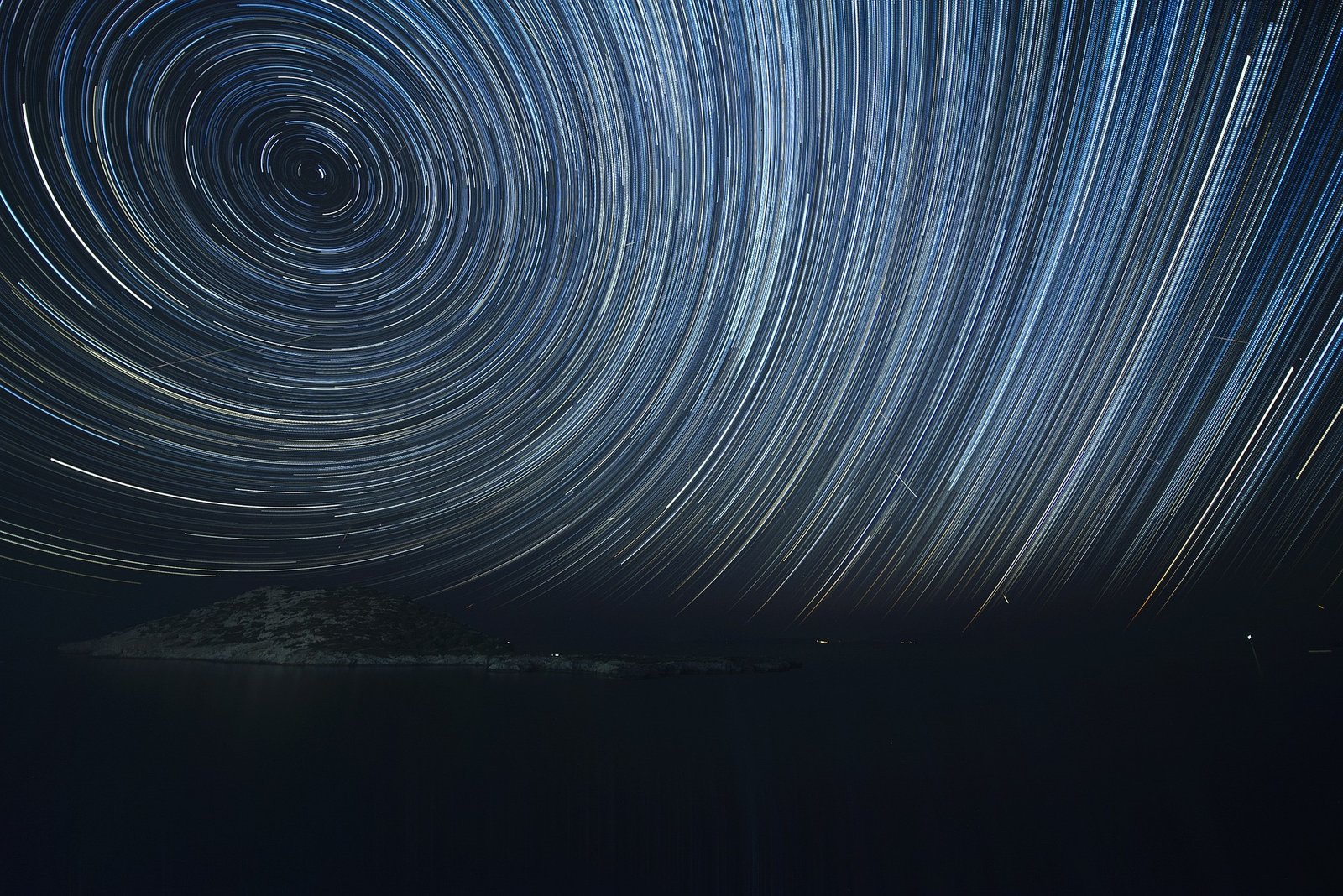
The spring rain of falling stars will reach its apogee on the night of April 23. From a scientific point of view, the Lyrids represent a trail of dust particles left by the ancient comet C/1861 G1 Thatcher. Every year at this time, the Earth crosses the comet’s orbit, and the products of its decay enter the Earth’s atmosphere at colossal speeds. Friction against the dense layers of air causes these microscopic particles to burn up instantly, leaving bright streaks in the night sky that we traditionally call falling stars.
On Wednesday, Munich residents will have a unique opportunity to touch this heavenly mystery. Although the intensity of the Lyrids is inferior to the famous August Perseids, this stream is famous for its unpredictability. As Andreas Machalika, a meteorologist from the portal wetter.com, notes, this year an activity level of about 20 meteors per hour is expected. However, the expert emphasizes the presence of a “surprise factor”: the history of observations knows cases when the Lyrids demonstrated sudden bursts of activity significantly exceeding the average indicators of past years.
Where the Lyrids are Best Seen in Munich
The name of the shower comes from the constellation Lyra, which serves as the radiant — the point from which the meteors visually emerge. According to Andreas Machalika, at the beginning of the night, the constellation is located low over the eastern horizon. However, as the Earth rotates, it rises higher, which significantly increases the probability of capturing even the dimmest flashes in the second half of the night.
A key factor for successful observation will be the position of the Earth’s natural satellite. Around two in the morning, the Moon will hide behind the horizon, providing the necessary depth of darkness that will persist until dawn. This is the ideal “window” for those who are ready to sacrifice sleep for aesthetic pleasure.
To achieve the maximum result, experts recommend avoiding areas with high levels of light pollution. The city lights of Munich’s central blocks can hide a significant portion of the meteors, so open spaces are the best choice. Ideal locations would be the flood meadows of the Isar River (Isarauen), remote suburban areas, or the foothills of the Alps, where the clarity of the atmosphere is traditionally higher. Astronomers advise not to use telescopes or binoculars: a meteor shower is best observed with an unaided, relaxed gaze covering as much of the sky as possible.