
On February 28, a planetary parade can be observed in the evening sky over Bavaria. Employees of the Munich Observatory emphasized that not all celestial bodies will be visible simultaneously. For quality observation, an open horizon and the absence of light pollution are necessary.
Features of the phenomenon: Jupiter will become the brightest object
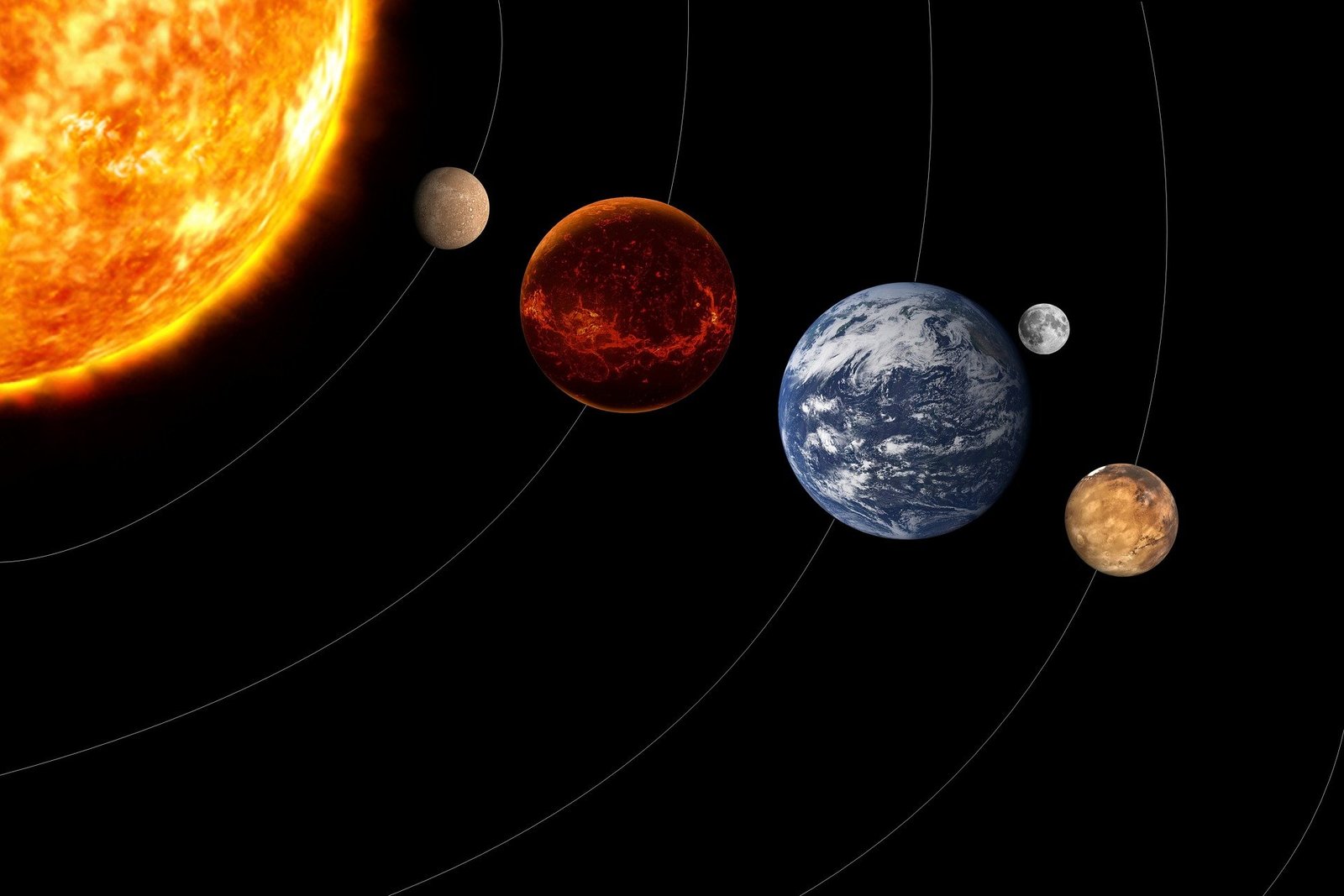
During this astronomical event, several planets are arranged in an arc in the firmament, as explained by the Munich Observatory. The gas giants Jupiter, Saturn, Uranus, and Neptune have been in view for several months already. However, their movement across the starry sky occurs extremely slowly, making changes practically imperceptible. Jupiter dominates the evening sky — it shines very brightly, and it is impossible to miss. For a short period, Mercury and Venus will join the group. Venus moves slower and will reach its best visibility only in the coming months. Currently, it is close to the Sun and on February 28 will disappear as early as 7:00 PM.
The Munich Observatory specified that it will only be possible to follow the process partially with the naked eye. If Venus and Mercury are still visible, it is too bright for Saturn, and Neptune is invisible without a telescope, the specialists explained. Mercury and Venus will disappear approximately one hour after sunset, and Saturn will remain in view only briefly after that. Jupiter will stay in the sky until midnight, while Uranus will completely vanish from sight. Thus, the planets will not be in the sky simultaneously in their full composition.
How to observe the sky in Munich
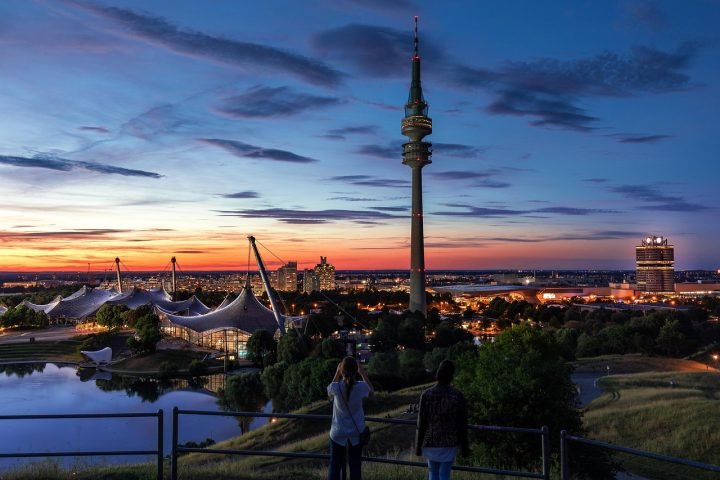
Those wishing to see the event were advised by the observatory to find an elevated point with an open view to the southwest and west. In Munich, Olympiaberg with its circular panorama is suitable for these purposes. An observatory specialist assessed the situation with restraint: It sounds more impressive than it actually is. It will also not be possible to capture the entire phenomenon using a smartphone.
Similar data were provided by the Nuremberg Observatory. Their website reported that Mercury, Venus, Saturn, and Neptune at the time of sunset will be at a height of only 10–15 degrees and will quickly disappear in the evening twilight. Observation will require an exceptionally clear horizon, which is often unattainable in urban conditions.
Planetary Parade
- Date: February 28.
- Essence: Alignment of planets in a row in the evening sky.
- Additional information: The phenomenon is only partially noticeable to the naked eye. Mercury and Venus disappear an hour after sunset, Saturn remains visible briefly, Jupiter — until midnight. Uranus and Neptune are inaccessible without special optics.
Recommendations: Choose the darkest and most elevated places with an open horizon.

Latest Posts