
The city’s Department of Health urged travelers to take appropriate precautions before and during their trips.
Chikungunya Case in Alsace Raises Regional Concerns
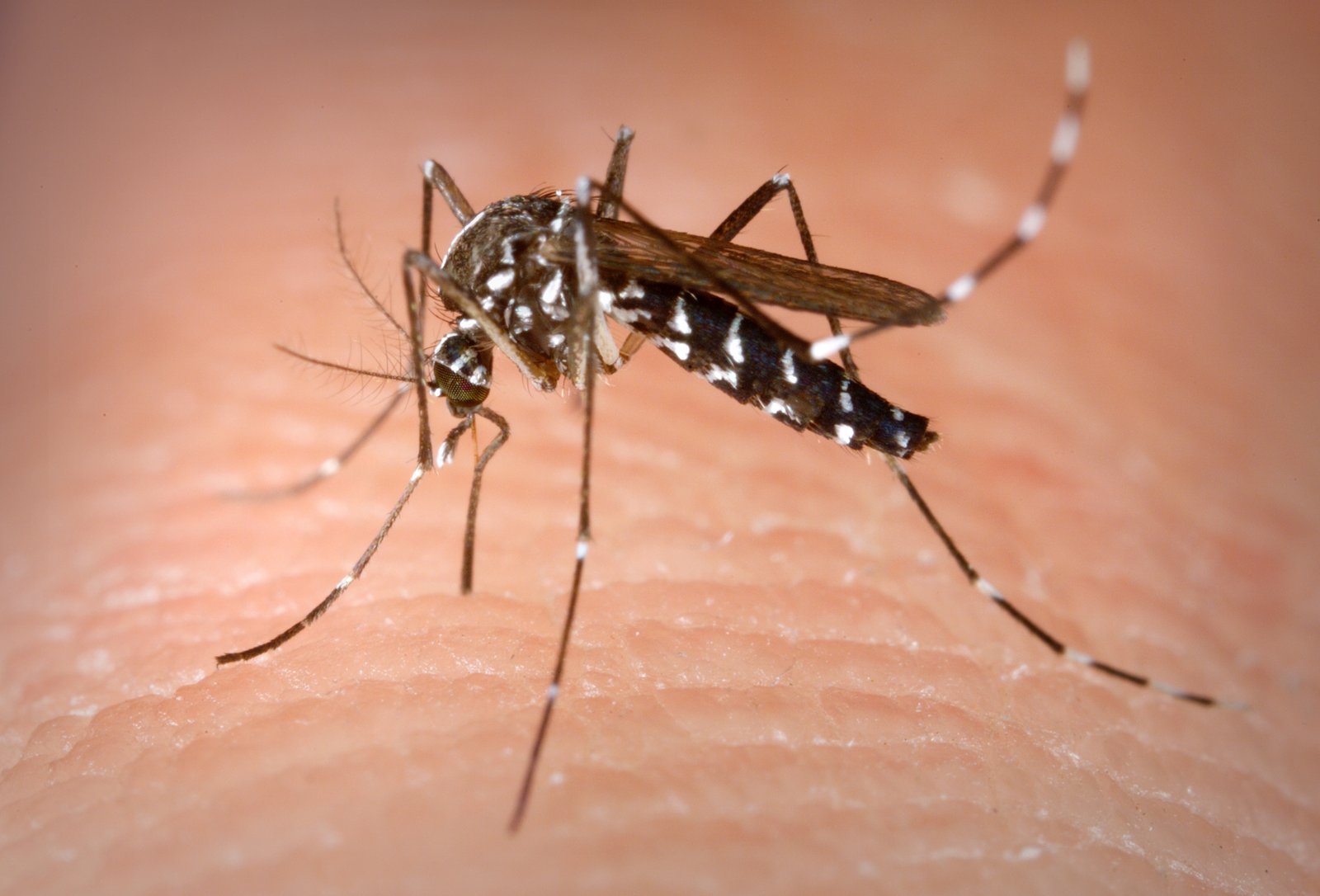
A recently confirmed case of the Chikungunya virus in the neighboring French region of Alsace has further heightened concerns. According to Munich officials, the incident highlights the need for travelers to educate themselves about disease risks and preventive measures well in advance. The Asian tiger mosquito is capable of transmitting serious viruses such as Dengue, Zika, and Chikungunya. Its presence has been increasingly documented in various parts of Europe, including Bavaria.
Experts cite rising international travel and climate change as key drivers of the mosquito’s expanding habitat. Warmer temperatures and increased mobility have created favorable conditions for these insects, which are now appearing in areas previously considered low-risk.
Health Department Advises Preventive Measures While Abroad
The Munich Department of Health has offered specific recommendations to reduce the risk of mosquito bites and associated infections during travel:
Wear light-colored, long-sleeved clothing, especially during the evening hours
Apply insect repellents regularly to both skin and clothing
Beatrix Zurek, Munich’s Health Commissioner, emphasized the importance of daytime protection in particular, noting: “Proper clothing and the use of insect sprays offer effective defense – especially during the day, when many of these mosquitoes are most active.”
Post-Travel Vigilance Strongly Advised
Returning travelers are encouraged to remain alert to any signs of illness, including fever, muscle or joint pain, and rash. Should symptoms arise, prompt medical attention is essential. Travelers are also advised to inform healthcare providers about recent visits to regions with high mosquito activity.
Understanding Chikungunya and Related Risks
Chikungunya is a viral illness transmitted by tiger mosquitoes. Typical symptoms include high fever, joint pain, and skin rashes, usually appearing within a few days of being bitten. Although most cases resolve within one to two weeks without lasting effects, the infection can be physically demanding. The virus is prevalent in parts of Africa, South and Southeast Asia, and several islands in the Indian Ocean. According to the Institute of Tropical Medicine, healthy adults are generally not at long-term risk, but the illness may be particularly severe in some cases.