
While specialists have welcomed the update, they also pointed out lingering flaws in the methodology.
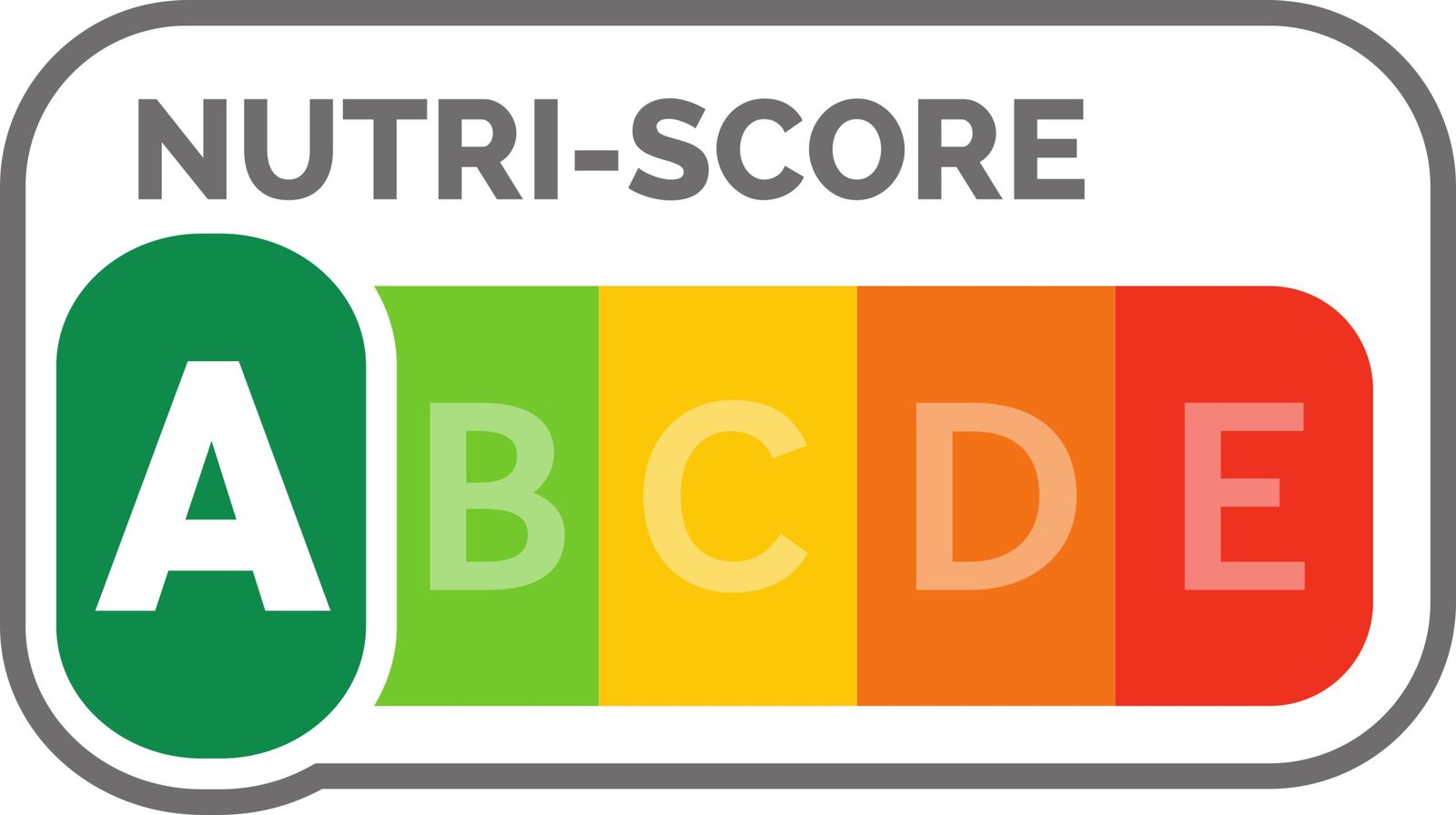
The color-coded Nutri-Score labeling—ranging from the green “A” category to the red “E”—is designed to help supermarket shoppers compare products and choose healthier alternatives. Although the “traffic light” system was introduced in 2020, several weaknesses were identified, necessitating an adjustment to the calculation formula.
Sugar Lowers Ratings, While Fiber and Protein Boost Them
Specifically, high salt and sugar content now exert a stronger negative influence on the final score. This change aims to align the system with current scientific data. Sugar is linked to risks of obesity, cardiovascular disease, diabetes, and pathological processes in the brain. Excessive salt consumption is also considered a risk factor, particularly for hypertension.
Additional points in the Nutri-Score system are now awarded for high protein or dietary fiber content. However, the requirements for fiber have become stricter: a positive impact on the score now begins at 3g per 100g of product, whereas the previous threshold was 0.9g.
Dr. Tim Hollstein, a physician at the University Hospital Schleswig-Holstein and a metabolism researcher, called this decision a step in the right direction. He noted: “However, I advocate for fiber-rich products to be labeled even more prominently, as this is precisely the food that is beneficial. We ideally recommend 30g per day, but most people do not reach this quota.”
Impact of Changes on Supermarket Inventory
The new assessment methodology has led to visible changes on store shelves. Anja Schwengel-Exner, a representative of the Consumer Association of Bavaria, explained: “The ratings of certain types of cornflakes and instant cocoa have dropped from level B to D due to high sugar content.” Salami pizzas also saw their positions worsen due to salt levels, as did white bread due to the stricter fiber standards.
Susanne Schmidt-Tesch, an ecotrophologist at the Technical University of Munich, criticized the approach to sweeteners, calling it a missed opportunity. While the presence of sweeteners in beverages now reduces points, she emphasized: “But they are present, for example, in protein puddings or bars. This is confusing.”
Limitations of the Nutri-Score System
Despite the refinements, fundamental problems persist. A common misconception remains that a green “A” label automatically guarantees a product is healthy. In reality, Nutri-Score only allows for comparisons within the same product category, Tim Hollstein explained. An “A” rating does not signify that a product is exceptionally healthy; it only indicates it is a better choice than its direct counterparts. The doctor advised: “But if you are comparing different cornflakes, it makes sense to choose the option with the better Nutri-Score.”
Another challenge remains the voluntary nature of the labeling. Anja Schwengel-Exner stated: “If I don’t find the Nutri-Score on every product, I can’t compare them.” Some companies, such as Danone, have even announced they will stop using the system for certain items. Consequently, consumer advocates are demanding that the labeling be made mandatory for all packaged products.
Healthy Eating Depends on More Than Personal Choice
American nutrition researcher Kevin Hall expressed the view that labeling is only one tool in the fight for healthy eating. He criticized the excessive emphasis on individual responsibility.
According to the scientist, diet is primarily determined by the environment: in an environment surrounded by unhealthy food, it is practically impossible to eat healthily on a permanent basis, even with knowledge and motivation. Therefore, he supported systemic measures, such as advertising restrictions or the introduction of a sugar tax.
Source: BR24