
These microorganisms can pose serious health risks to both humans and animals. But how can one tell if a lake is affected?
Cyanobacteria Can Thrive Even in Good Weather Conditions
Warm weather can lead to a sudden spike in cyanobacteria populations. When temperatures are high, the bacteria bloom rapidly, often resulting in a significant decline in water quality and the potential for harmful effects on health.
Bavarian Waters Remain Largely Safe Despite Isolated Incidents
Despite reports of blue-green algae in some areas, there is little cause for widespread concern. According to the European Environment Agency (EEA), bathing water quality in Germany is generally very high. In Bavaria, nearly all lakes received favorable ratings, with only a few exceptions.
What Are Blue-Green Algae?
Despite their name, blue-green algae are not algae but bacteria. They are a natural component of many water bodies and usually harmless in small quantities. However, when their numbers surge, problems begin to emerge. High concentrations can overwhelm the ecosystem and significantly reduce water quality.
Cyanobacteria Can Produce Potent Toxins
Cyanobacteria have the ability to generate toxins that can affect fish, small aquatic organisms, and even humans. Some of these toxins are among the most dangerous naturally occurring substances. The risk becomes particularly high when contaminated water is ingested during swimming.
Health Risks Include Gastrointestinal and Neurological Symptoms
Exposure to cyanobacteria can lead to a range of health issues in humans, including nausea, vomiting, diarrhea, skin rashes, eye irritation, fever, and breathing difficulties. In severe cases, neurological damage and respiratory paralysis may occur. Young children are especially at risk, as they are more likely to swallow water while playing. This can result in life-threatening conditions. For this reason, it is essential to heed warnings from local health authorities, who mark affected bathing areas.
Dogs at Risk of Fatal Poisoning After Contact with Contaminated Water
Dogs are also highly vulnerable. They can ingest toxins while swimming or by licking their fur afterward. Symptoms of poisoning in dogs include excessive panting, drooling, tremors, seizures, vomiting, and diarrhea—often appearing shortly after exposure. Immediate veterinary attention is critical, as such cases can be life-threatening.
Identifying Cyanobacteria-Contaminated Water
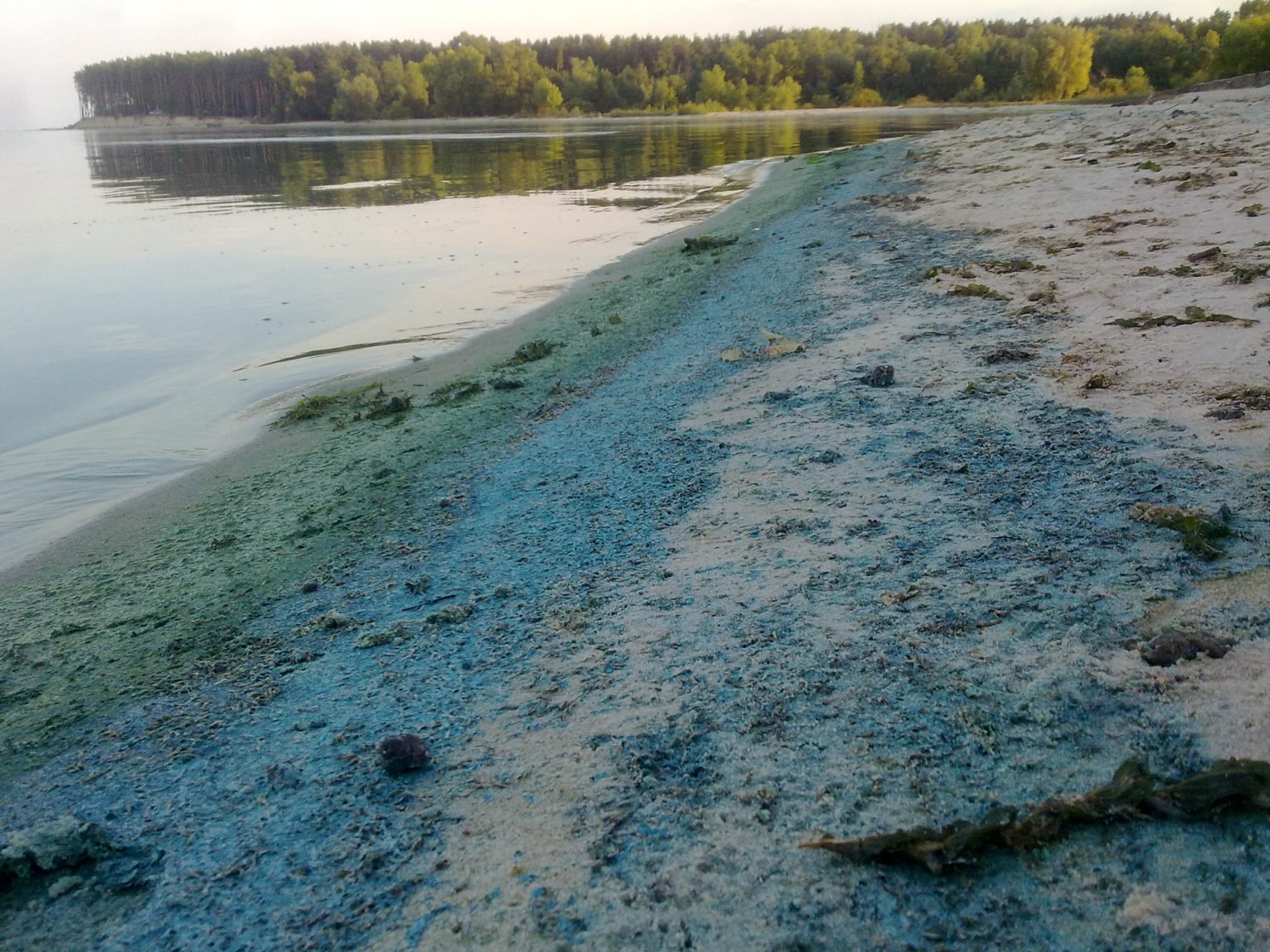
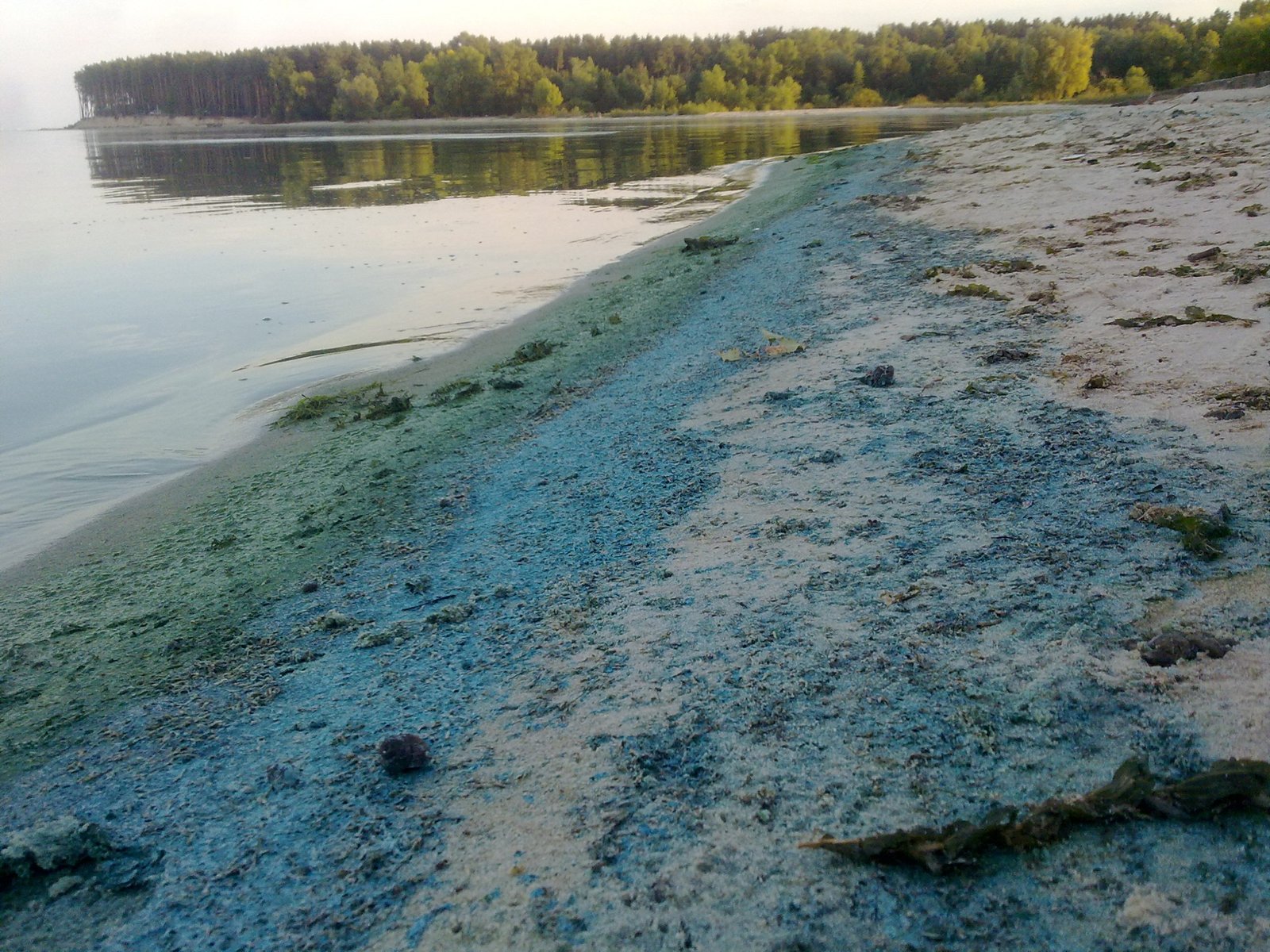
Despite the term “blue-green algae,” the affected water usually appears greenish. The bacteria form visible streaks or mats just below the water’s surface, typically at a depth of 20 to 30 centimeters. These accumulations are not evenly distributed across the lake but tend to form in specific areas.
The German Environment Agency advises a cautious approach: enter the water slowly to avoid stirring up sediment. As a basic rule, if you can still see your feet while standing in knee-deep water, the location is generally considered safe for swimming.
Dying Algae Can Deplete Oxygen and Endanger Fish
Another concern arises when large amounts of cyanobacteria die off. As they decompose, they consume significant amounts of oxygen from the water. This can lead to dangerously low oxygen levels, resulting in mass fish deaths and harm to other aquatic life.
Why Do Cyanobacteria Blooms Occur?
Cyanobacteria flourish under specific environmental conditions. Excess nutrients in the water—often introduced by wastewater, fertilizers, or detergent residues—greatly enhance their growth. When combined with rising water temperatures in summer, these conditions create an ideal environment for rapid proliferation.
As climate change and nutrient pollution continue to shape local ecosystems, experts warn that increased awareness and preventive measures are crucial to protect public health and maintain biodiversity in natural water bodies.