
Just days after the drone sightings at Munich Airport and other locations across Germany, the Bavarian cabinet approved a corresponding draft law. Until now, shooting down drones has been both legally precarious and technically challenging for Bavarian police, who often lack the necessary equipment. This is set to change.
“There is no cause for panic, but for great caution,” said Minister-President Markus Söder (CSU) after the cabinet meeting in Munich. The threat landscape has changed, he stated, pointing to countless cyberattacks and the recent drone incidents, which he suggested Russia could be behind. “In the end, the consequence must be to shoot down rather than wait and see,” the CSU politician said. He emphasized that the police must be able to neutralize drones, and that protecting the population and territory is the top priority.
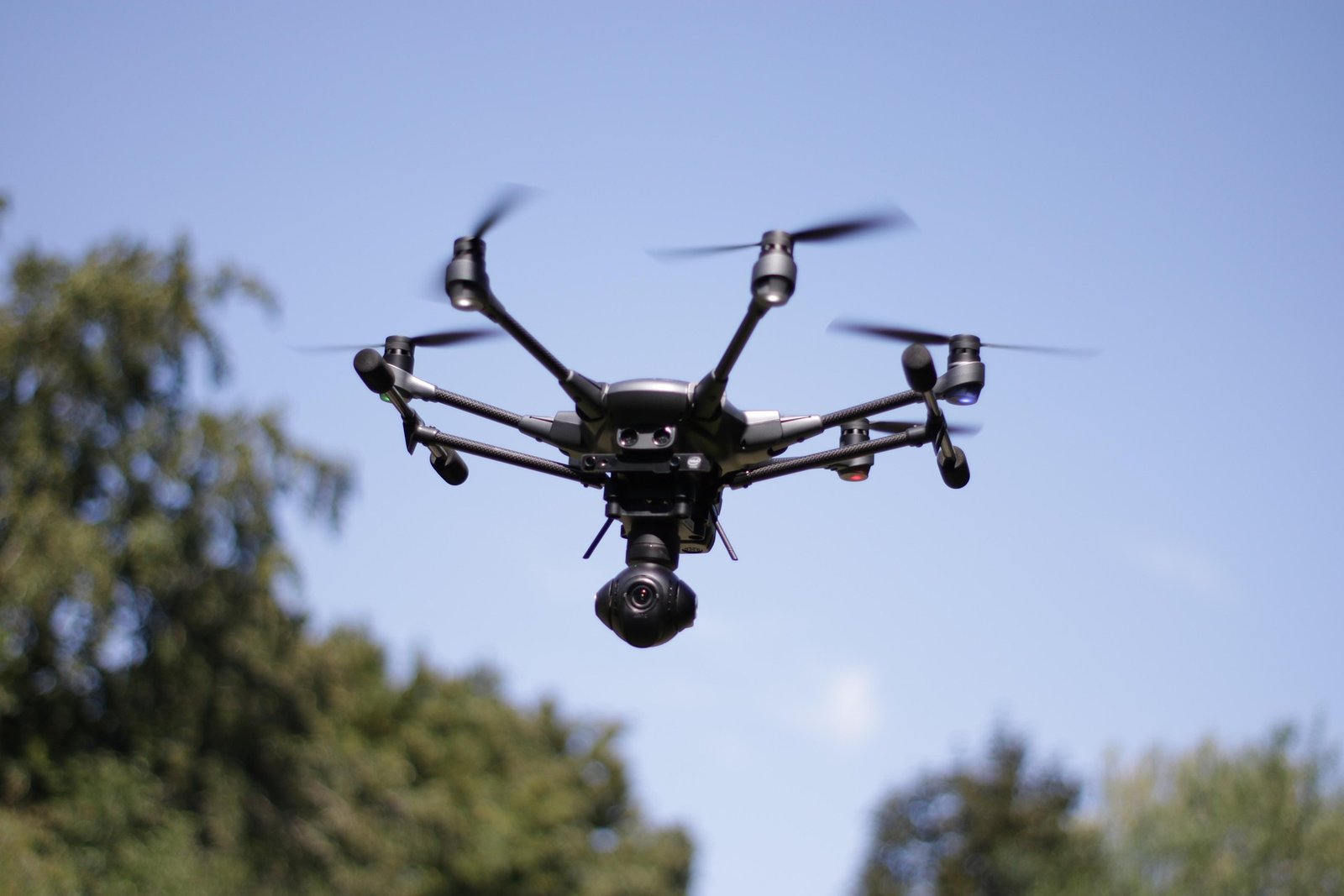
According to the State Chancellery, an expansion of the Police Duties Act will empower the police to respond to concrete or imminent threats from drones or other unmanned aerial systems with all necessary means.
The new procedures would work as follows: First, when drones are sighted, police will verify as quickly as possible whether it is an authorized flight or an unauthorized, potentially dangerous object. If a drone is classified as dangerous, officers will be authorized to neutralize it. Ideally, this would be done by electronically taking over its controls, capturing it with a net, or jamming its propulsion. As an ultima ratio—a last resort—the drone may be pursued and, if necessary, shot down. “We must also be able to arm our own drones,” Söder stressed.
Additionally, the cabinet approved the establishment of a new Drone Competence and Defense Center for the Bavarian police. It will be located in Erding, near the airport, where the German Armed Forces (Bundeswehr) already cooperates with Bavarian tech firms.
Federal Interior Minister Alexander Dobrindt (CSU) has also recently announced his intention to strengthen drone defense at the national level. His plans include setting up a joint drone defense center involving the Federal Police, Customs, the Federal Criminal Police Office (BKA), and state authorities.
The recent drone sightings in Munich led to numerous flight cancellations, stranding thousands of passengers. A drone was also sighted over a Bundeswehr facility near the airport.
Who is behind these drone flights remains officially unknown. However, Chancellor Friedrich Merz (CDU) and Söder have publicly suggested Russia could be responsible for the incidents. The Kremlin has denied these allegations.