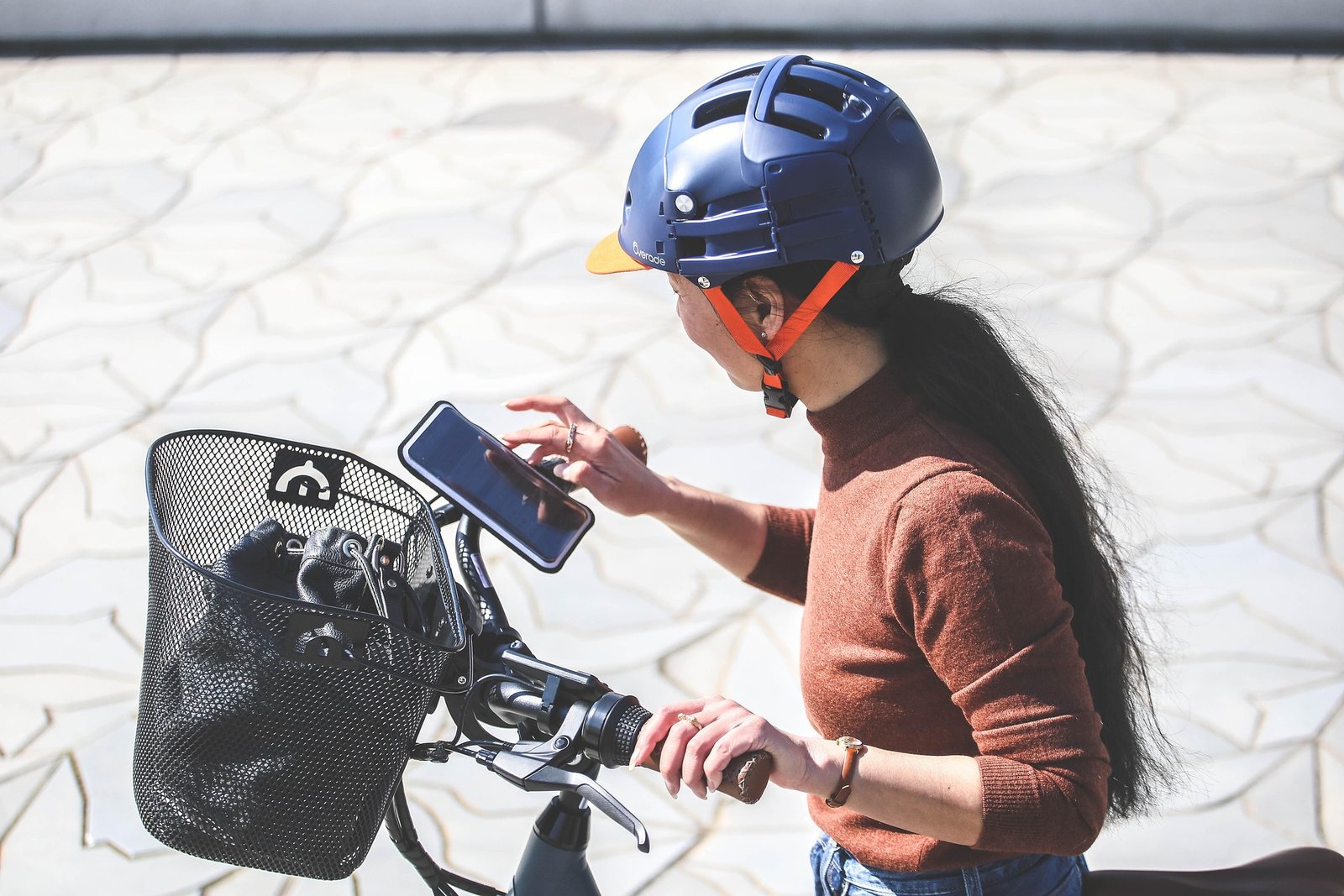

The German Association of Emergency Medical Services is therefore calling for mandatory helmets on pedelecs.
At the bike rental shop by Lake Schliersee, the pedelecs – commonly called e-bikes – are ready for use. On sunny days, up to 40 are rented out to tourists, and around 80 percent of riders take a helmet along. The helmet is included free of charge and strongly recommended, as stated in the rental contract.
“With e-bikes, absolutely anyone can now get up the mountain,” says Sven Hermann from the rental service. “But downhill is where most accidents happen, because riders underestimate the speed and weight when braking. That’s why I strongly advise wearing a helmet.”
Accidents on the Rise – Emergency Services Sound the Alarm
A pedelec assists pedaling with a motor up to 25 kilometers per hour – and downhill speeds can be much higher. Florian Meier, an emergency doctor with the Bavarian Red Cross, sees the risks firsthand: “We see everything – from simple broken arms to critically injured patients with traumatic brain injuries.”
These are injuries that also occur with traditional bicycles – but the consequences on pedelecs are often more severe. Statistics confirm the trend: according to the Ministry of the Interior, 95 cyclists died in Bavaria last year, nearly half of them on e-bikes.
The German Association of Emergency Medical Services is calling for a helmet mandate for pedelecs. Meier, however, does not see legislation as the solution: “Not everything needs to be regulated. I would appeal to people’s common sense to protect themselves and take care of their health.”
Cycling Association Rejects Mandate – Demands Safer Paths
The German Cyclists’ Association (ADFC) agrees helmets make sense, but on the question of a mandate, they are clear: “We rely on voluntary use, because helmets don’t prevent accidents, they only help in the event of a crash,” says Eva Mahling from ADFC Bavaria. She argues for preventive measures: safer cycling infrastructure and more training for handling e-bikes.
Between Personal Responsibility and Regulation
And what do cyclists at Lake Schliersee think about making helmets mandatory? “For longer trips, always a helmet – but just riding into town for groceries? That’s excessive,” says an older man outside a supermarket. Another rider, renting a pedelec, hesitates before deciding: “We’d rather take helmets – if only for peace of mind.”
The debate remains unresolved: mandate or personal responsibility? One thing is clear: the question of safety on e-bikes will continue to be a major issue in Bavaria.

Latest Posts