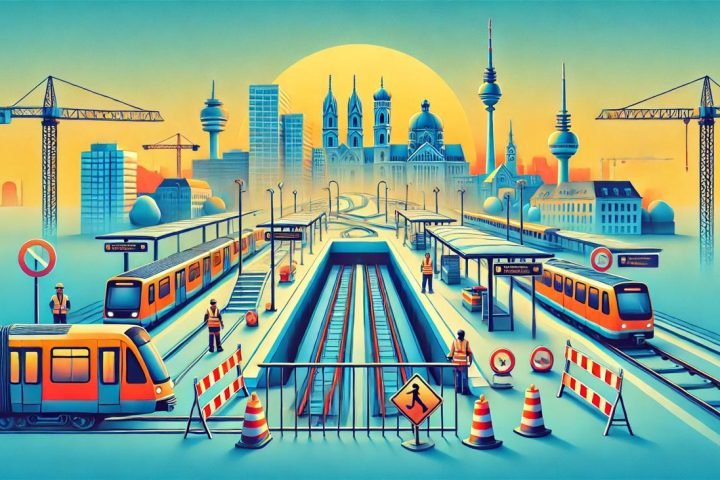

Passengers will have to wait until 2026 for the pilot service to launch under the city’s “MINGA” project, as confirmed by the Munich Transport Company (MVG).
Delays Linked to Technical Readiness and Complex Approval Process
According to MVG, preparations for the autonomous fleet are ongoing, with a strong focus on both technical development and regulatory compliance. However, crucial permits—especially the AFGBV certification from the Federal Motor Transport Authority—are still pending. This certification is essential for legal operation of autonomous vehicles in regular public transport routes. As a relatively new and untested regulatory framework, it requires intensive coordination between government agencies, transit providers, and technical partners.
Route Changes and Pilot Lines Confirmed
The MVG now plans to test autonomous buses on two specific routes: Line 178 in northern Munich and Line 197 in the southern part of the city. These trials will include both a fully automated solo bus and vehicles operating in platoons—digitally linked convoys that can travel closely together. Launch timelines for each bus type will depend on how quickly the necessary approvals are obtained.
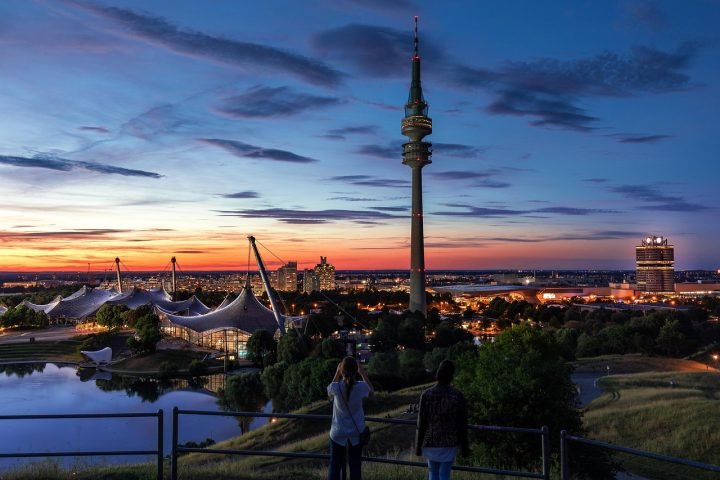
Plans to test a fully electric MAN vehicle on Line 144 near Munich’s Olympic Park have been scrapped. Initially, this route was intended to gather experience with autonomous operation in leisure transport, but the deployment in this area is no longer part of the project.
Federal Government Extends Funding Amid Delays
The MINGA initiative—short for “Munich’s Automated Local Transport with Ridepooling, Solo Bus, and Bus Platoons”—is a joint effort involving around twelve partners. These include the Munich municipal utility (Stadtwerke München), the city’s mobility department, research institutions, and industry leaders like MAN Truck & Bus. MVG is overseeing project coordination.
To support the effort, the Federal Ministry for Digital and Transport (BMDV) has allocated approximately €13 million in funding. Originally set to expire at the end of 2025, the funding period has now been extended to the end of 2027. This change reflects the adjusted project timeline and ensures continued development despite the delay.
While the postponement may be disappointing for advocates of innovation in public transport, MVG emphasizes the importance of a safe, well-regulated rollout. The project remains a key step toward future-proof, sustainable urban mobility in Munich.

Latest Posts