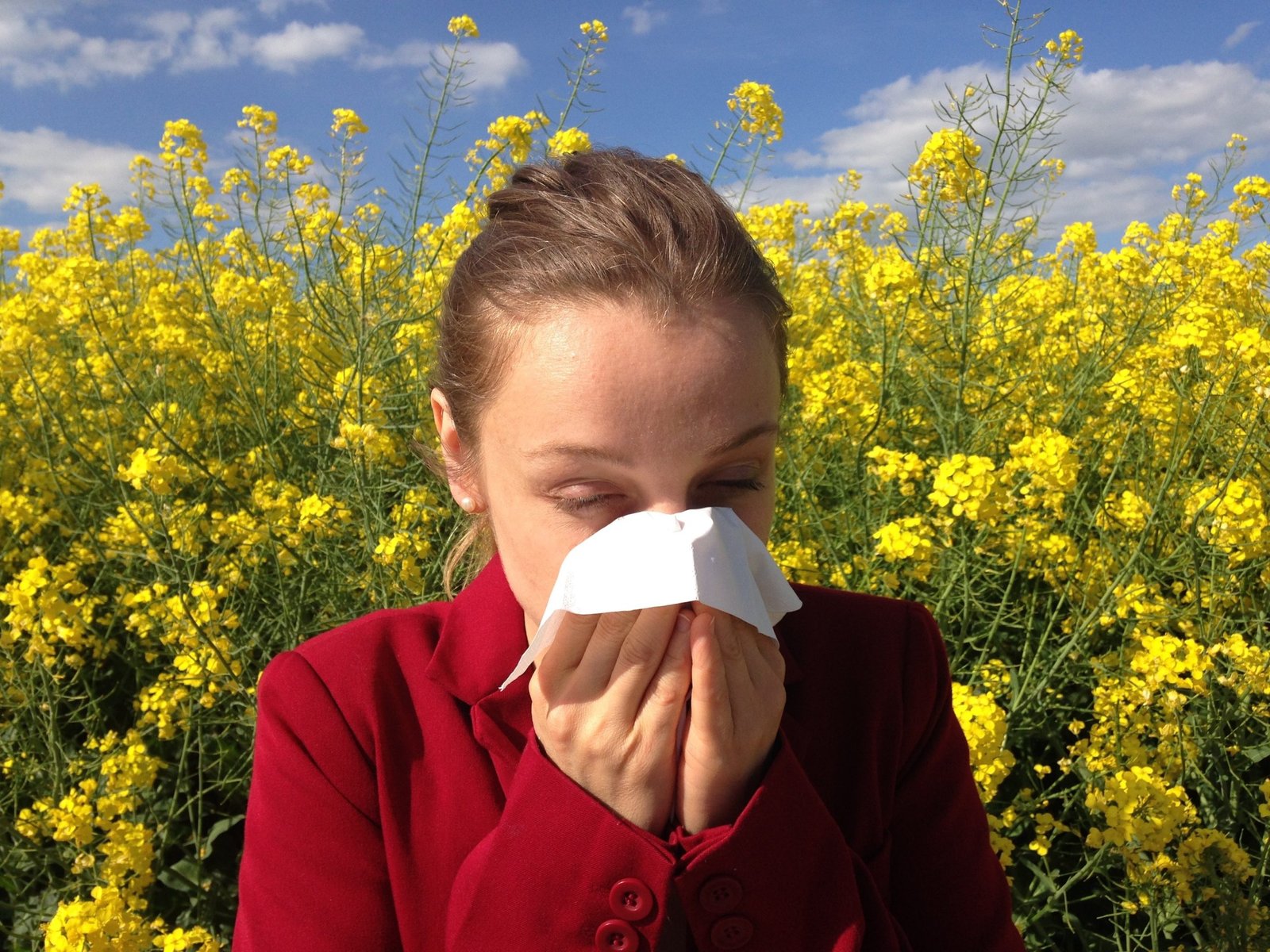

According to the Robert Koch Institute (RKI), over 12 million people in Germany suffer from hay fever — and new data reveals which cities are hit hardest.
Frankfurt Leads, Munich Ranks Fifth Among Allergy Hotspots
An analysis conducted by the online pharmacy Deutsche Medz examined Google search data related to hay fever symptoms across German cities, revealing notable increases in public concern and likely symptom severity. Frankfurt am Main tops the list with 911 hay fever-related searches per 100,000 residents per month — a staggering 491% increase within just three months.
Düsseldorf ranks second, reporting 459 monthly searches per 100,000 residents — up 568%. Stuttgart, the capital of Baden-Württemberg, takes third place.
Munich, Bavaria’s capital, ranks fifth, with 485 hay fever-related searches per 100,000 inhabitants — a 375% increase over the same period. The state’s second-largest city, Nuremberg, follows in seventh place, logging 457 searches and a 374% rise.
Top Ten German Cities with Highest Hay Fever-Related Search Activity:
1. Frankfurt am Main
2. Düsseldorf
3. Stuttgart
4. Dortmund
5. Munich
6. Cologne
7. Nuremberg
8. Bielefeld
9. Hanover
10. Mannheim
Expert Advice for Allergy Sufferers During Peak Season
Dr. Lena Weigel, a medical practitioner specializing in respiratory health, shared several tips to help those affected manage their symptoms more effectively — advice especially relevant in hard-hit regions like Bavaria:
* Apply petroleum jelly around the nostrils to reduce pollen entry.
* Wear protective masks during days with heavy pollen concentrations.
* Shower before bed to rinse pollen from hair and skin.
* Avoid alcohol, which may worsen allergic reactions.
* Use antihistamines, eye drops, or nasal sprays as needed.
* Wipe pets down with a damp cloth before they reenter the home.
* Wear wraparound sunglasses to protect the eyes.
* Vacuum frequently to reduce indoor pollen levels.
The RKI further recommends using air purifiers and ventilating rooms strategically — ideally during early mornings or late evenings when pollen levels are lower. Steam inhalation and regular nasal rinses may also help ease respiratory discomfort. In the long term, immunotherapy (also known as desensitization) can significantly reduce symptoms for many individuals.
As allergy season peaks, those living in urban areas such as Munich, Frankfurt, and Düsseldorf may need to take additional precautions to maintain comfort and health amid rising pollen exposure.

Latest Posts