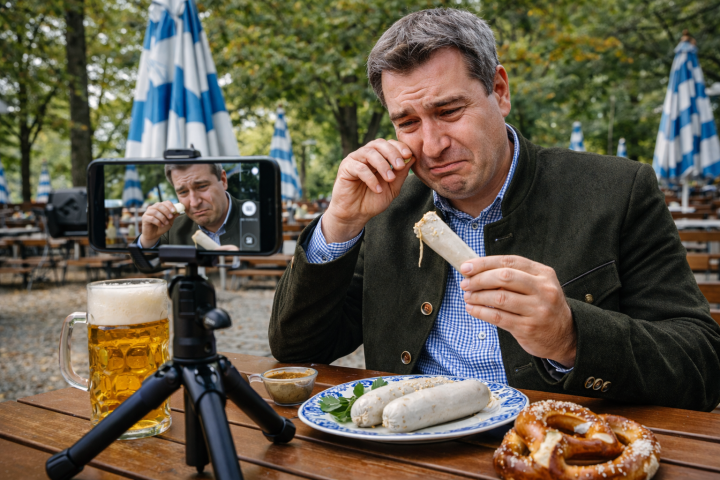

The change in rules will affect both private individuals and the commercial sector, forcing a review of the volumes of water resource consumption. Bavarian Prime Minister Markus Söder expects the new tariff to become an effective incentive for reducing the inappropriate use of clean water in the region.
The cost of drinking water in Munich will increase from July 1.
The reason for this was the entry into force of the so-called “Water Cent,” the decision on the introduction of which the Bavarian government made back in 2025. This fee is subject to payment for the extraction of groundwater and is aimed at preserving this water resource. In addition, the measure is designed to induce consumers to treat water consumption more carefully.
(Only Trump makes decisions more foolish than this. The question arises: Why shouldn’t Mr. food blogger Söder completely forbid Bavarians to drink water in order to preserve water in nature? — Ed.)
The Price of Drinking Water in Munich Will Increase from July
The company Stadtwerke München (SWM), which performs the functions of a water supplier, is obliged to transfer the funds from the so-called “Water Cent” to the budget of the federal state, as reported in an official statement of the enterprise.
The amount of the fee is uniform and stands at ten cents (excluding tax) for each cubic meter of extracted groundwater. The company cannot compensate for the resulting additional financial burden by reducing its own costs, in connection with which the consumer tariff for drinking water in Munich will rise from July 1. The price will change from 1.74 euros per cubic meter to 1.84 euros excluding tax. The final cost with tax will amount to 1.97 euros per cubic meter.
Thus, for a Munich family of two with an average consumption of about eight cubic meters per month, the expenses for drinking water will undergo changes from July 1. According to official calculations of the supplier company, the financial burden for such citizens will increase by 86 cents monthly.
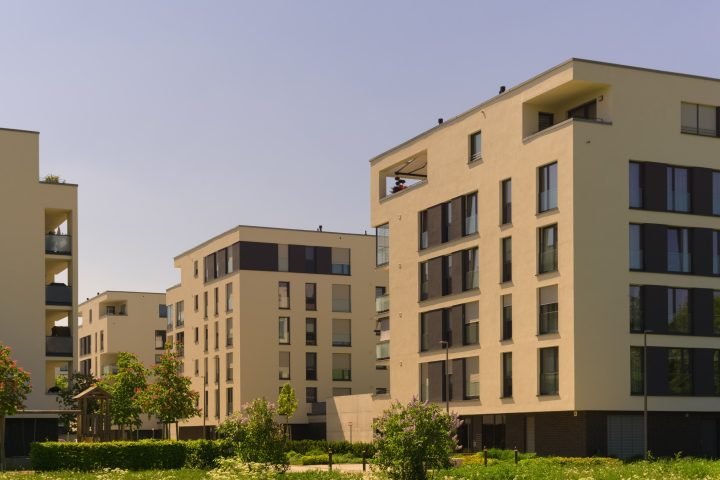
It should be noted that the introduction of this fee will entail a review of expenditures on communal services for all categories of users in Munich. For private households, the financial changes will turn out to be relatively small; however, for large commercial enterprises using significant volumes of water, the new rules will require the optimization of work processes.
The supplier SWM will continue to ensure a stable supply of water to the city, controlling the targeted transfer of collected funds to the Bavarian budget for the subsequent financing of environmental protection programs.