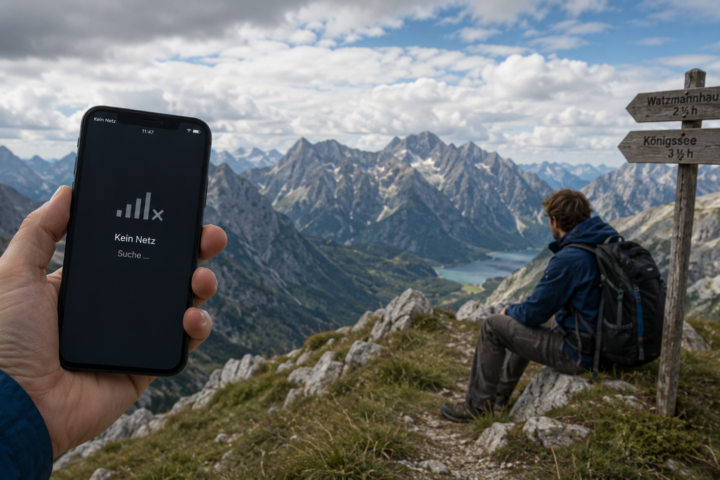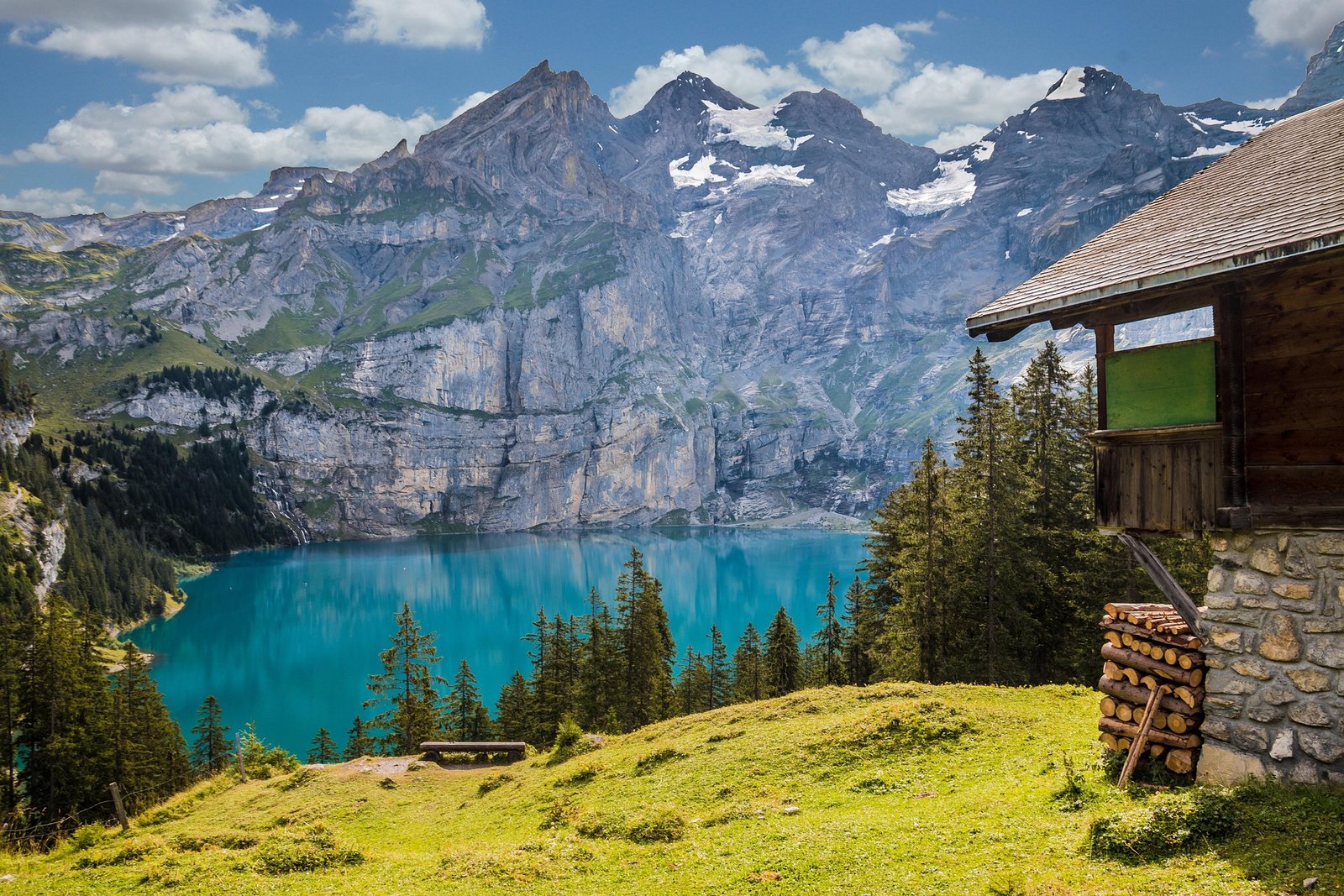

The initiative aims to promote responsible tourism; however, the right to the bonus will be granted only upon strict compliance with ecological regulations. In the context of growing demand for Alpine hiking, where booking hut spaces is becoming a major challenge, the opportunity for a free overnight stay serves as a compelling incentive for experienced travelers.
The popularity of hiking routes in the Alps and the aesthetic of staying in traditional huts have reached a peak this season, naturally leading to a shortage of available beds. In response, the Alpine Club has granted its members a privilege: during the 2026 summer season, each participant can exercise the right to a free mountain overnight stay twice. The fundamental condition of the program is the method of arrival at the starting point of the route: the journey must be as eco-friendly as possible, exerting minimal impact on the environment.
The project, titled “Free Night for the Climate,” was first piloted last year and demonstrated high effectiveness. In 2026, the organizers decided not to just extend the campaign but to significantly expand its scale: the limit of free nights has been increased from one to two. The initiative is implemented with the support of the Globetrotter bonus program, and the list of project partners includes more than 70 mountain huts located across various sections of the Alpine range.
Why the Free Accommodation Campaign Was Organized
The leadership of the German Alpine Club emphasizes that the choice of transport when planning a trip to the mountains will be the “primary tool for climate protection in modern mountain sports.” Statistics show that the lion’s share of carbon dioxide emissions in the outdoor recreation sector comes specifically from logistics.
Within the program, those hikers who reach the base of the mountains via public transport—buses or trains—will be rewarded with a free spot in a shared sleeping hall (Lager). This year, the bonus can be used twice, allowing for the planning of several eco-friendly tours over the summer.
(Ed. Unfortunately, the organizers have yet to provide an answer regarding the difference between private and public transport in terms of environmental pollution.)
“The high level of response last year confirmed that a significant portion of mountain sports enthusiasts are ready to reconsider their habits and choose eco-friendly modes of travel.
(Ed. It is a debatable question as to what constitutes an eco-friendly mode of transport, for even an electric vehicle is charged from a socket supplied by power plants, and 94% of the world’s power plants run on gas, coal, and fuel oil—polluting the environment significantly more than a conventional internal combustion engine.)
By expanding the offer to two vouchers, we aim to strengthen this positive momentum and make conscious transport choices the standard for the community,” noted DAV Vice President Wolfgang Arnoldt in an official statement from the club.
How to Participate in the “Free Night for the Climate” Program
The issuance of digital vouchers began on 7 April 2026, on a specialized online portal. The obtained documents will be valid for overnight stays throughout the entire summer season—from May to October inclusive. To participate in the program, club members must confirm compliance with the following criteria:
- Use of public transport for at least 90% of the entire journey to the mountain range;
- Possession of a confirmed advance reservation at one of the huts participating in the campaign;
- Presentation on-site (to the hut manager) of the voucher in printed or digital form, a valid DAV membership card, and travel documents for the train or bus.
Organizers point out that the voucher itself does not replace a booking: advance reservation of a spot remains a mandatory condition. The two available coupons must be used strictly separately—no more than one per club member per calendar month. The offer applies exclusively to accommodation in shared sleeping halls.
The club’s regulations also state that arriving at a hut by bicycle will be equated to an eco-friendly trip. Since a travel document is absent in this case, the participant must present a selfie taken during the bike ride against the backdrop of recognizable landscapes on the route, where the hiker’s face is clearly visible.
Reaction of Mountain Hut Owners to the Initiative
Alpine shelter managers view the DAV initiative positively. According to their observations, the program encourages guests to plan their routes more thoroughly and consciously, which improves the overall culinary and ecological culture of mountain tourism.
“We notice that thanks to this campaign, many guests are beginning to study logistics maps and transport schedules in detail for the first time. Hikers who arrive by bus or train often research the route more deeply. The absence of a rigid link to a car parking spot at the start sometimes opens even more opportunities for linear hikes across several passes,” commented Yvonne and Sepp Tremml, who lead the management of the Brünnsteinhaus mountain shelter.

Latest Posts