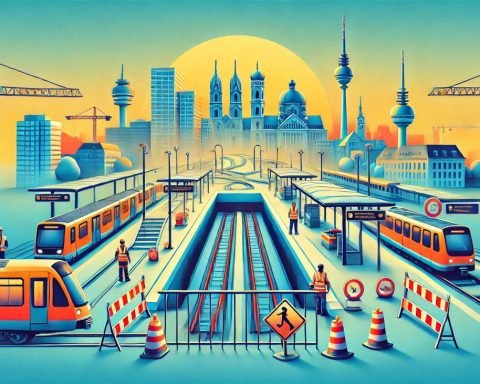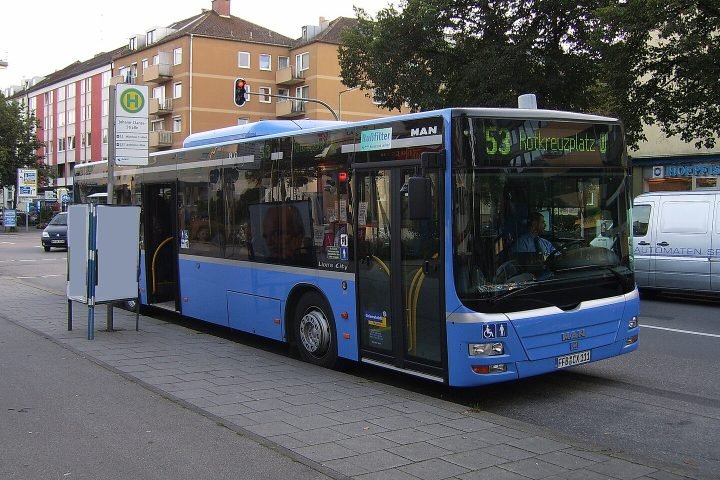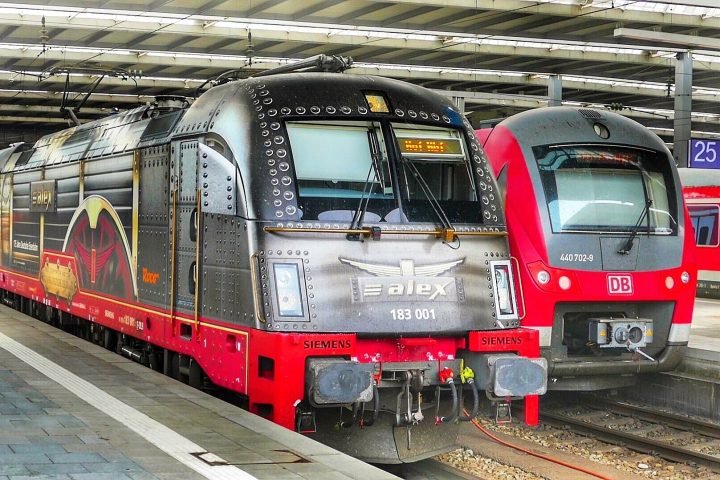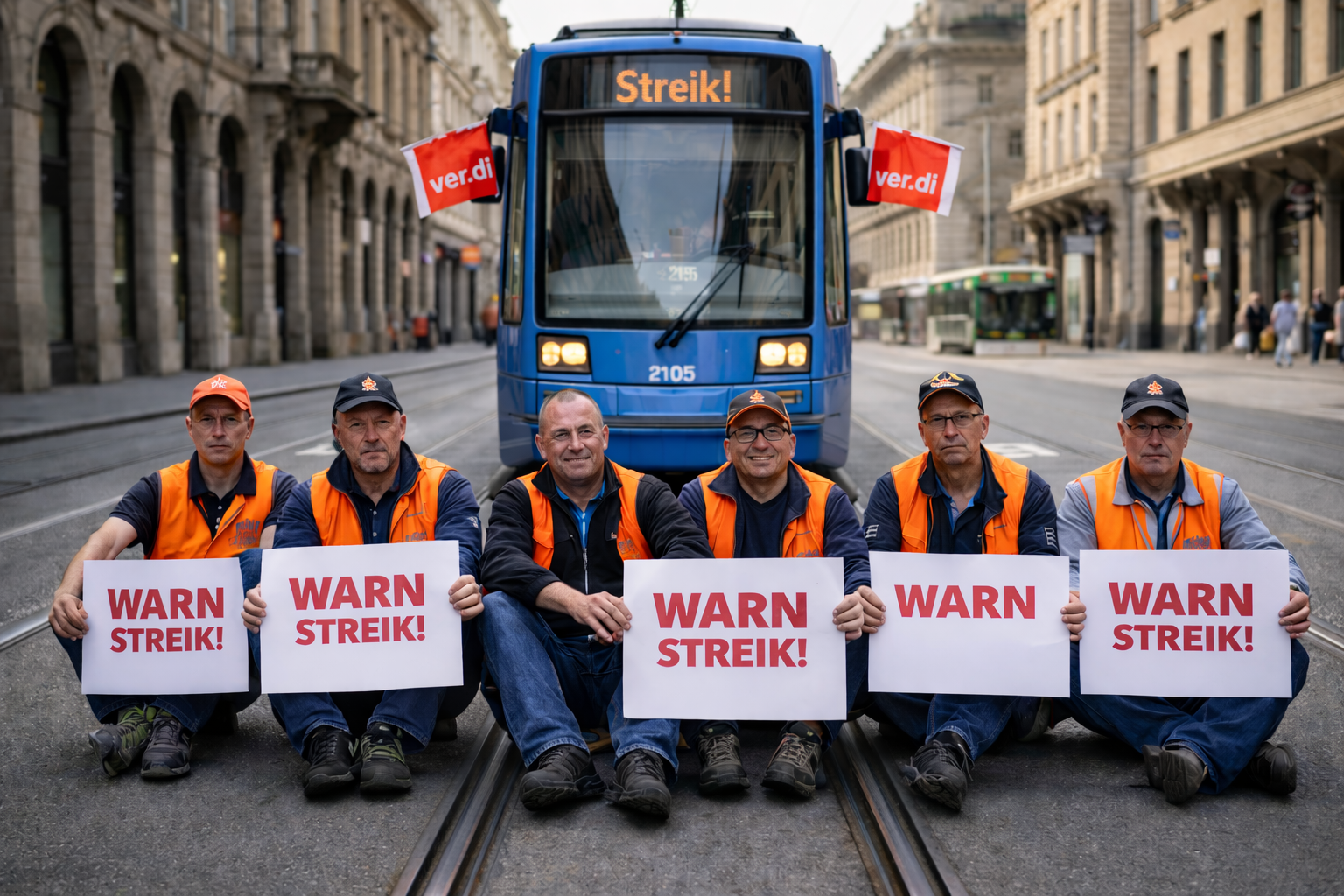

The Verdi union has officially confirmed its intention to hold a series of new protest actions covering municipal enterprises in Bavaria. Residents and guests of the region should plan their routes in advance, as serious disruptions in the movement of buses, trams, and subway trains are expected in the coming days. The main wave of strikes is planned for Thursday — on this day, key agglomerations, including Munich and Nuremberg, will be hit.
Next week, representatives of labor collectives and the municipal employers’ association intend to resume the negotiation process; however, Verdi is already increasing pressure on opponents. The list of nine cities where transport services will be restricted on Thursday, March 19, 2026, includes:
- Augsburg
- Passau
- Landshut
- Munich
- Nuremberg
- Bayreuth
- Bamberg
- Regensburg
- Dachau
Organizers do not rule out that protest activity may manifest in other Bavarian locations on different days. The union has promised to notify the population of planned restrictions in a timely manner.
New protest tactics: from workshops to short pauses
Unlike previous actions, when the union called for personnel to engage in a full 24-hour work stoppage, the current strategy involves a more flexible approach. Experts allow for the possibility of short-term strikes — for example, immediately after the end of the morning rush hour to minimize critical damage to those commuting to work while still clearly stating the collective’s position.
Special attention this time is planned for the activities of repair workshops and technical departments. For ordinary passengers, such actions may remain almost invisible in the moment; however, they significantly complicate long-term maintenance of the rolling stock. It is important to note that agreements reached on the functioning of emergency services guarantee the safety of citizens: the work of emergency crews will ensure protection against situations where people could get stuck in subway trains between stations due to technical failures.
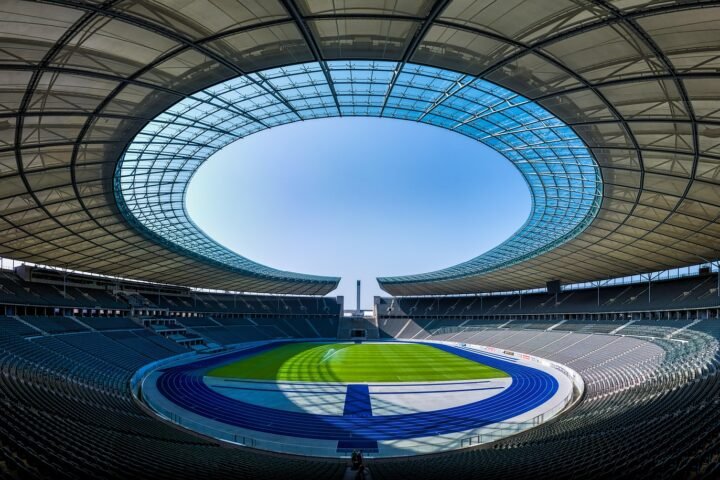
A separate point on the agenda remains the impact of the strike on the Champions League match on Wednesday evening at the Allianz Arena. On this day, Bayern Munich hosts the Italian side Atalanta. Verdi representatives, responding to media inquiries, noted that a final decision on whether the protest will affect football fans has not yet been made. Previously, similar actions on the days of important games have sparked sharp criticism from the public and football officials.
Conflict of interest and arguments of the parties
Within transport companies, there are assertions that the readiness of rank-and-file employees for regular strikes is gradually decreasing due to fatigue from the prolonged dispute. However, the union categorically rejects such conclusions. According to Katharina Wagner from the Bavarian branch of Verdi, it is precisely the active participation of employees in actions and stable membership fees that are the only tools allowing for the achievement of favorable tariff agreements. For its part, the municipal employers’ association expressed the opinion that the union is using the wave of protests primarily as a tool to attract new members to its ranks.
At the current stage, negotiations have reached a stalemate, causing open dissatisfaction within the Association of Municipal Employers of Bavaria. Representatives of the organization emphasized that a concrete proposal was presented to the union during the first introductory meeting. According to their statement, the labor side rejects constructive solution options while ignoring the actual financial situation of municipal budgets. In turn, Verdi accuses employers of intentionally blocking dialogue and emphasizes that personnel require fundamental improvements in pay conditions and the work environment, rather than cosmetic changes.
Requirements and arbitration prospects
The labor dispute, which began back in January, is based on a demand for a significant increase in payments — by almost 670 euros per month for each employee. In addition, the union insists on reducing the standard work week from 38.5 to 35 hours. Employers have offered conditions comparable to those agreed upon for municipal employees about a year ago, including a 5 percent increase. Managers emphasize: those who demand a reduction in working hours must realize that this directly affects the calculation of possible bonuses.
The employers’ proposal to move to an arbitration procedure to find a compromise was rejected by Verdi representatives. Instead, the union proposed increasing the duration of the future agreement by more than one year to ensure stability of conditions. This tariff round concerns the specific agreement for the public transport sector (TV-N), which applies to approximately 9,000 employees in 20 Bavarian municipalities. Another attempt to find a way out of the crisis is scheduled for March 23 in Nuremberg, where the parties will meet at the negotiating table.

Latest Posts