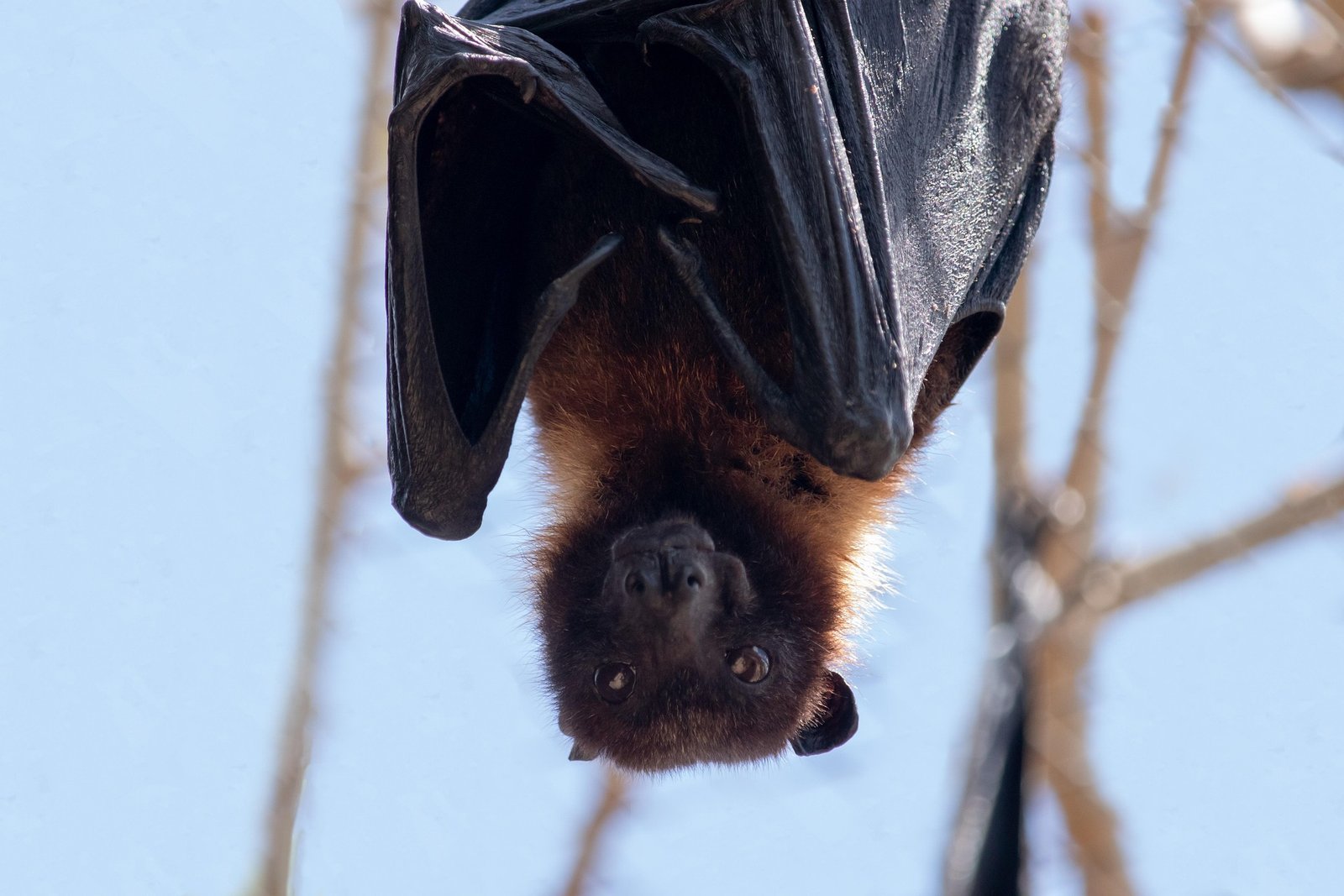

In the heart of this metropolis, thirteen different bat species have established their habitat. It is a minor miracle, considering their living space is becoming increasingly confined.
Quiet Inhabitants of a Major City
Munich is growing. Construction sites are multiplying while vacant lots are disappearing. Logically, these nocturnal hunters should have vanished; however, the opposite is happening—populations remain stable. The Bavarian Association for the Protection of Birds and Nature (LBV) has focused on targeted conservation measures, a strategy that has proven successful.
For a city as large as Munich, this is a remarkable feat. Between residential blocks and traffic noise, these nocturnal mammals face significant challenges. Hollows in trees are becoming scarce, and old roosts are vanishing. Yet, the city, alongside conservationists, is fighting for its winged cohabitants.
Volunteers to the Rescue
Kristina Schneider understands what it means to save bats. As the chairwoman of the LBV in Munich, she has personally treated injured and orphaned individuals at a volunteer rehabilitation center. Night after night, she has cared for the most vulnerable patients.
She reported on the impact of their work: “We were able to nurse over 400 bats, nearly 300 of which were pups, and in most cases, we have already returned them to the wild.” Most of the animals have regained their freedom, given a second chance through human intervention.
Parks Transformed into Protected Zones
Last year, with the support of city authorities, two bat-friendly parks were established in the Au and Johanneskirchen districts. Researchers have already documented the presence of nine species there. A particular success was the discovery of the Lesser Noctule. This species, which is highly endangered in Bavaria, was identified in Au during the summer using specialized detectors. These devices analyze ultrasonic signals and translate them into frequencies audible to humans.
In areas where natural hollows and shelters are in short supply, specialized bat boxes have provided a solution. These structures for hibernation and maternity roosts—where females raise their pups—protect the bats during critical life stages. Educational displays at these sites also introduce visitors to the unique lives of these nocturnal residents.
Integrating Habitat Protection into Construction
Bat habitats are now being considered as early as the architectural planning stage. Consultations in the construction sector have helped prevent the displacement of these winged hunters. Furthermore, the planting of night-blooming flowers has attracted insects, creating a rich feeding ground.
The city has documented all known roosts to form a basis for effective protection. Initial surveys identified ten new shelters, some of which housed up to 99 individuals.
Both the animals and their roosts are protected by law. Munich’s example confirms that metropolitan life and nature conservation can successfully coexist. These nocturnal inhabitants now have a future here, thanks to the people who fought for them.
Source: dpa

Latest Posts