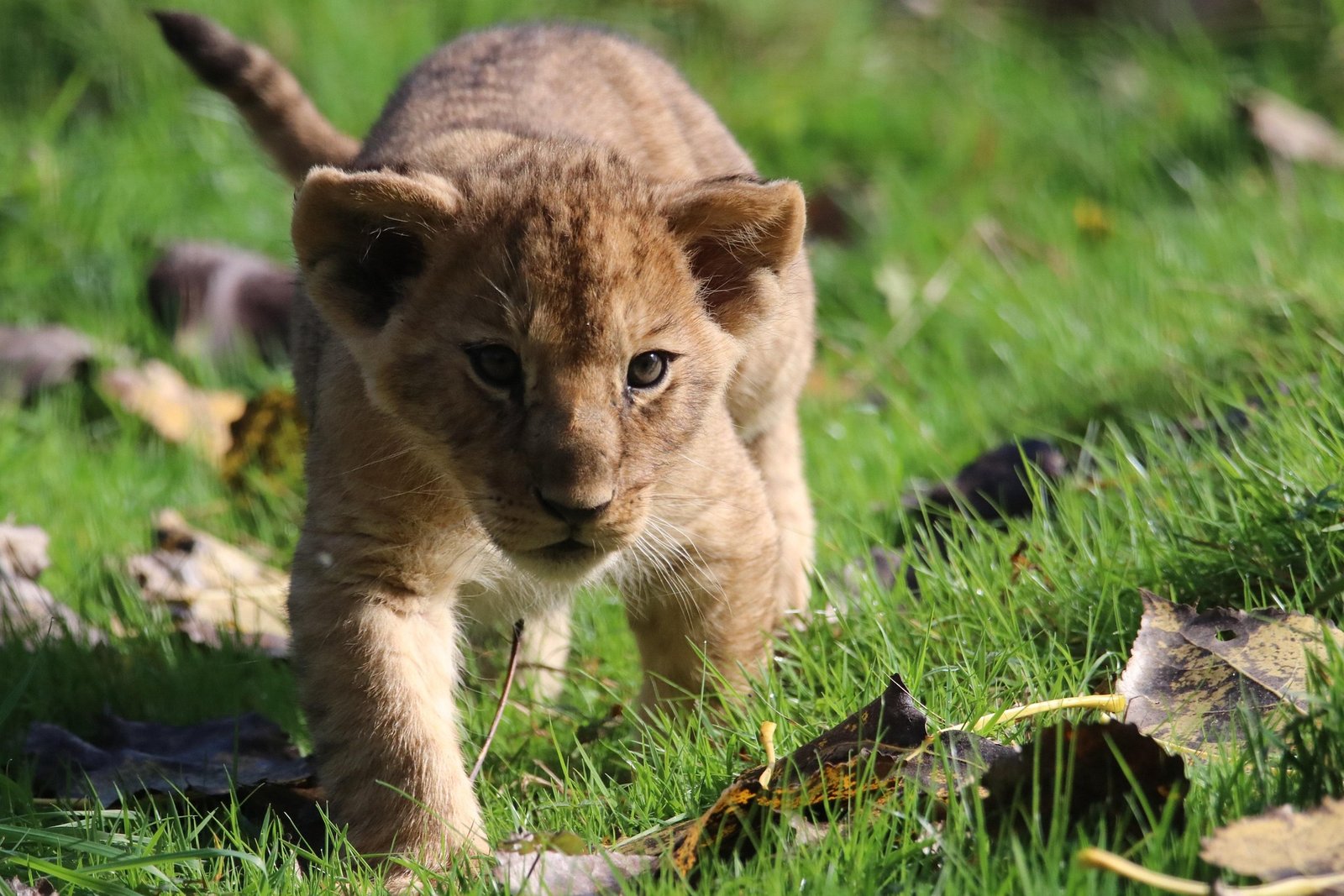

In December, Nuremberg Zoo celebrated a significant milestone: on the day after Christmas (Boxing Day), Aarany gave birth to six cubs. One died shortly after birth, but Aarany initially cared for the remaining five exemplarily. Because zookeepers are prohibited from approaching the pride to avoid causing stress, the mother and her offspring are monitored exclusively via webcam. Approximately one week ago, the footage revealed that only four of the five cubs remained, as confirmed by zoo management on social media.
What Happened to the Cub?
It is impossible to determine exactly what occurred, as staff cannot enter the den. Zoo management assumes the lioness consumed the cub after it died. This is considered natural behavior observed even in domestic cats. In the wild, this instinct prevents the spread of disease from a carcass and avoids attracting scavengers. Furthermore, “the energy of the deceased cub is reabsorbed by the mother to help sustain the remaining viable offspring.” According to observations, Aarany continues to care for the four surviving cubs with great devotion.
Conservation and Quiet
Over the coming weeks, the lioness will continue to raise her cubs without human intervention in a protected nursing area. Aarany was born in 2016 at Aalborg Zoo in Denmark and arrived in Nuremberg in 2018. In 2023, she successfully raised two cubs that have since been transferred to other zoos. While Asiatic lions typically have litters of two to five, a birth of six is considered a rare exception.
Asiatic Lions: An Endangered Species
Asiatic lions are a critically threatened species. By the end of the 19th century, the population had dwindled to just 18 individuals in the Gir Forest of northwestern India. Targeted protection and relocation efforts have since increased their numbers to several hundred in and around Gir National Park. Zoos worldwide participate in scientifically coordinated breeding programs to preserve the species. Currently, approximately 130 Asiatic lions live in 41 zoos across the European Association of Zoos and Aquaria (EAZA).
Source: Bayerischer Rundfunk

Latest Posts