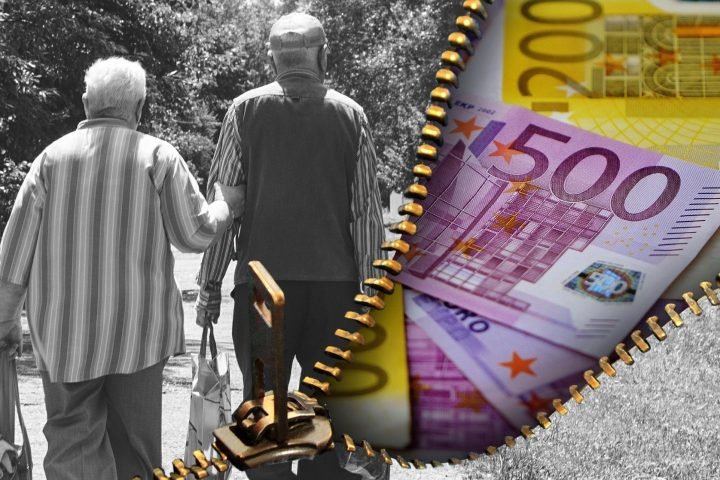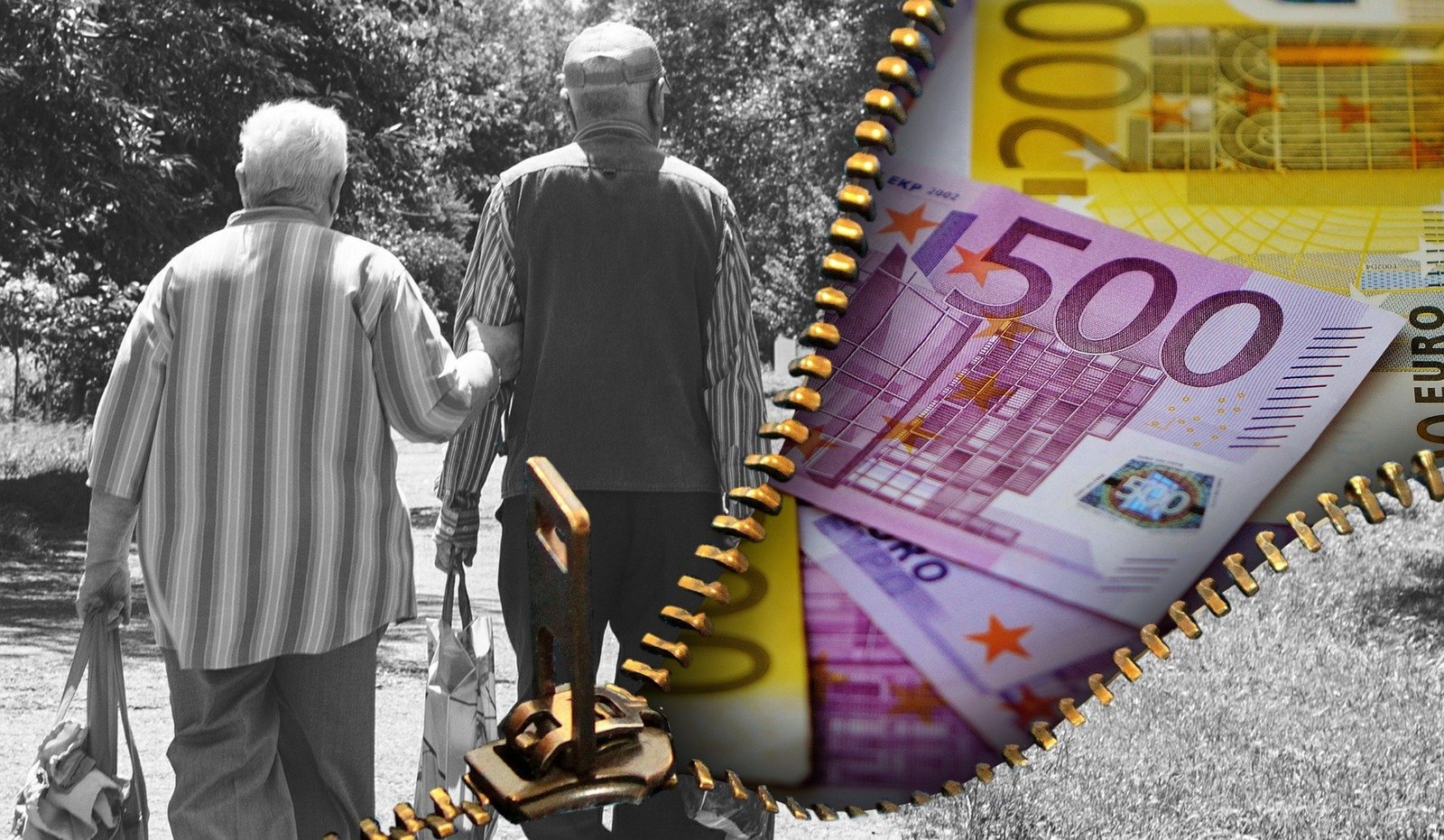

Individuals who have reached the statutory retirement age can now earn an additional €2,000 per month without paying income tax on that specific portion of their earnings. Below is an overview of how the “Active Pension” (Aktivrente) system works, who stands to benefit, and who is excluded.
How the Tax Exemption Works
The impact of the Active Pension is designed to be felt immediately through lower income tax withholding from monthly wages, rather than only after filing a tax return. Crucially, the Active Pension is not subject to the “progression clause” (Progressionsvorbehalt). This means these earnings do not push the individual into a higher tax bracket; for tax rate determination, only income exceeding the €2,000 limit is considered.
However, employees and employers remain obligated to pay contributions for health insurance and long-term care insurance. Employers must also continue to make payments into the pension fund and unemployment insurance.
Eligibility and Exclusions
The Active Pension system applies to all citizens who have reached retirement age and intend to continue working in employment subject to mandatory social security contributions. The program excludes:
- Civil servants (Beamte)
- Entrepreneurs and business owners
- Freelancers and self-employed professionals
- Workers in the agricultural and forestry sectors
Ruth Maria Schüler, a pension expert at the German Economic Institute (IW), criticized these exclusions in an interview with BR24, questioning the justification for providing tax relief for one type of income while excluding others. She suggested the government likely made these exceptions to prevent significant losses in tax revenue, as the self-employed are statistically more likely to continue working into old age.
Pensioners in “Mini-jobs” (marginal employment) also will not benefit. Since those earning the maximum mini-job limit of €603 per month already do not pay income tax, the new law has no impact on them. The Social Association VdK criticized the reform during its legislative phase, arguing that high-earners gain the most while those in mini-jobs receive nothing.
Potential Impact and Cost
It remains unclear how many people will utilize the Active Pension. In Bavaria, data from the Institute for Employment Research (IAB) shows that as of March 2025, approximately 63,700 people over retirement age were in employment subject to social security contributions. Meanwhile, three times as many—about 191,600 people in Bavaria—were in marginal employment and thus ineligible for the relief.
Chancellor Friedrich Merz expressed confidence that the Active Pension would be widely embraced. However, Schüler expressed doubt, noting that the motivation to work after retirement is often not financial, but rather for personal fulfillment.
According to Reuters, the program could cost the state €890 million annually. Ministry of Finance projections suggest annual tax revenue losses of this magnitude between 2026 and 2030. Furthermore, those who delay their pension already receive a 6% annual increase in their future payments. Under the Active Pension program, participants can earn €2,000 tax-free while simultaneously paying into their pension account, significantly increasing their future entitlements.
Source: BR24, Reuters, IAB, and IW

Latest Posts