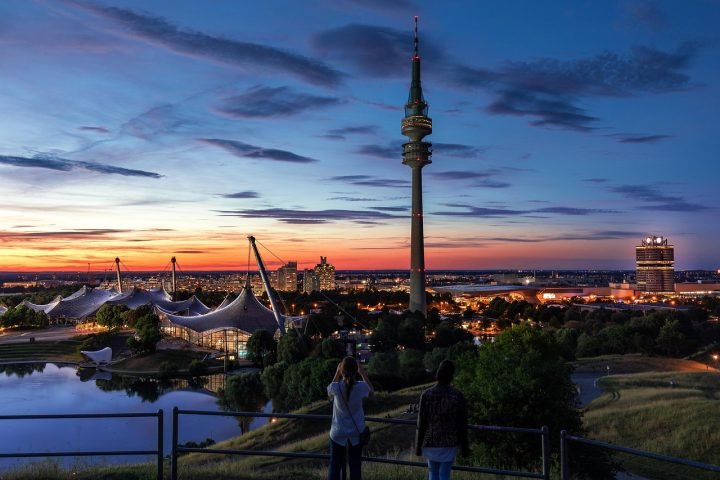

Given the current security situation, the question arises: What would actually happen if Munich were truly under military threat? Where would the population find shelter? An inquiry by t-online to Munich Fire Department shows: much is still unclear at present.
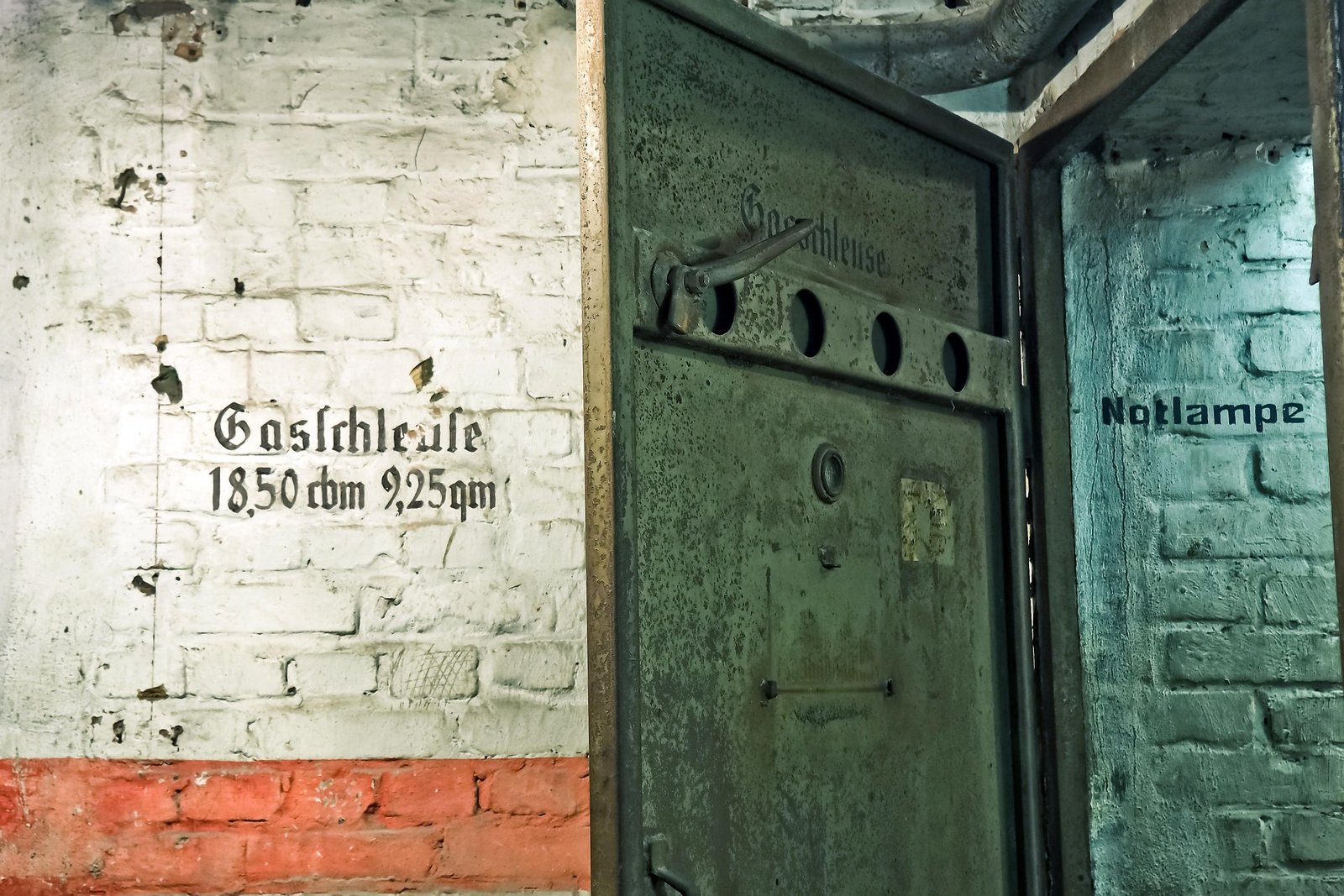
Between 2005 and 2022, eighteen shelters in Munich were released from their so-called civil defense obligation—meaning they have no longer been available for a state of defense since then. The remaining sixteen facilities are managed by the state capital on behalf of the federal government. According to the state government, four are owned by the city, and three belong to the Free State of Bavaria. The rest are privately owned.
However, Munich Fire Department emphasizes that ownership would be irrelevant in an emergency. “The use of both private-public and municipal-public shelters is guaranteed in the event of an attack,” the authority states.
Theoretically, the facilities could therefore be used—regardless of their operator—but technically, the facilities have likely not been operational for some time. Most date from the 1960s to the 1980s. Technical maintenance—for example, on air filters or emergency power generators—has not been carried out since 2007, according to the state government. That was when the federal government abandoned its previous shelter concept.
According to the fire department, the existing facilities no longer meet the requirements of modern threat scenarios. Shelters would need to be quickly accessible in an emergency and provide protection at least for a short period—this is no longer possible with the old infrastructure.
At the federal level, a new concept for structural civil protection is currently being developed. The Federal Office of Civil Protection and Disaster Assistance (BBK) is responsible. A first draft is expected by the end of this year. States and municipalities—including Munich—are involved in the development process.
Exactly how the cooperation between municipalities and the federal government will work remains open. When asked, Munich Fire Department merely referred to a working group established by the federal government. This group is currently examining how existing spaces—such as basements, public buildings, or businesses—could be used in the future as so-called self-protection spaces. The goal is to provide quickly accessible shelter locations in an emergency.
The locations of Munich’s shelters are not publicly known. According to the city, the locations will only be communicated during a crisis—for example, via warning apps, media, or sirens. The fire department did not comment, when asked, on whether this strategy is sensible for threat scenarios with extremely short warning times—such as from missiles or drones.
Instead, it emphasizes: “The information will be provided in a timely manner during a crisis via the known warning channels.” However, the publication of specific shelter locations is planned as part of the new concept. A specific date for the announcement of the locations is not yet available, the fire department added.
Statewide, according to the state government, there are still around 150 shelters with nearly 97,000 shelter spaces—more than a quarter of all remaining facilities in Germany. However, these also no longer meet the original requirements.
Instead, the state government points to the “good and predominantly solid construction” of many buildings, which could at least provide protection from blast waves and debris in an emergency.

Latest Posts