The anniversary falls on the same date on which, in 2016, one of the bloodiest acts of violence in Bavaria’s recent history claimed nine lives and left German society grappling for years with the question of how the state and law enforcement classify crimes with a xenophobic motive.
Ceremony in Moosach to Bring Together the Families of the Nine Victims
The central memorial ceremony will take place on Wednesday, 22 July, beginning at 4:00 p.m. at the “Für Euch” memorial in front of the shopping centre. Entry for participants opens at 3:00 p.m. Speakers will include German President Frank-Walter Steinmeier, President of the Bavarian State Parliament Ilse Aigner, and Munich’s Lord Mayor Dominik Krause (Greens). Relatives of the victims will also speak — the organisers describe their presence and participation in the programme as the central element of the ceremony.
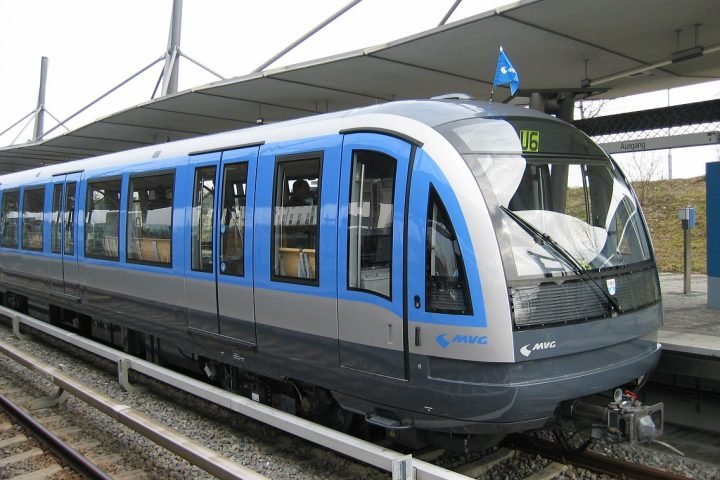
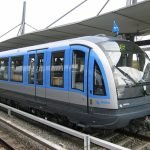
At the moment the attack took place — 5:51 p.m. — participants will honour the victims with a minute of silence and the laying of wreaths. Munich’s public transport operator will halt services for several minutes to mark the city’s shared grief. This is not the first time the city has made such a gesture: a symbolic halt to traffic has already featured in memorial events on previous anniversaries of the tragedy.
The programme will also include a reading of the victims’ names and musical performances. The official part of the ceremony will end around 7:00 p.m., though the memorial site will remain open afterwards for anyone wishing to lay flowers or leave a personal message.
Flags to Be Raised at Marienplatz, Memorial Plaque to Be Unveiled at the Town Hall
To mark the anniversary, flags will be raised at Marienplatz, making the memory of the victims visible at the very heart of the city, far from the site of the attack itself. In the town hall’s inner courtyard, a memorial plaque honouring the victims will be unveiled in a closed-format ceremony. The decision to do so was taken jointly by the city council factions back in July 2025 — a rare instance of consensus in Munich politics on the subject of commemorating the attack.
The Attack Was Long Not Recognised as an Act of Terrorism
The crime targeted people who were not white; the attacker had for some time before the attack shown interest in far-right ideas. The incident was initially classified as a spontaneous, ideologically unmotivated attack by a lone individual — a version involving the gunman’s alleged mental illness was put forward by police officials within the first hours after the tragedy and remained fixed in public discourse for a long time.
Only after sustained pressure from the victims’ relatives were independent expert assessments commissioned. These were prepared separately by three specialists in sociology, political science and far-right extremism. On the basis of these assessments, the relevant authorities later officially recognised the attack as a terrorist act with a xenophobic motive. For the victims’ families, official acknowledgment of the crime’s xenophobic nature remains a matter of fundamental importance — it means recognising that their loved ones were killed specifically because of their origin and skin colour, rather than as the result of a random, unmotivated act of violence.
What Happened on 22 July 2016
On the evening of Friday, 22 July 2016, an eighteen-year-old born in Munich to Iranian parents opened fire first near a fast-food restaurant next to the shopping centre, then inside the OEZ itself. According to official figures, he killed nine people, most of them teenagers and young people with migrant backgrounds, before shooting himself. Several dozen more people were injured or hurt amid the panic that gripped the city, fuelled by rumours and false reports on social media. Munich declared a state of emergency that evening; anti-terrorism special forces and helicopters carrying snipers were deployed to the shopping centre, and more than 2,300 police officers from several federal states took part in the operation. Although the attacker had spent roughly a year preparing for the crime and had studied the ideology of far-right terrorists, including Anders Breivik’s manifesto, investigators initially described the incident as an act of individual violence with no political motive. It was only years later, following the independent assessment, that authorities officially acknowledged the attack’s xenophobic, far-right character.
Memorial Site in Moosach Has Been Open Since April
In recent years, Munich, together with the victims’ relatives and loved ones, has taken a number of steps to preserve the memory of the tragedy. These include the “Für Euch” memorial at Hanauer Straße 77; the new memorial site in Moosach, opened in April 2025; and annual memorial events organised by the city in close cooperation with some of the victims’ families. Lord Mayor Dominik Krause stressed that for the city, remembrance is a duty — to see, to remember, to call things by their name, and to draw lessons from them for the future. According to the organisers, it is precisely this idea that shapes the logic of all the tenth-anniversary memorial events, from the minute of silence at the memorial to the unveiling of the plaque at the town hall.
Source: City of Munich