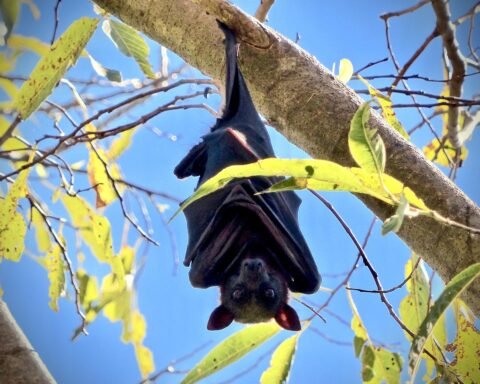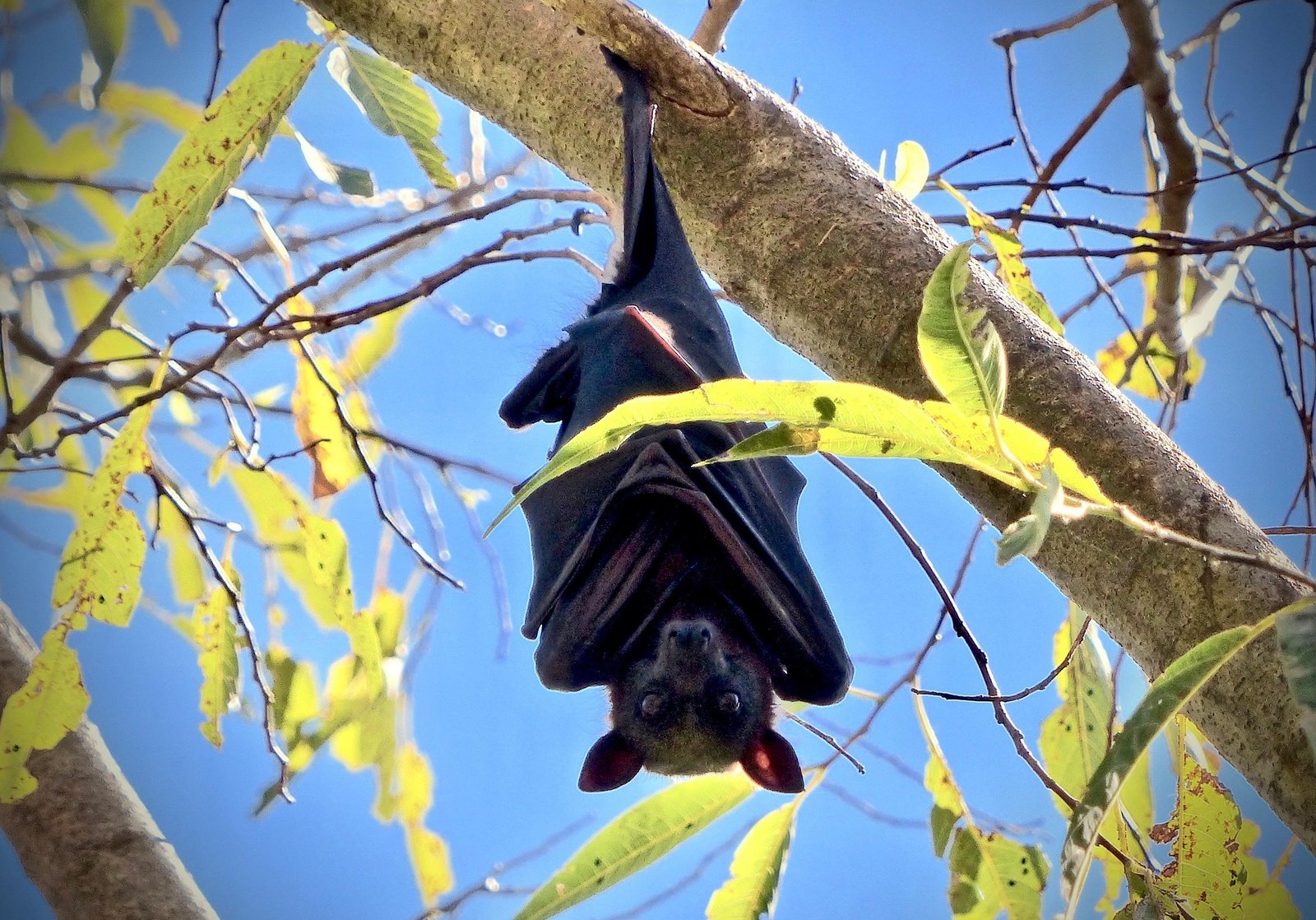

The district office issued an official warning for the population, having emphasized the necessity of strict compliance with preventive measures. The infected individuals were promptly sent for research after local residents drew attention to the atypical behavior of the chiropterans. Bat rabies belongs to the category of zooanthroponoses — infectious diseases common to humans and animals that affect the central nervous system and, in the absence of timely emergency vaccination, inevitably end in the death of the patient.
A rare pathogen discovered in Haibach: there is no reason for panic, but precautions are necessary
According to the results of a comprehensive analysis conducted by a specialized laboratory, in both individuals found in Haibach, precisely lyssavirus type 1 was diagnosed. Representatives of the district office confirmed that for this specific region, such cases are unprecedented.
On the scale of the entire federal state of Bavaria, these facts became the tenth and eleventh officially registered incidents of detecting rabies in bats for the entire period of keeping statistical records. In Germany, this virus circulates predominantly in populations of serotine bats (Eptesicus serotinus), however, the general infection rate of chiropterans remains at an extremely low level, therefore the local veterinary service does not see weightier reasons for panic among the population.
Nevertheless, employees of sanitary structures strongly recommend to completely exclude tactile contact with wild animals without means of individual protection. Even if it seems to you that these animals need to be saved, fed, or watered in the heat. Upon discovering weakened individuals, one should use thick working gloves. Besides, it is prescribed to isolate domestic pets, especially cats and dogs, from any contacts with representatives of wild fauna, as well as to regularly check the availability of up-to-date vaccinations against rabies in them.
What signs indicate a suspicion of rabies in a bat?
The Bavarian State Office for Health and Food Safety (LGL) has developed clear criteria allowing citizens to timely determine a potential epidemiological threat. A bat is classified as suspicious for rabies infection if it completely loses its natural fear of humans, does not offer resistance when attempting to take it into hands (generally, what normal person will take a wild animal into hands? — ed), makes chaotic movements during the daytime, or demonstrates unmotivated aggression.
The discovery of dead chiropterans on adjacent territories also requires heightened vigilance.
In such situations, citizens are prescribed to immediately inform the local veterinary office or the police, avoiding independent disposal of the animal bodies.
Timely application to medical specialists within the first hours after a possible bite or salivation of skin coverings guarantees one-hundred-percent efficiency of post-exposure prophylaxis, which makes the awareness of the population the main factor of collective safety.

Latest Posts