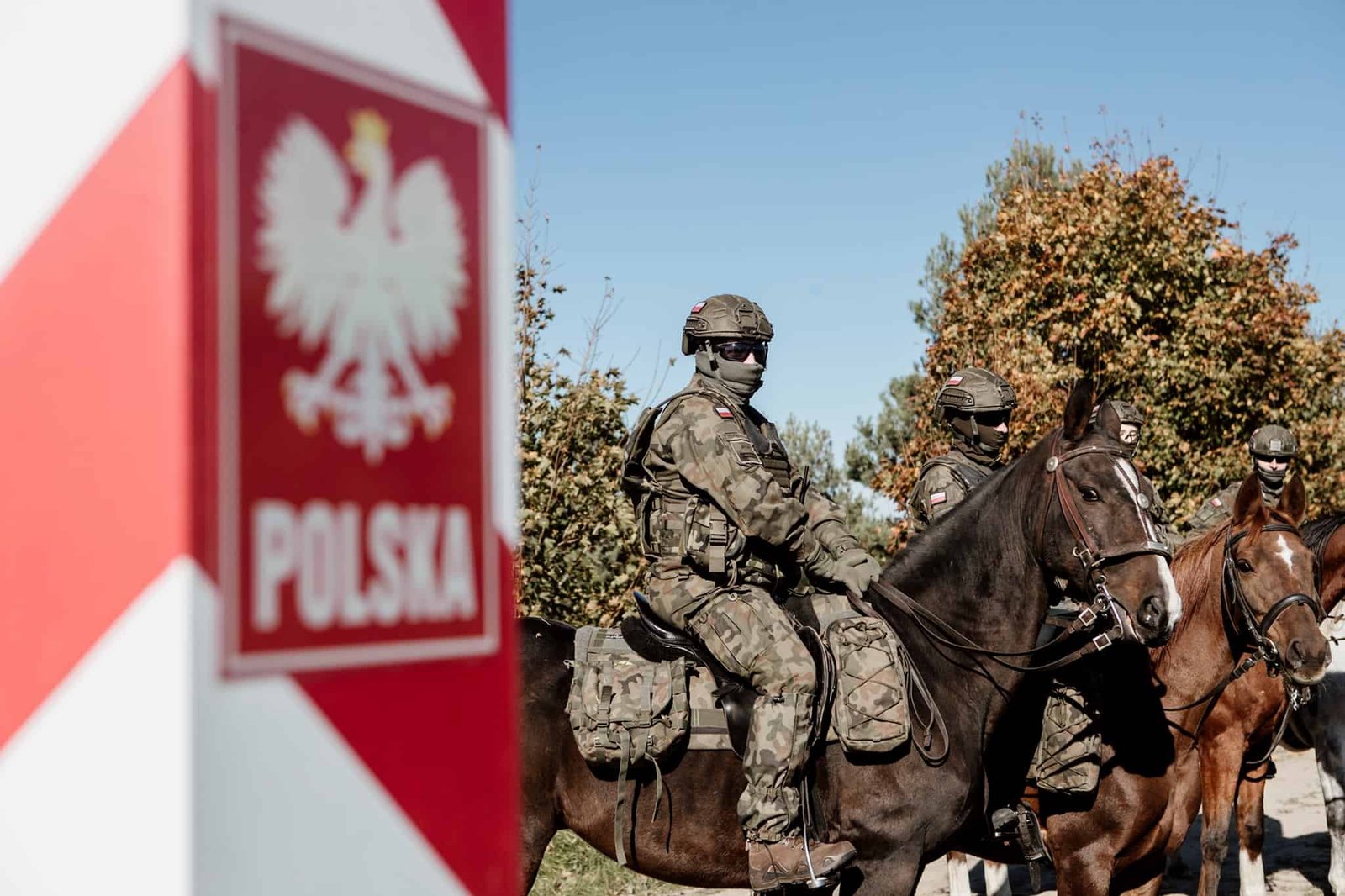

In response, German Chancellor Friedrich Merz proposed joint migration controls in border regions to enhance cooperation.
Speaking on Tuesday, Tusk said the new checks aimed to “limit and reduce the uncontrolled inflow and return of migrants.” He added that Germany had been informed of the plans as early as March and that he had discussed the issue multiple times with Chancellor Merz. Tusk emphasized that Poland’s patience had run out.
Germany had already reintroduced temporary border controls within the Schengen Area, which typically prohibits fixed internal borders between member states. The German government cited migration management as the reason for the move. These measures allow the Federal Police to turn back asylum seekers under certain conditions, though such decisions must be reported to and approved by the European Commission.
The Police Union (GdP) in Germany expressed concern over the new developments. Andreas Roßkopf, the union’s federal chair for the Federal Police and Customs, warned against a potential scenario in which migrants turned away by Germany would be returned to Poland, only to be rejected again. He cautioned against such a “ping-pong” situation and called for coordinated solutions.
Merz addressed the issue during a joint appearance with Luxembourg’s Prime Minister Luc Frieden in Berlin. He rejected media claims from Poland suggesting that Germany was conducting organized returns of asylum seekers across the border. “There are occasional reports alleging organized repatriation tourism to Poland – that does not reflect reality,” said Merz.
The chancellor emphasized that Germany was already in talks with Poland and Luxembourg about implementing joint controls in areas near the borders. He said the goal was to better manage irregular migration not only at official crossings but also in adjacent areas.
Merz also noted a growing consensus within the European Union for tougher migration measures. In recent talks with the Netherlands, Italy, and Denmark, he said it had become clear that 21 EU member states now supported stricter policies.
However, the legality of turning away asylum seekers at the border remains contested. Earlier in June, the Berlin Administrative Court ruled that three Somali nationals who had been denied entry to Germany despite seeking asylum should not have been turned away. In light of this, Federal Interior Minister Alexander Dobrindt of the CSU has called for a definitive ruling from the European Court of Justice to clarify the legal framework.
Sources: dpa, Reuters

Latest Posts