
A central question lingers for them all: what will happen next?
Munich Rally Shows Cross-Community Solidarity
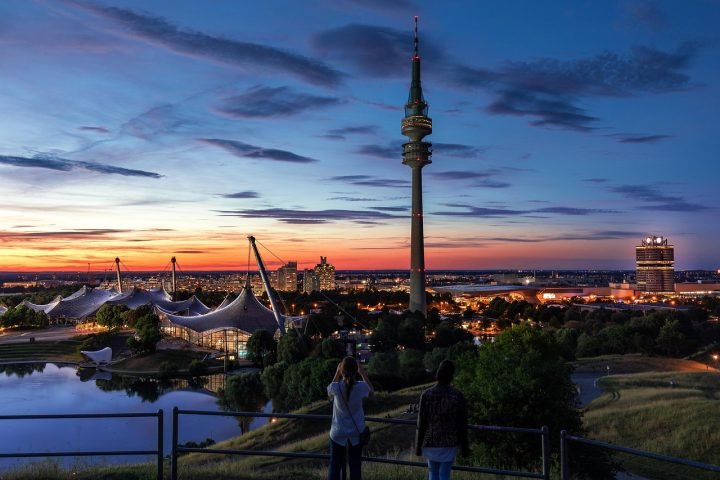
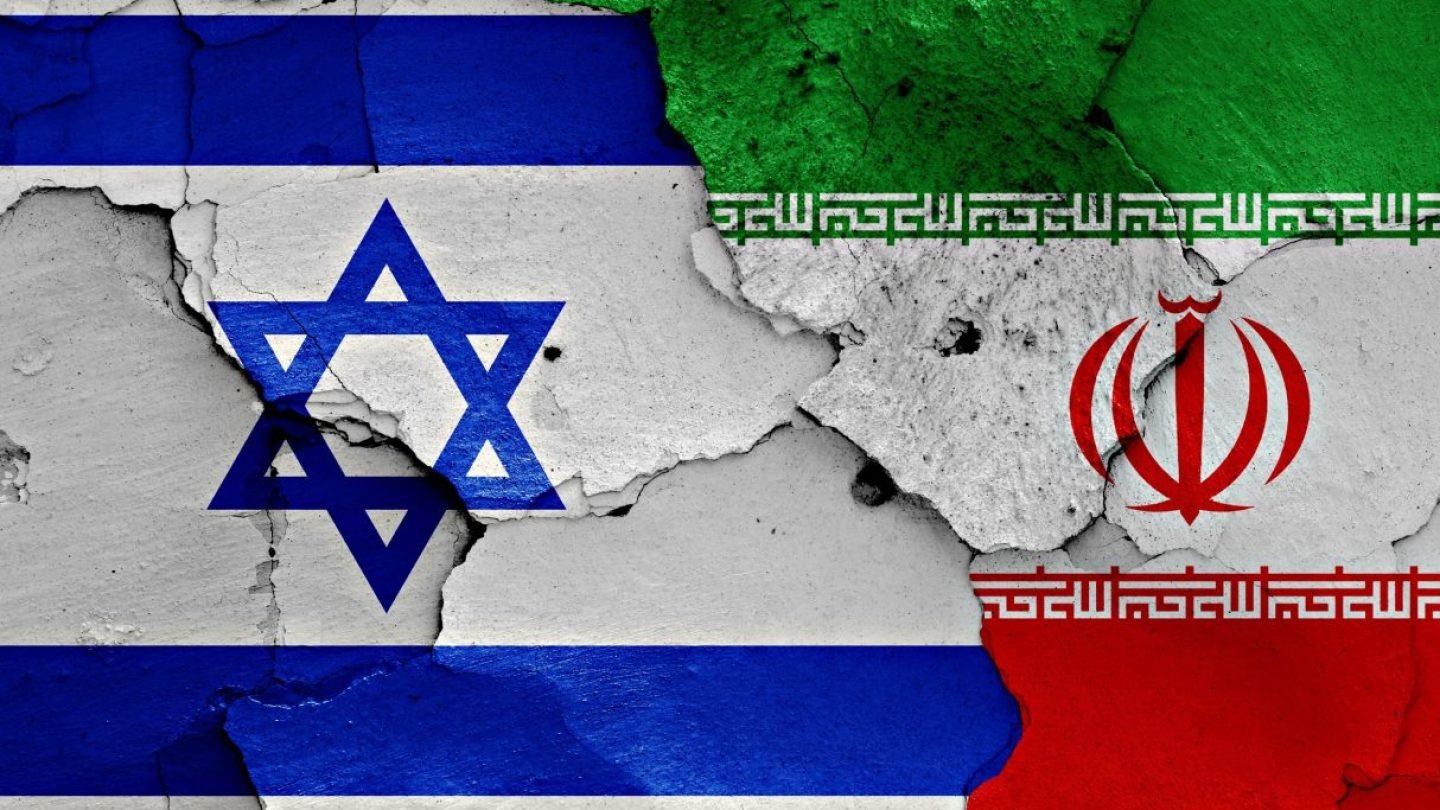
About a week ago, on a Friday evening, roughly 120 people gathered at Sendlinger Tor in Munich. Among them were Iranian and Israeli expatriates who came together to show support for the civilian populations of both nations. The demonstration was organized at short notice following a missile attack by the Iranian regime on a hospital in Be’er Sheva—Munich’s sister city—during the armed conflict between Iran and Israel, which had then entered its twelfth day.
Iranian and Israeli Women Unite in Protest
Among the demonstrators was Somayeh, an Iranian woman who has lived in Germany for fifteen years. She carried the historic Iranian flag bearing the lion and sun, a symbol commonly used by critics of the regime to distance themselves from the official emblem of the Islamic Republic.
Stav, an Israeli student, also attended, draped in an Israeli scarf with the Star of David. Her family in Israel was under constant threat from rocket fire at the time, causing her great anxiety. Still, she said it was important to her to stand in solidarity not only with Israelis but also with the oppressed people of Iran.
Escalation of Violence Followed by Ceasefire
Since the rally, the political situation escalated further. The Israeli Air Force bombed over 80 targets across Iran, including military facilities, oil reserves, suspected nuclear sites, and even the Ministry of Defense in Tehran. According to media reports, several high-ranking Iranian military officials and nuclear scientists were killed in the strikes.
The U.S.-based NGO Human Rights Activists News Agency (HRANA) reported that the Israeli attacks claimed at least 657 lives, including approximately 263 civilians.
Iran retaliated with missile and drone strikes on Israeli cities. These attacks left at least 24 people dead, injured hundreds more, and destroyed numerous buildings.
In response, the United States bombed three suspected Iranian nuclear sites. A ceasefire was declared on June 25, with Israel stating that its military objectives had been fully met.
Relief Mixed with Lingering Fear
One week after the demonstration, both Somayeh and Stav expressed cautious relief that active fighting had ceased, at least temporarily. Somayeh, who fled Iran due to its repressive regime, continued to hope for political change in her home country. She welcomed the fact that communication with her family and friends had become more stable again after long periods of restricted phone and internet access. Still, she remained cautious in her optimism: “Like many other Iranian women, I try not to lose hope,” she said.
Stav was grateful that her relatives in Israel had not been harmed, but she remained skeptical of the ceasefire’s durability. She noted that the Iranian regime had threatened Israel with destruction for decades. “Every morning I look at my phone, afraid that a rocket might have hit someone in my family. All my relatives want is to live a normal life—just like you,” she said.
Antisemitic Incidents and Repression Intensify
Although she said she generally felt safe in Bavaria and appreciated the regional government’s support for Israel, Stav expressed concern over rising antisemitism. “There are demonstrations where Israel’s right to exist is questioned or Hamas is glorified. Some classmates have even told me: ‘Go back to where you came from.’”
Somayeh, too, described troubling developments. Iranian citizens, she said, had been warned by officials against following Israeli social media channels. People who took part in overseas protests were reportedly threatened. Since the ceasefire began, the Iranian regime had increased executions, with many victims accused of allegedly cooperating with Israel.
Uncertainty Over What Comes Next
The future of the Middle East remains unclear. This uncertainty is shared by Guy Katz, a professor at Munich University of Applied Sciences and a member of the initiative “Run for their lives,” which advocates for the release of Israeli hostages. About 50 people remain in Hamas captivity; according to the Israeli army, only half of them are believed to still be alive.
“We are glad our families no longer have to live in bunkers and that returning to Israel is now possible,” Katz said. “But we don’t feel like the war is truly over.” He added that hopes for fundamental political change in Iran had largely faded for now.
Building Connections Across Divides
At the Munich rally, personal connections were forged. Iranians and Israelis exchanged phone numbers and social media accounts. Many expressed the same heartfelt desire: to finally live in peace, without the constant fear of war and violence.

Latest Posts