
The reassuring result revealed that there is little difference in pesticide residues between strawberries grown in Germany and those imported from Southern Europe.
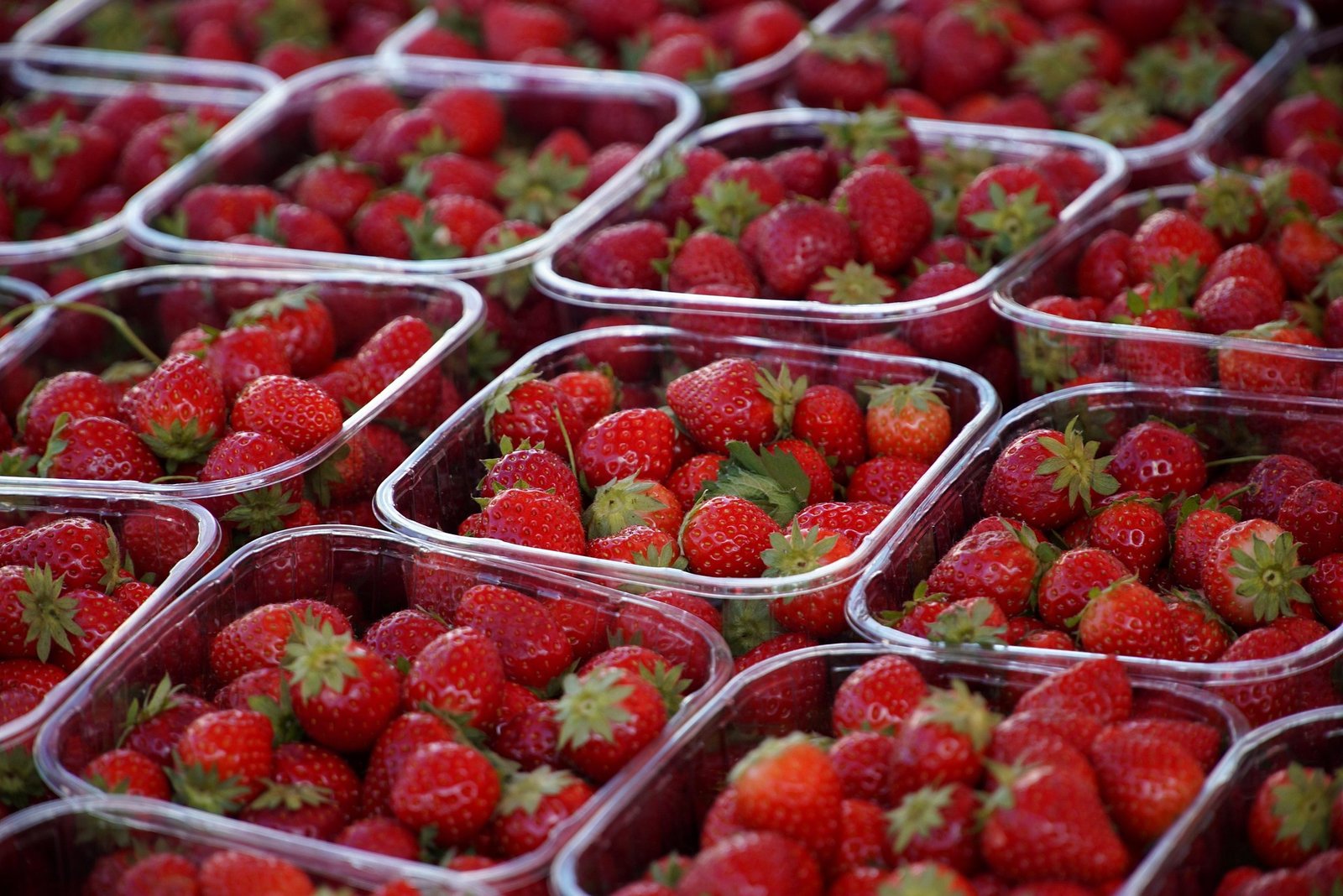
According to a recent analysis by Stiftung Warentest, imported strawberries from Southern European countries do not generally contain higher levels of pesticides than domestically grown fruit. All 23 samples tested received an overall good rating. The detected residue levels ranged consistently from “very low to low” and remained well below the legally permitted maximum limits.
Organic Products Show Better Results
Organic strawberries, however, showed a clear advantage. Swantje Waterstraat from Stiftung Warentest explained: “While conventionally grown strawberries contained up to twelve different pesticides in one sample, we found no residues at all in the four organic samples tested.” Consumers must, however, pay significantly more for this quality: locally grown organic strawberries can cost up to five times as much as conventionally produced imported ones.
Despite the generally low pesticide levels, Stiftung Warentest recommended buying regionally grown strawberries. These fruits are not only more aromatic because they are harvested fully ripe, but also contain a higher concentration of nutrients such as vitamin C. In contrast, strawberry varieties from Southern Europe are often bred for long-distance transport and therefore tend to be less flavorful.
Environmental Aspects Should Not Be Overlooked
Many ecological arguments also favor regional fruits. Stiftung Warentest pointed out that flown-in strawberries from North Africa leave, on average, a carbon footprint twelve times larger than that of seasonal domestic strawberries. Strawberries grown in heated greenhouses during the winter are particularly harmful to the climate—even if they come from Germany.
In terms of climate balance, Spanish strawberries do not perform significantly worse than regional produce. However, Stiftung Warentest highlighted two critical factors: first, strawberry cultivation has greatly worsened water scarcity in the key growing region of Huelva in Andalusia; second, the often poor working conditions of the seasonal laborers employed there were criticized.
Source: AFP

Latest Posts