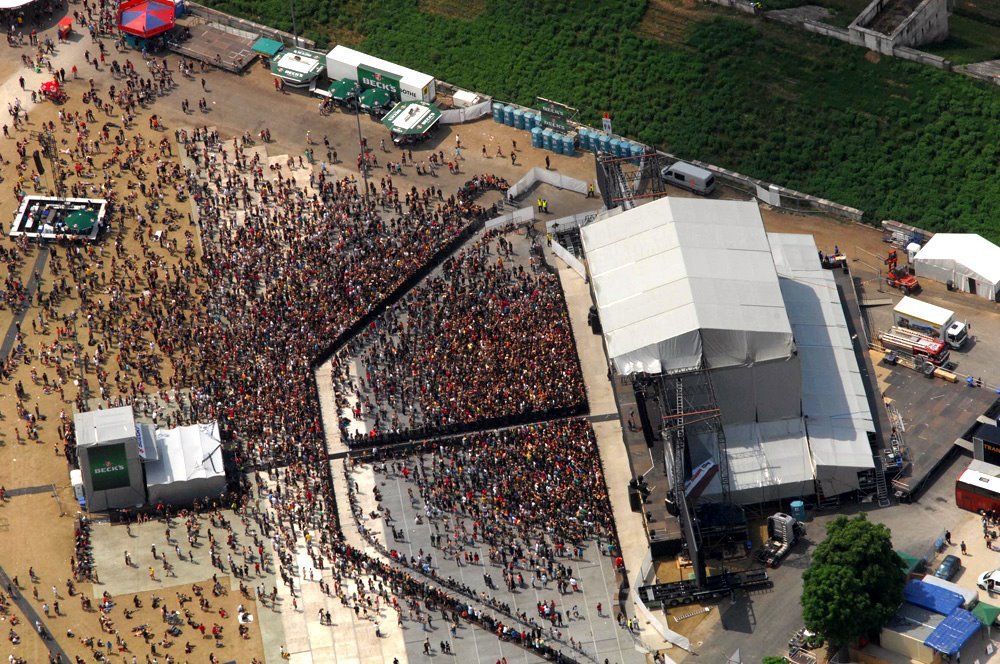

With 100 bands performing across four stages, the sold-out event has drawn 88,500 fans to Nuremberg, marking one of the largest editions in the festival’s history. Ahead of the official opening, organizers offered an exclusive look behind the scenes, showcasing the immense logistical effort involved.
Tens of Thousands Begin Arriving as Campsites Fill
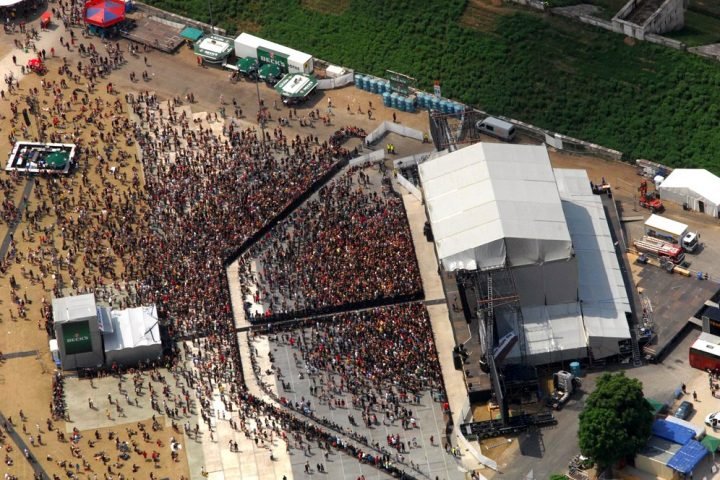
Festivalgoers began arriving as early as Thursday, setting up tents around the Dutzendteich area. With attendance surpassing the population of an entire city like Bamberg, the event presents a massive organizational challenge, according to festival spokesperson Matthias Adolph.
Infrastructure on a Massive Scale
The technical and logistical operations behind Rock im Park are staggering. Organizers have installed 12 kilometers of electrical cable and enclosed the site with 32 kilometers of fencing. To protect the grass in front of the stages, 40,000 square meters of white ground plates have been laid.
Medical preparedness is also extensive: over 1,100 emergency personnel from the Red Cross, ASB, Malteser, DLRG, and Johanniter are on standby. A new feature this year is the use of telemedicine, allowing doctors to provide support remotely via digital connections in non-critical cases—a first for an event of this size.
Rare Access to Artists’ Backstage Preparations
The festival officially launches on Friday, with major acts like Slipknot, Korn, and Bring Me the Horizon headlining. Ahead of the opening, select media were given a behind-the-scenes look at artist areas inside the stadium and adjacent arena. Headliners enjoy more privacy in exclusive backstage zones, including popular VIP lounges offering panoramic views of the venue.
Rain Expected, But Safety Measures Are Ready
Though forecasts predict unsettled weather, organizers remain optimistic about the atmosphere. Rain and mud are seen by many as part of the authentic festival experience. In case of thunderstorms, a robust safety plan is in place: attendees can seek shelter in the Nuremberg stadium or nearby exhibition halls.
From Humble Beginnings to a National Institution
“Rock im Park” began in 1995—not in Nuremberg, but in Munich. Just two years later, it moved to its current home in the Franconian capital and steadily grew in size and stature. Initially welcoming 50,000 fans on two stages, it has since become a cornerstone of Germany’s music calendar. After a two-year pause due to the COVID-19 pandemic, the festival returned with renewed energy and enthusiasm.
Running in parallel this year is its sister event, “Rock am Ring,” held at the Nürburgring. Celebrating its 40th anniversary in 2024, both festivals represent milestones in the European rock music scene—two landmark events happening simultaneously on German soil.

Latest Posts