
Hermann Meyer, founder of the Garmisch-Partenkirchen-based training initiative Alpine First Aid, emphasizes a simple but crucial message: doing nothing is the worst mistake. In mountainous environments, those in life-threatening situations often rely on bystanders for help. That’s why Meyer trains his course participants in realistic outdoor scenarios—like how to respond when encountering an injured mountaineer.
Staying Calm and Gaining Clarity
The first step in an emergency is to stay calm and assess the situation: Is the area around you dangerous? Is there a risk of further falls or injury? Do you have stable footing? Only once safety is ensured should you approach the injured person and attempt communication. A full body check should follow—examining the individual from head to toe to detect injuries. Meyer advises always carrying disposable gloves in your backpack. His courses also teach how to treat wounds and apply pressure bandages properly. For many, overcoming hesitation is a major hurdle—fear of doing something wrong is a common barrier to taking action.
You Don’t Need to Diagnose
Cardiovascular problems are among the most frequent causes of emergencies in alpine areas. But recognizing symptoms like a heart attack isn’t always straightforward. For example, women may experience upper abdominal pain instead of chest pressure, which could also point to digestive or gynecological issues.
However, as Meyer—an experienced paramedic and sports scientist—stresses, laypeople are not expected to make medical diagnoses. What truly matters is being observant and taking action when in doubt. It’s better to call for help unnecessarily than to ignore a potentially life-threatening situation.
Call Emergency Services as Soon as Possible
In any serious incident, dialing the Europe-wide emergency number 112 should happen without delay. Providing accurate information is critical, especially the type of injury and the precise location. Meyer strongly recommends installing the “SOS-EU-ALP” app, which is operational in Bavaria, Tyrol, and South Tyrol, and can pinpoint a caller’s GPS coordinates. Users should also familiarize themselves with how to access GPS data on their smartphones.
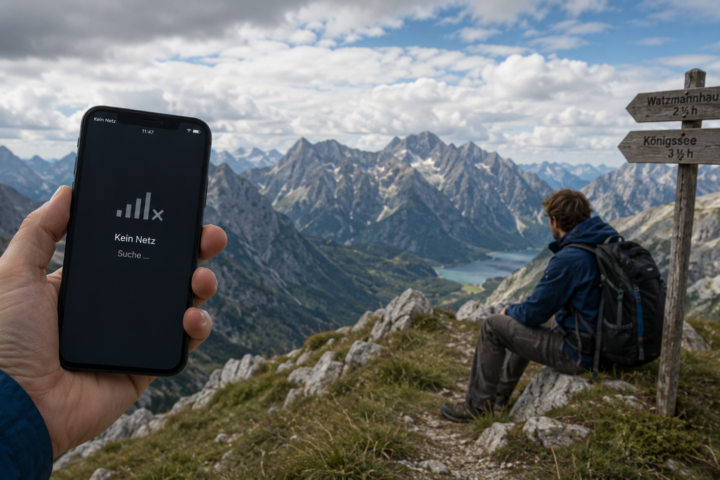
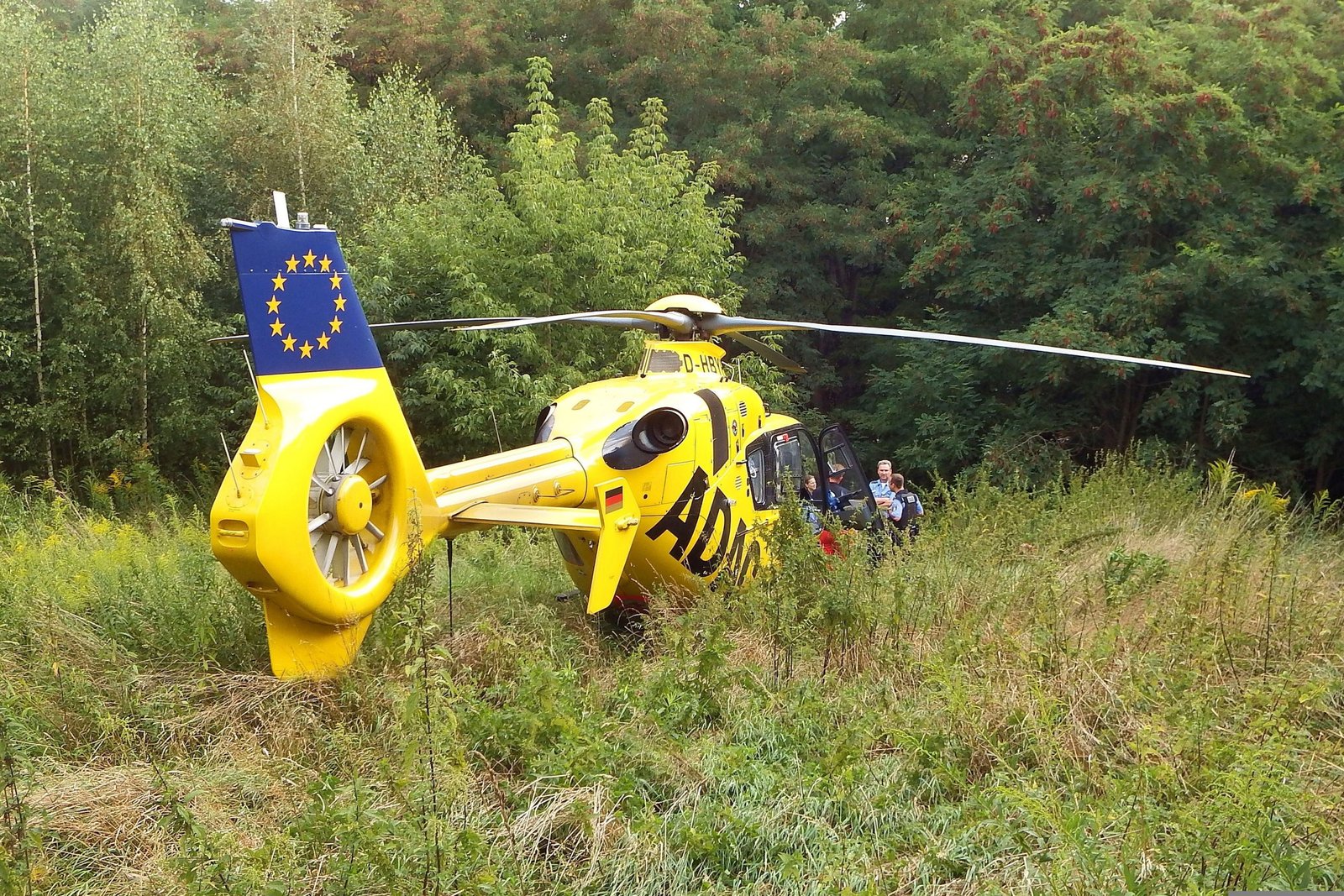
Because making an emergency call in remote terrain—where there may be no signal or phone access—is often difficult, Meyer also offers specialized training on emergency communication. When rescue isn’t immediately accessible, first responders may need to act independently and improvise. This is a key focus of the Alpine First Aid program.
Preventing Hypothermia Is Critical
Another vital issue in mountain emergencies is preventing hypothermia. A thermal blanket is an essential part of any first aid kit. Courses include hands-on training on how to use it properly to protect injured or exhausted individuals from cold exposure. The Bavarian Red Cross also provides mountain-specific training, and its Innsbruck branch offers programs tailored to alpine emergencies. Courses held by sections of the German Alpine Club also teach essential first aid techniques to use until mountain rescue arrives.
Regularly refreshing first aid knowledge—through repeat courses, reading materials, or informational brochures—is highly recommended. Being well-prepared in the event of a mountain emergency can mean the difference between life and death.
4o

Latest Posts