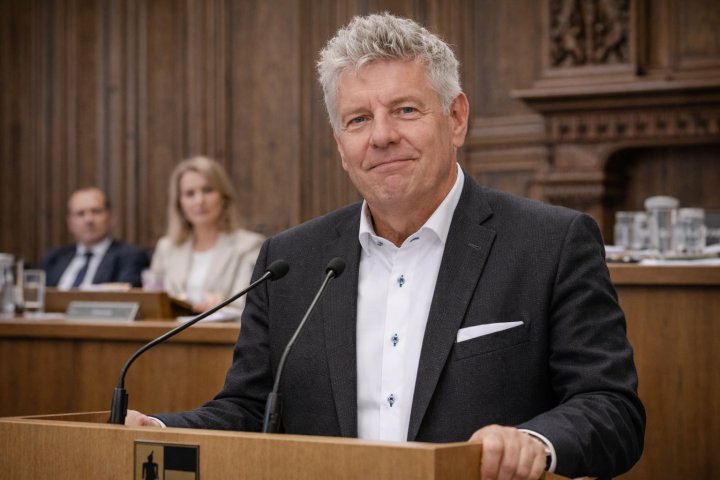

The symbolic nature of this move is clear: the city holds only 23 percent of shares in the airport operating company, while the controlling stake belongs to the state of Bavaria and the federal government, meaning the Munich side does not have a formal majority of votes. Nevertheless, the Lord Mayor’s position has marked a line of confrontation between city leadership and federal authorities on one of the most sensitive issues in Germany’s migration policy.
Terminal designed for more than a tenfold increase in deportations
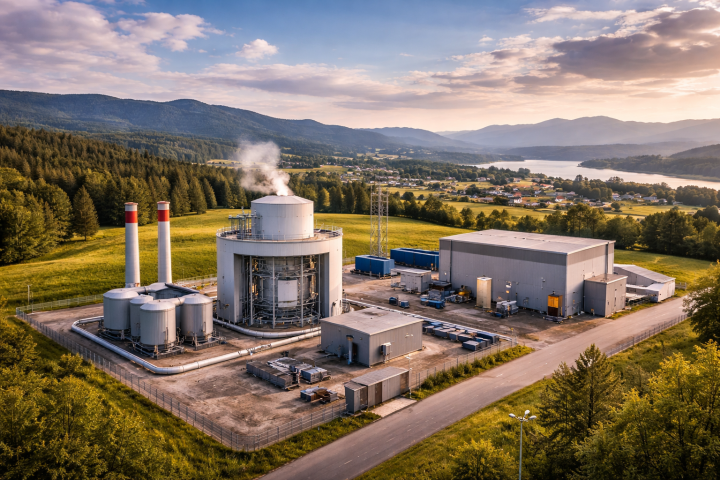
The Federal Police plans to build a new terminal at Munich Airport for so-called return flights — specialized transports of persons subject to deportation. According to the police’s own figures, from autumn 2028 the facility will be able to handle up to 100 deportations per day. The agency stresses that this figure represents the upper limit of capacity, not a level intended to be reached on a continuous basis.
The construction is explained by the need to streamline the deportation procedure, which currently takes place simultaneously at different points in the airport, creating logistical and organizational difficulties for the Federal Police.
The terminal’s stated capacity significantly exceeds current figures. In 2025, around 2,500 people were deported from Munich. At maximum capacity, the new terminal would be able to handle more than ten times as many deportations per year — this disproportion has become the main argument of the project’s critics.
In comments to the newspaper Abendzeitung, Krause said he does not want Munich to become a deportation hub for Germany or for Europe as a whole. In his view, the terminal’s stated size indicates that it is intended to handle not only flights from Bavaria or the rest of Germany, but from other European countries as well. Deportations on such a scale, the Lord Mayor added, should not become part of the business model of Munich Airport.
More than 50 organizations demand the project be stopped
The Greens/Rose List faction in Munich’s city council has backed the Lord Mayor’s intention. The faction’s chair, Clara Nitsche, acknowledged on Tuesday that a vote against the project in the supervisory board will not stop its realization, since the decision effectively rests with the state and the federal government.
Nitsche called the terminal’s construction costly symbolic politics without any real purpose, noting that amid a declining number of asylum applications in Germany, the facility’s stated scale is excessive and does not correspond to current migration statistics.
The Greens and Left factions in the city council had already, in July 2025, called on then Lord Mayor Dieter Reiter (SPD) to block the construction. A year earlier, the current faction had made a similar appeal to the previous city leadership. More than 50 organizations also oppose the project’s realization, including the Bavarian Refugee Council and Greenpeace.
Background: Krause’s stance on migration
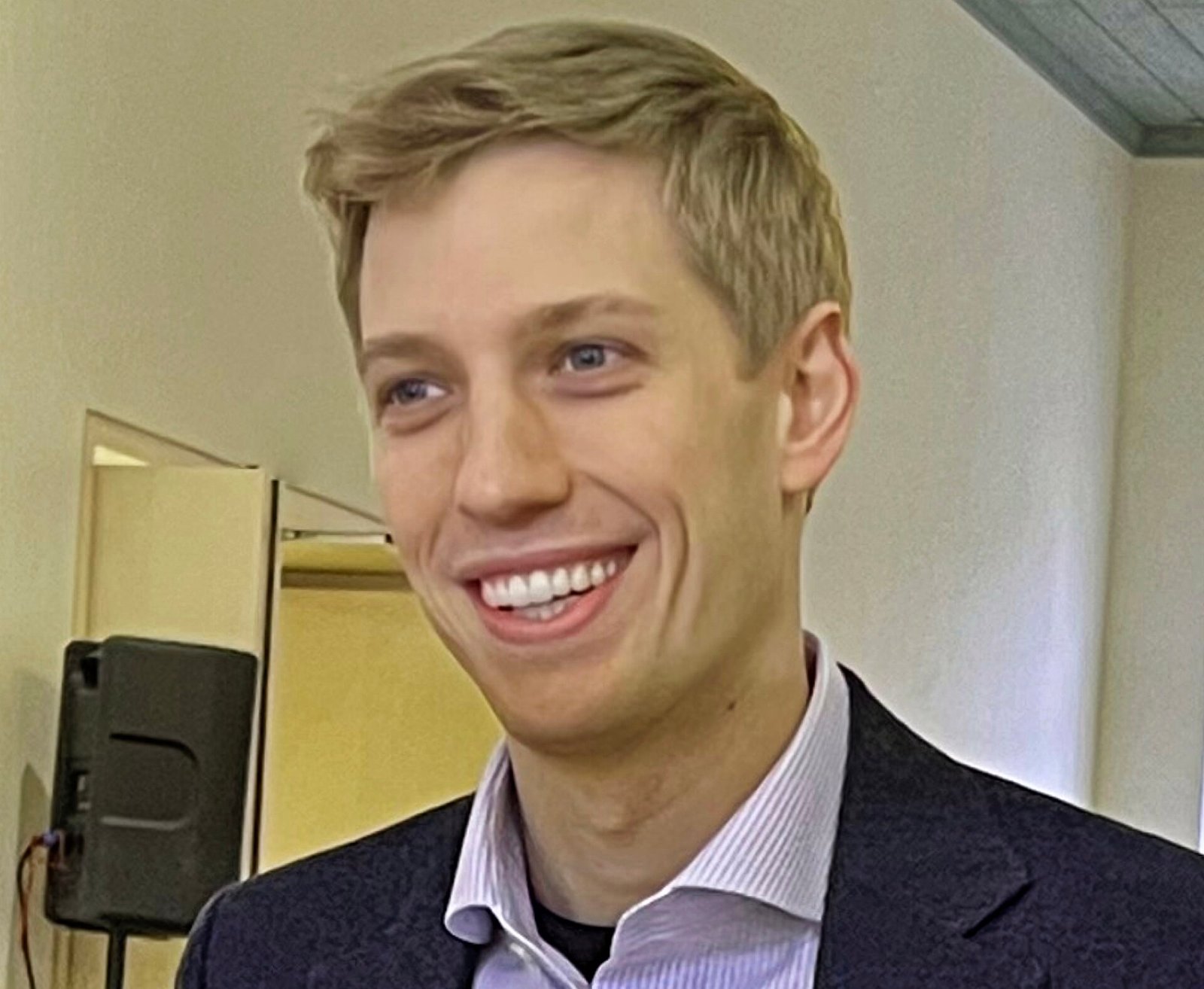
Dominik Krause, a physicist by training and a longtime member of Munich’s city council, won the election for Lord Mayor in March 2026, defeating longtime SPD incumbent Dieter Reiter in the runoff and ending more than 70 years of Social Democratic dominance at city hall. Krause’s campaign centered on affordable housing — above all, a pledge to build 50,000 new apartments — as well as on transport reform and reducing bureaucracy.
Migration was not a central point of his platform, but it held a notable place in his public rhetoric. In his inaugural address on May 11, 2026, the new Lord Mayor specifically noted that nearly half of Munich’s residents have migrant roots or do not hold German citizenship, called them a full part of the city community, and pledged to oppose any attempts to devalue them or exclude them from public life — regardless of which political side such attempts might come from. Krause’s current position on the deportation terminal is a logical continuation of this line, one he had staked out even before taking office.
The standoff over the terminal reflects a broader conflict of authority between the municipality and federal structures over Germany’s migration policy. Even given the symbolic nature of the vote at the airport’s supervisory board, Krause’s position could increase pressure on the Federal Police and the Bavarian government, especially since it is backed by the city council and a broad coalition of human rights organizations.
The final decision on the project, however, rests with the shareholders holding the controlling stake — that is, with the state of Bavaria and the federal government.