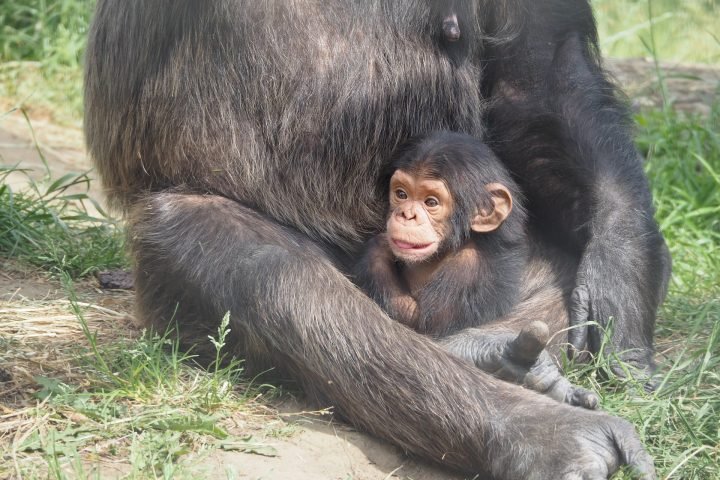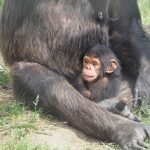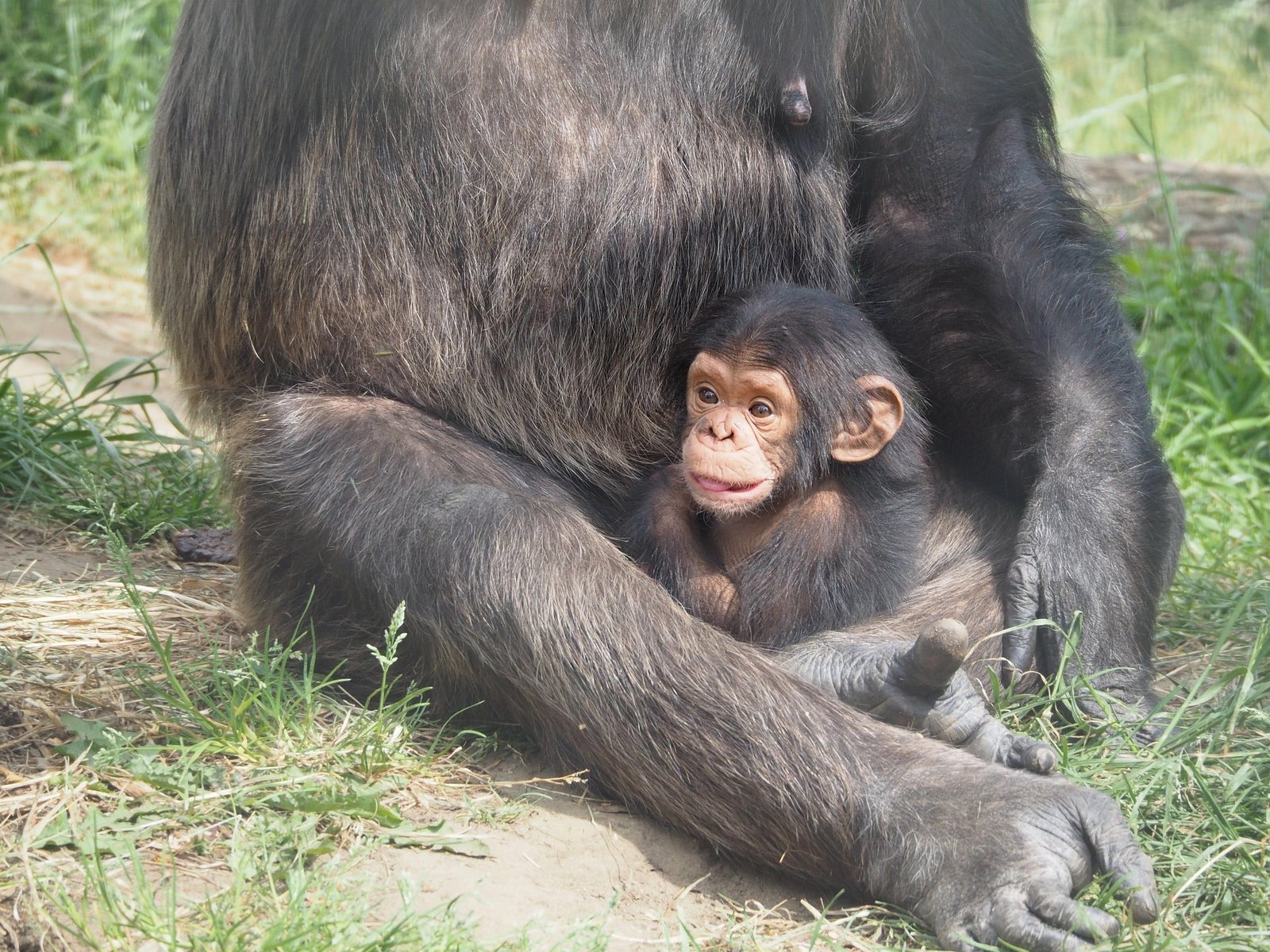

Only 43 individuals of this subspecies live in zoological institutions globally. In the wild, they inhabit the Congo, Gabon, and Cameroon, where their population is also rapidly declining.
The male, Jumbo, arrived in Munich only last year upon the recommendation of the European Endangered Species Programme (EEP). His pairing with two females from Hellabrunn, Zenta and Sophie, was purposefully planned to ensure the survival of this dying subspecies.
Curator called the birth an important milestone in species conservation
The expansion of our chimpanzee group, which has existed since 2003, was a clear EEP recommendation for the Central African chimpanzee subspecies, explained curator Dr. Hanspeter Steinmetz, according to the press release. Following the completion of Jumbo’s adaptation period at the end of 2024, this birth became a significant achievement for us. Furthermore, he emphasized the responsibility held by a scientifically managed zoo: As a scientific institution, we bear the responsibility for the conservation of threatened species. With the appearance of this offspring, we are making a significant contribution to forming a reserve population of this subspecies.
The reason for the emergency situation: according to the Jane Goodall Institute, the number of chimpanzees in nature has decreased by more than 80 percent since the 1950s. The press release cites habitat loss, illegal hunting, rainforest deforestation, and the consequences of climate change as the causes.
Mayor Dietl called the event great news for Munich
Munich Mayor and supervisory board member Verena Dietl also expressed her delight regarding the addition. The birth of a chimpanzee cub is great news for Munich and convincing evidence of Hellabrunn’s active work in species protection. The zoo shows how successfully responsible breeding programs, scientific work, and the emotional perception of animals interact, Dietl was quoted as saying. She expressed confidence that the little chimpanzee would capture the hearts of zoo visitors.
Zoo director Rasem Baban, moreover, emphasized the educational value of the offspring’s arrival: We are convinced: people protect what they know, noted Baban according to the report. It is precisely a baby that attracts attention and evokes a sense of empathy. Whoever observes in the pavilion how closely it clings to its mother, how it casts its first curious glances at the group and cautiously explores the world around it, directly sees how complex and social chimpanzee life is. This experience forms understanding—and understanding is the basis for effective nature protection.
The family grows: eight chimpanzees now live in Hellabrunn
Visitors can see the small family—Jumbo, Zenta, and the baby—in the Urwaldhaus pavilion. At the same time, according to the press release, the animals have access to indoor enclosures at any time where they can retreat. It is important for the zoo to ensure sufficient peace for the chimpanzees.
In total, the chimpanzee group in Hellabrunn now numbers eight individuals. In addition to the four Central African chimpanzees, the group includes males Willi and Walter (both sons of Sophie), as well as females Hannerl and Annemarie. The previous cub born in Hellabrunn before this case was Walter—this occurred in 2003.Источник: Tierpark Hellabrunn

Latest Posts