
Police Resources Under Extreme Strain
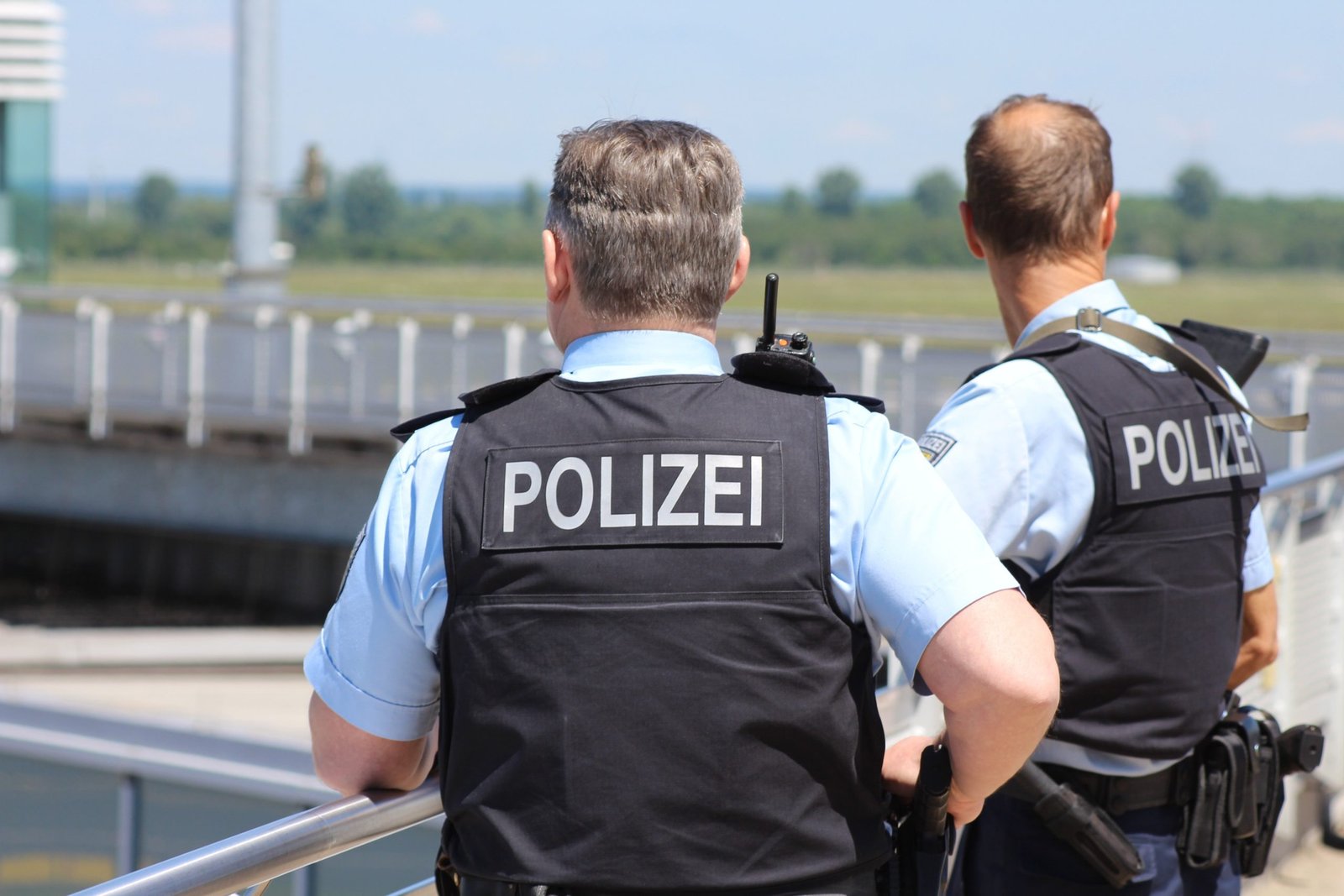
The enhanced border enforcement and rising number of asylum seeker turnbacks are putting significant pressure on federal police forces. The GdP believes this level of operation cannot be maintained long-term without undermining other critical functions. Despite these warnings, the Interior Ministry maintains there are no immediate plans to scale back the measures.
A ministry spokesperson acknowledged the burden placed on federal police officers and support units, but emphasized the continued necessity of the controls. Federal Interior Minister Alexander Dobrindt (CSU) believes the intensified checks are vital to national security. The ministry expressed confidence in the federal police’s ability to manage such operations, referencing their past performance during other extended deployments. It also assured that essential duties, such as airport and train station security, will continue uninterrupted.
Police Union: Only Weeks Left Before Capacity Breaks Down
GdP chairman Andreas Roßkopf warned that the current workload is only sustainable for a few more weeks. Speaking to the Funke Mediengruppe, he explained that the increased deployment is being maintained only by suspending training programs, altering schedules, and halting efforts to reduce overtime. “We are at the edge,” said Roßkopf. “These measures can’t be sustained much longer.”
In an interview with ARD’s capital bureau, Roßkopf detailed that, in addition to 11,000 regular federal officers, over 1,000 riot police are now stationed at national borders — personnel normally used for major events such as protests or high-risk football matches. “We’re operating in the red zone,” he said. Nevertheless, Roßkopf reiterated the union’s support for curbing irregular migration through lawful border checks.
Calls for More Personnel and a Long-Term Strategy
Interior Minister Dobrindt ordered the increased border checks shortly after taking office, with the goal of significantly raising the number of rejections at entry points. The ministry reports a near 50% increase in turnbacks within the first week alone. Dobrindt insists the controls are temporary and exceptions will be made for vulnerable individuals.
Alexander Throm, CDU Bundestag member and the Union’s spokesperson for internal affairs, praised the early results. He argued that Germany is no longer the main destination for migrants in Europe and that neighboring countries had been expecting a tougher stance.
CSU leader Markus Söder also welcomed the tougher border policy, calling it a return to “law and order.” At a recent party meeting, he emphasized the need for a larger federal police force to make the controls viable over the long term. Söder insisted the measures are aligned with European partners.
Opposition Voices Concern Over European Unity and Police Fatigue
SPD internal affairs spokesperson Lars Castellucci warned that unilateral actions, such as tightened border checks and independent rejections of asylum seekers, could undermine EU-wide asylum reform efforts. He stressed that effective migration policy requires coordination with neighboring states.
The Greens also voiced concern. Irene Mihalic, parliamentary managing director for the Greens, supported the police union’s concerns, highlighting the toll on officers. She cited 12-hour shifts, canceled training, and lack of rest as signs of an unsustainable system. “If this can hold out another two or three weeks, that would already be surprisingly long,” Mihalic told RTL/ntv.
As Germany’s border policy hardens, the debate over its feasibility and consequences continues, with growing calls for more resources, strategic planning, and greater cooperation at the European level.

Latest Posts