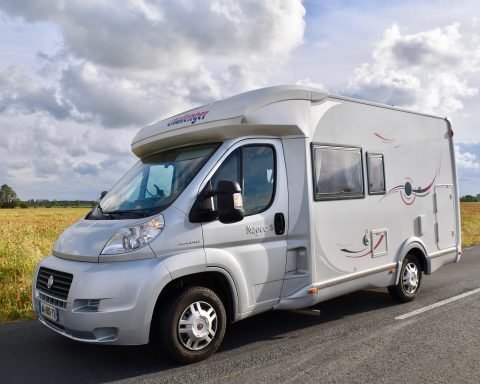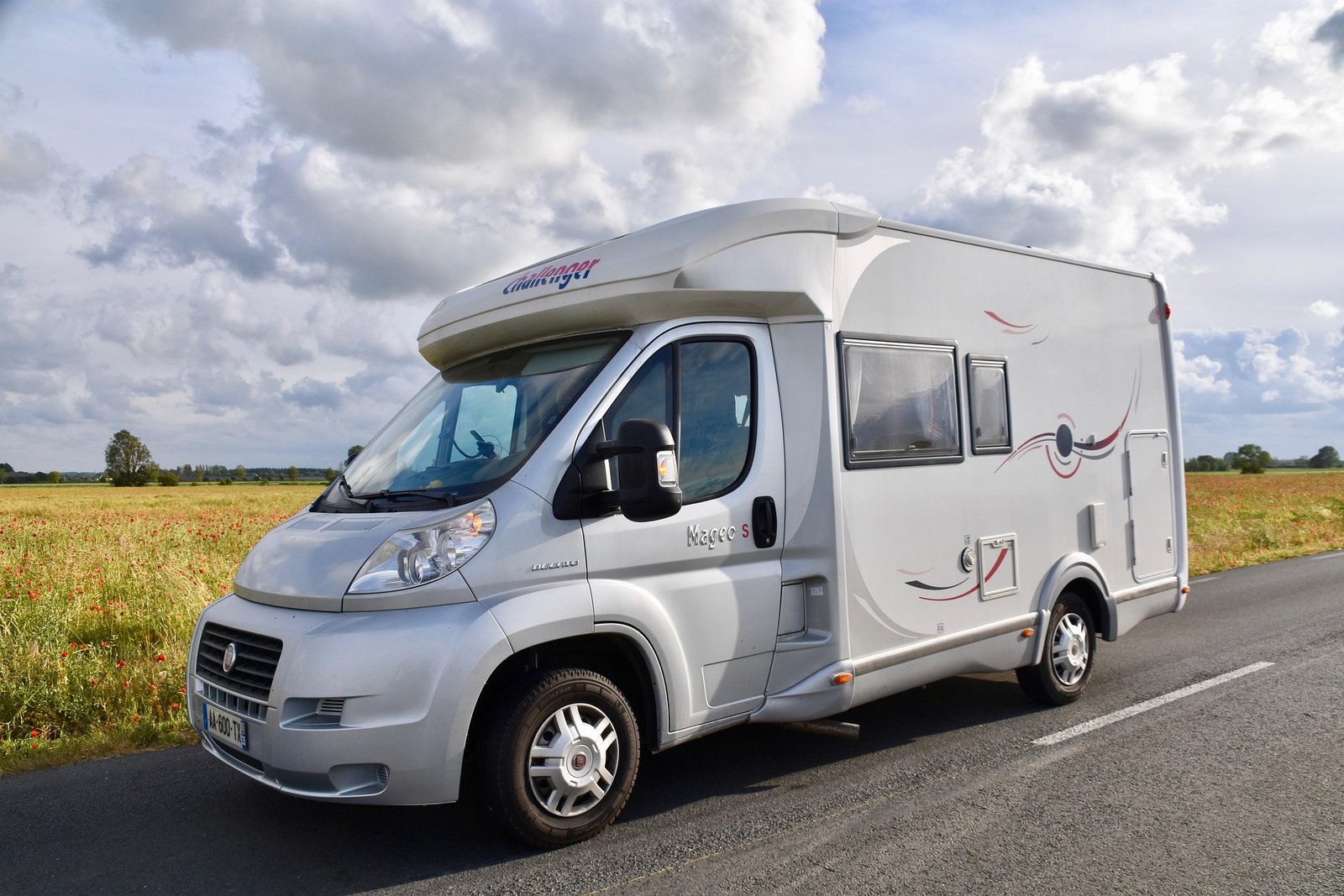

From July 2026, on the territory of the European community, rigid technical prescriptions directly affecting the configuration of residential vans and motorhomes begin to operate. The integration of modern electronic components is called upon to substantially raise the level of protection of drivers and pedestrians on highways, however, this will inevitably lead to a tangible appreciation of the final cost of transport vehicles delivered to consumers.
The beginning of the meteorological summer traditionally marks the peak of tourist activity on the European continent. In the current year, school holidays in a number of federal lands of Germany, including Hesse, Rhineland-Palatinate, and Saar, start at the end of June and will last until the first days of August. Seasonal revival traditionally turns into a high load on key transport nodes: delays are already being recorded in airport terminals, and overcrowding of long-distance railway trains is also being recorded.
Owners of automobile transport and motorhomes in this period also need to prepare for multi-kilometer traffic jams on key autobahns. At the same time, camping lovers will have to face not only logistical difficulties but also a large-scale reform of the rules of technical regulation.
The tightening of the framework directives of the European Union coincides with the period of mass summer vacations. The main changes will enter into force after the control date — July 7. Buyers of new transport vehicles for recreation will have to lay in the budget additional expenses for advanced electronic equipment.
It is worth noting that the new legal rules will affect not only commercial dealers but also numerous enthusiasts engaged in independent conversion of transport vehicles for the needs of camping. The general package of approved measures forms unified safety standards for all countries of the union. The set of obligatory driver assistance systems will directly depend on the gross weight and structural class of a concrete automobile.
Key Changes in the Directives of the European Union for Owners of Motorhomes
According to the provisions of the General Safety Regulation of the European Union (GSR II), the presence of intelligent safety systems becomes a basic requirement for passing the procedure of the first registration of any transport vehicle.
This rule without exceptions extends to passenger cars, light commercial transport, and motorhomes. According to information of profile experts of the online portal Carthago, in the list of obligatory serial equipment now enter an intelligent speed control assistant, an automatic system for recognizing driver fatigue, an interface for connecting a certified alcohol interlock, radar sensors for assistance during reversing, a lane-keeping assistant, an emergency braking system before an obstacle, and modules of continuous tire pressure monitoring.
The modernization of the basic configuration will render an immediate influence on retail prices. Analysts of the automotive industry, to whose data the profile publication Berliner Kurier refers, predict that upon the purchase of a new camper, clients will have to compensate the costs of automakers in the amount of 1 thousand to 3 thousand euros per unit of technique.
In these conditions, independent masters need to display extreme caution when planning schedules of conversion. According to information of the news portal t-online, if the modernization of a commercial van concludes and the process of its registration as a motorhome occurs after July 7, the registration authorities will qualify this action as primary registration in a new class of transport vehicles. Accordingly, the owner will be obliged at his own expense to retro-equip the basic chassis with all expensive electronic assistants for compliance with current standards.
Obligatory Driver Assistance Systems Increase Expenses by an Amount of Up to 3000 Euros — Important Changes for Independent Masters
The introduction of the GSR II regulation demonstrates the consistent aspiration of European regulators toward reducing the accident rate on roads due to forced digitalization of the car fleet. Despite the fact that the financial burden of the reform is completely shifted onto the end consumer, the long-term effect from the introduction of similar systems must express itself in a reduction of the number of severe road-transport accidents during the vacation season. Manufacturers of tourist technique and private workshops will have to adapt their engineering processes to the new requirements in the shortest possible time to avoid legal difficulties during the certification of transport vehicles in the organs of technical supervision.
Sources: Berliner Kurier, t-online

Latest Posts